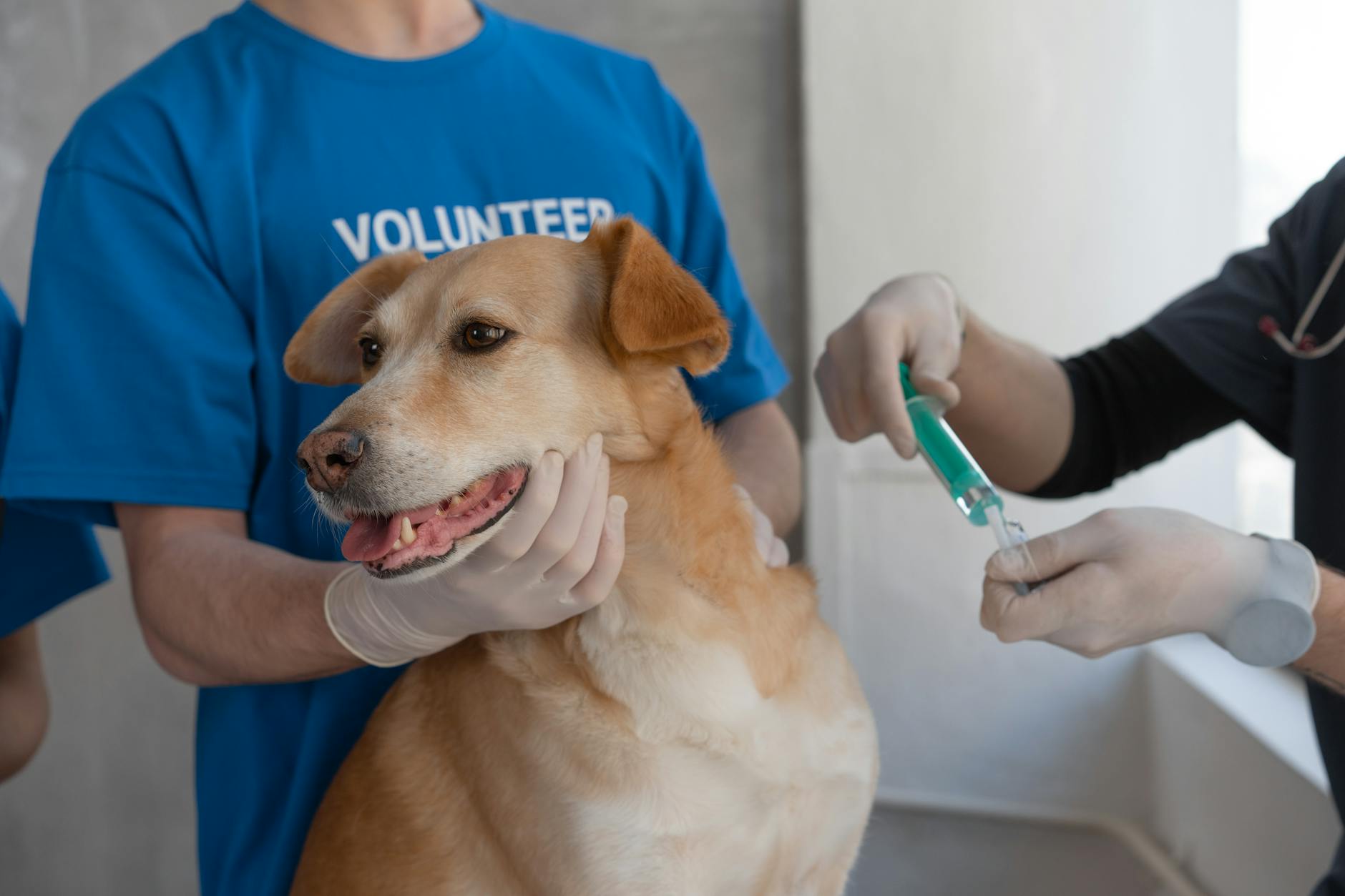
We see the panic in the waiting room at least three times a week. A dog ate something off the counter. The owner is frantically scrolling through conflicting internet forums while the animal sits there wagging its tail.
1. The Deceptive Sweetness of Birch Sugar
You will find this sugar alcohol hidden inside sugar-free gum, baked goods, and even peanut butter. Most articles will tell you chocolate is the deadliest thing in your pantry. That framing misses the point entirely. Xylitol triggers a massive, unnatural insulin release in canines. Blood sugar crashes within minutes. I once had an owner carry in a trembling Golden Retriever, crying, “He only had a tiny bite of my muffin, doc.” She assumed he was just nervous about the car ride. But I took one look at his glassy eyes and the way his heavy head lolled against her forearm. I knew his glucose was tanked before the little machine even beeped. The textbook presentation emphasizes sudden seizures and delayed liver failure. In the busy exam room, it usually just looks like severe drunkenness. The dog stumbles sideways. He might throw up once on the floor. Then he collapses. General practice clinics sometimes miss the early warning signs if the owner forgets to mention the artificial sweetener. They treat it as a standard stomach bug. By the time that dog reaches a toxicology specialist, hepatic necrosis has already begun quietly destroying the liver tissue. We push concentrated dextrose directly into a vein just to keep them conscious. And surviving the initial hypoglycemic shock doesn’t guarantee safety later on. Liver enzymes can easily skyrocket days after the dog seems perfectly fine again.
2. The Unpredictable Renal Threat of Vitis Vinifera
A single raisin can destroy the kidneys of a massive Mastiff. Another dog might eat a handful of grapes and digest them perfectly fine. Why does this happen? We frankly do not fully understand the exact mechanism yet. Recent findings point to tartaric acid. Individual metabolic susceptibility remains a complete mystery. The damage occurs deep in the proximal renal tubules. (I have watched owners feed grapes as treats for years before a sudden, fatal acute kidney injury.) The first obvious sign is usually violent vomiting within twelve hours. Then comes the heavy lethargy. Cortinovis and Caloni’s 2016 review outlines how anuria develops shortly after. That means the dog simply stops producing urine. Once the kidneys shut down entirely, dialysis becomes the only remaining option.
3. Hind Limb Paresis from Macadamia Nuts
Dogs are the only species known to develop toxicosis from these nuts. Eating a handful leads to a strange, temporary paralysis of the back legs. They will literally drag their hindquarters across the floor. A mild fever usually accompanies the weakness. Symptoms peak around twelve hours post-ingestion. They typically resolve within two days without medical intervention.
4. The Dose-Dependent Reality of Cocoa
Dark chocolate contains dangerous levels of theobromine. Dogs process this bitter chemical compound incredibly slowly. It accumulates inside their system, acting as a relentless cardiovascular stimulant. The heart races uncontrollably. Muscle fibers twitch. I have stood over a cold steel table watching a terrier pant so rapidly his chest looked like a vibrating blur. He had eaten a solid block of baking chocolate. The ASPCA database consistently ranks this toxic exposure near the top of emergency calls. We force vomiting quickly if the ingestion is recent. Thick liquid activated charcoal helps bind the remaining toxins before they cross the intestinal wall. You just hope the dog spits up the wrappers too.
5. Oxidative Damage from the Allium Family
Onions and garlic actively destroy canine red blood cells. Thiosulfate compounds overwhelm the fragile antioxidant defenses within the cell membrane. The cells literally burst apart in the bloodstream. This condition is called hemolytic anemia.
It takes days for the clinical signs to appear.
Pale, sticky gums are usually the very first visible clue. A client once argued with me during a tense consultation, stating, “I thought garlic was supposed to be good for their immune system.” I had to physically show her the blood smear under the microscope. The dark Heinz bodies clinging to the jagged edges of the ruptured cells were undeniable. We ordered an emergency blood transfusion that afternoon. The dog barely survived her misguided daily supplement routine.
6. Persin Toxicity in Guacamole
The pit causes massive intestinal blockages. But the actual flesh and skin contain a fungicidal toxin called persin. This chemical induces fatal myocardial necrosis in birds. In dogs, the reaction is usually milder. Vomiting and explosive diarrhea are the primary complaints. The FDA official registry lists this fruit as hazardous. Severity depends entirely on the ingested volume.
7. Respiratory Depression from Ethanol
Dogs lack the liver enzymes to process alcohol. Even a spilled beer licked off the kitchen floor drops their internal body temperature rapidly. Their respiratory rate plummets. Central nervous system depression takes hold within thirty minutes. You will see a sudden loss of coordination followed by severe metabolic acidosis. Intravenous fluids are absolutely mandatory to flush the struggling kidneys. Some owners think a tiny sip of wine is harmless fun. It isn’t. The ethanol crosses the blood-brain barrier almost immediately. This completely suppresses the natural gag reflex. Aspiration pneumonia becomes a deadly secondary threat if the dog vomits while semi-conscious on the rug. Caustic stomach fluid fills the lungs. They essentially drown in their own vomit.
8. Gastric Distension from Unbaked Yeast
A warm canine stomach acts as a perfect biological incubator. The raw dough expands exponentially in the dark. It physically stretches the gastric wall to its breaking point. This extreme pressure cuts off blood supply to the stomach tissue. Fermentation also produces pure alcohol as a toxic byproduct inside the gut. The dog suffers from mechanical obstruction and ethanol poisoning simultaneously. Emergency surgery is sometimes required to remove the expanding, sticky mass before the stomach ruptures. The abdomen becomes tight like a snare drum. The animal will pace the room relentlessly. They are completely unable to find a comfortable resting position. The internal pain is immense. You can hear them whining from the parking lot.
9. Malignant Hyperthermia from Spent Brewing Hops
Homebrewing introduces a rare but lethal household hazard. Ingesting raw or spent hops triggers an uncontrolled, massive spike in canine body temperature. The rectal thermometer can easily climb past 108 degrees Fahrenheit. Internal cellular proteins begin to literally denature at that extreme heat level. The blood physically thickens. Greyhounds and other thin sight hounds seem uniquely susceptible to this bizarre metabolic reaction. Aggressive cooling measures must begin right at home before you even start the car engine. Shoving frozen ice packs deep in the armpits and groin buys you precious minutes. We pack them tightly in soaked towels the second they come through the sliding clinic doors. Time is tissue. The brain simply cooks if you wait.
10. Arrhythmias Induced by Methylxanthines
Used coffee grounds left in the kitchen trash are an irresistible target for hungry scavengers. Caffeine belongs to the exact same chemical class as theobromine. It stimulates the central nervous system with terrifying efficiency. The heart muscle becomes violently hyper-excitable. Premature ventricular contractions disrupt the normal, steady pumping rhythm. I once treated a young Springer Spaniel who ate a forgotten blister pack of diet pills containing pure, concentrated caffeine. The owner was frantic in the lobby. I placed my cold stethoscope against the dog’s ribcage. The rhythm was totally chaotic. It sounded like a snare drum falling down a wooden flight of stairs. We had to administer potent beta-blockers intravenously just to slow the erratic electrical impulses. You cannot simply wait this out in a quiet room. The violent muscular tremors generate so much internal heat that organ failure follows right behind the primary cardiac symptoms. Systemic blood pressure skyrockets. The retinas can physically detach from the sheer vascular pressure inside the eye. You stand there monitoring the electrocardiogram, adjusting the delicate antiarrhythmic drip minute by agonizing minute. The green tracing jumps wildly across the black screen. Sometimes the heavy medications stabilize the rhythm. Sometimes the desperately overworked muscle simply exhausts itself.
Toxicity depends entirely on the exact dosage ingested and the physical weight of your animal. Save the torn packaging of whatever they consumed and drive directly to the nearest emergency veterinary clinic.
Medical Disclaimer: This article is for informational purposes only and does not constitute medical advice. Always consult a qualified healthcare professional before making health decisions.




