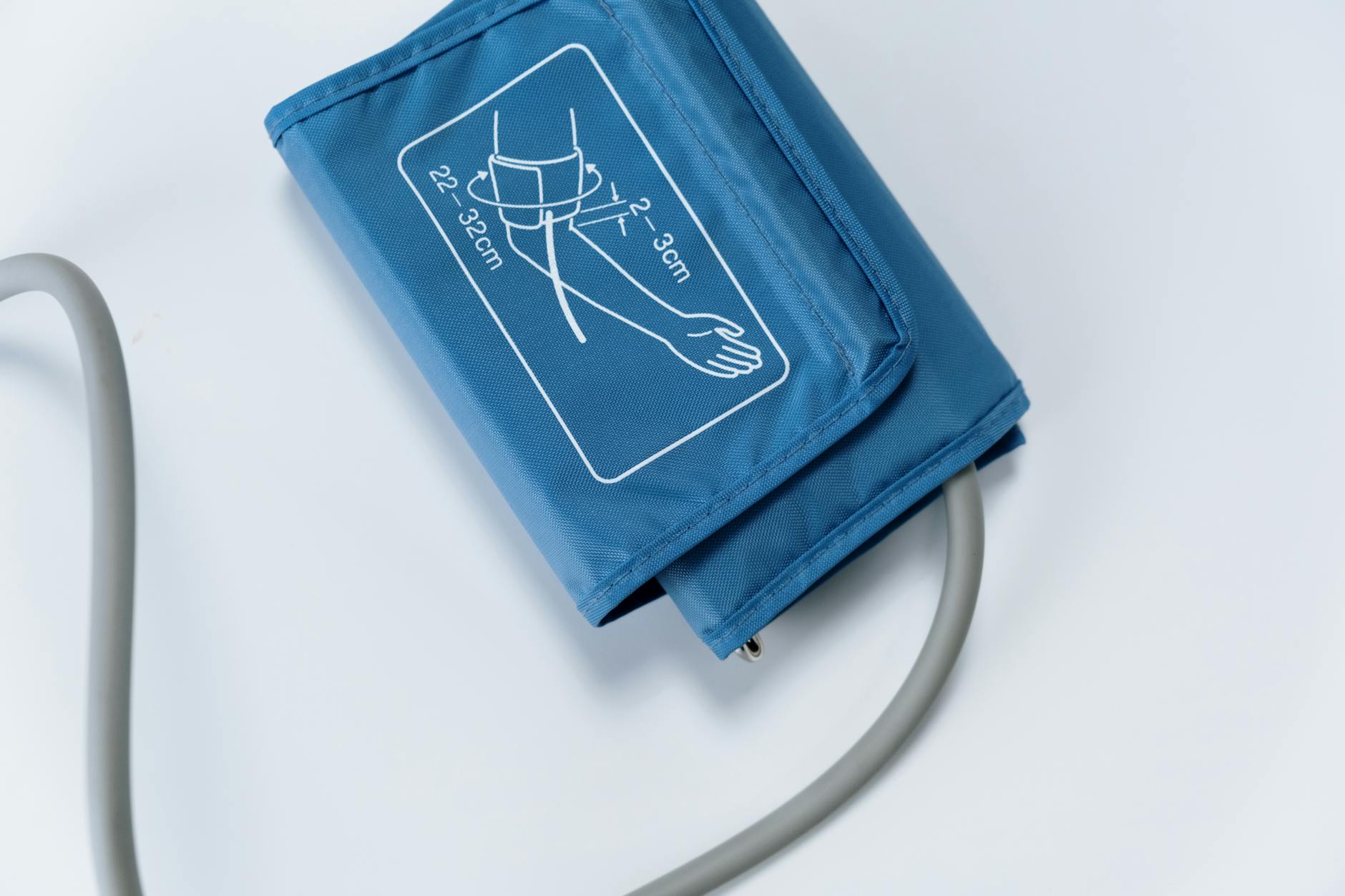
Nearly half of all adults in the United States have high blood pressure, yet many don’t realize it until serious complications arise. Understanding hypertension symptoms can help you catch this condition early and take action before it damages your heart, kidneys, or brain. While high blood pressure is often called the “silent killer,” research shows it isn’t always completely silent.
1. Persistent Headaches
Headaches are one of the most frequently reported hypertension symptoms, especially when blood pressure climbs to dangerously high levels. Research found that headaches occurred in roughly 24.7% of participants whose systolic blood pressure exceeded 180 mmHg. These headaches often feel like a throbbing or pulsing sensation, typically concentrated at the back of the head. They may be worse in the morning and gradually ease throughout the day. Unlike a typical tension headache, a hypertension-related headache can feel unusually intense and persistent. If you experience frequent, unexplained headaches, it’s worth having your blood pressure checked by a healthcare provider sooner rather than later.
2. Dizziness and Lightheadedness
Feeling unsteady or like the room is spinning can be an early warning sign of elevated blood pressure. Studies indicate that dizziness was significantly more prevalent in untreated hypertensives at 19.6%, compared to people with normal blood pressure. This happens because high pressure can affect blood flow to the brain and inner ear. The sensation may come on suddenly or persist as a low-grade wooziness throughout the day. While dizziness has many possible causes, recurring episodes shouldn’t be brushed off. Mention it to your doctor, especially if it pairs with other symptoms on this list.
3. Shortness of Breath
Struggling to catch your breath during normal activities could signal that your heart is working harder than it should. When blood pressure stays elevated, the heart has to pump against greater resistance. Over time, this extra strain can make even light exercise feel surprisingly taxing. Clinical evidence shows that hypertensive individuals reported higher rates of dyspnea compared to people with normal readings. Shortness of breath may also worsen when lying flat, a phenomenon called orthopnea. If you notice breathlessness creeping into your daily routine, a blood pressure screening is a smart first step.
4. Chest Pain or Tightness
A feeling of pressure, tightness, or pain in the chest is one of the more alarming hypertension symptoms. Elevated blood pressure forces the heart muscle to work overtime, which can trigger discomfort in the chest area. Research suggests that chest pain and palpitations occurred at notably higher rates in hypertensive individuals compared to those with normal blood pressure. This symptom should always be taken seriously because it can also indicate a heart attack or other cardiovascular emergency. Don’t wait to see if it passes on its own. Seek medical attention promptly if you experience unexplained chest pain, especially alongside sweating or shortness of breath.
5. Heart Palpitations
Feeling your heart race, pound, or flutter without an obvious cause can be unsettling. These palpitations may happen because the heart is compensating for the increased pressure within your arteries. Some people describe it as a skipped beat or a sudden thumping sensation in the chest or throat. While occasional palpitations are common and usually harmless, frequent episodes deserve investigation. They can indicate that hypertension is already affecting your heart’s rhythm or structure. Keeping a simple log of when palpitations occur and what you were doing can give your doctor valuable information during your next visit.
6. Vision Changes
Blurred vision or sudden visual disturbances may seem unrelated to blood pressure, but the connection is real. The delicate blood vessels in your eyes are highly sensitive to pressure changes. Sustained hypertension can damage these vessels, leading to a condition called hypertensive retinopathy. Symptoms might include blurriness, seeing spots, or even temporary vision loss in severe cases. These changes can develop gradually, making them easy to dismiss at first. Regular eye exams can actually help detect high blood pressure damage early, so don’t skip those appointments with your optometrist.
7. Nosebleeds
While nosebleeds alone aren’t a reliable indicator of high blood pressure, they may occur more frequently when blood pressure reaches very high levels. The thin, fragile blood vessels inside the nose can rupture more easily under increased pressure. Research suggests this symptom is more common during hypertensive crises, when readings spike above 180/120 mmHg. Most occasional nosebleeds are harmless and caused by dry air or minor irritation. However, frequent or hard-to-stop nosebleeds paired with other symptoms warrant a medical evaluation. Keeping a humidifier in your bedroom and staying hydrated may help reduce episodes while you investigate the underlying cause.
8. Hot Flushes and Facial Flushing
A sudden wave of heat or redness spreading across the face and neck can be linked to elevated blood pressure. Research indicates that patients with hypertension commonly reported hot flushes among their symptoms. These episodes may feel similar to menopausal hot flashes, which can lead to misidentification. Stress, alcohol, and spicy foods can trigger flushing in anyone, but frequent episodes without an obvious trigger are worth monitoring. Blood pressure tends to fluctuate throughout the day, and flushing may coincide with temporary spikes. Tracking these episodes alongside home blood pressure readings can help you and your doctor spot meaningful patterns.
9. Mood Changes and Irritability
Feeling unusually irritable, frustrated, or emotionally low might not be just a bad day. Studies have linked hypertension to mood disturbances including low mood, frustration, and heightened irritability. The relationship works both ways, as chronic stress can raise blood pressure, and living with uncontrolled hypertension can affect emotional well-being. Sleep disruption from high blood pressure can also amplify mood swings. These emotional shifts are easy to attribute to work stress or fatigue, so they often go unexamined. If mood changes feel persistent or out of character, consider checking your blood pressure as part of a broader health assessment.
10. Vertigo
Vertigo goes beyond simple dizziness. It creates a distinct sensation that you or your surroundings are spinning or tilting. Research suggests that hypertensive individuals reported vertigo at higher rates than people with normal blood pressure. This symptom can disrupt balance, increase the risk of falls, and make daily tasks feel overwhelming. Vertigo related to hypertension may be caused by reduced blood flow to the vestibular system in the inner ear. While vertigo has many potential causes, from inner ear infections to medication side effects, persistent episodes should prompt a comprehensive evaluation that includes blood pressure measurement.
Recognizing these hypertension symptoms early can make a meaningful difference in protecting your long-term health. Many of these warning signs overlap with other conditions, which is exactly why regular blood pressure screenings are so important. Talk to your healthcare provider about establishing a monitoring routine, especially if any of these symptoms feel familiar.
Medical Disclaimer: This article is for informational purposes only and does not constitute medical advice. Always consult a qualified healthcare professional before making health decisions.




