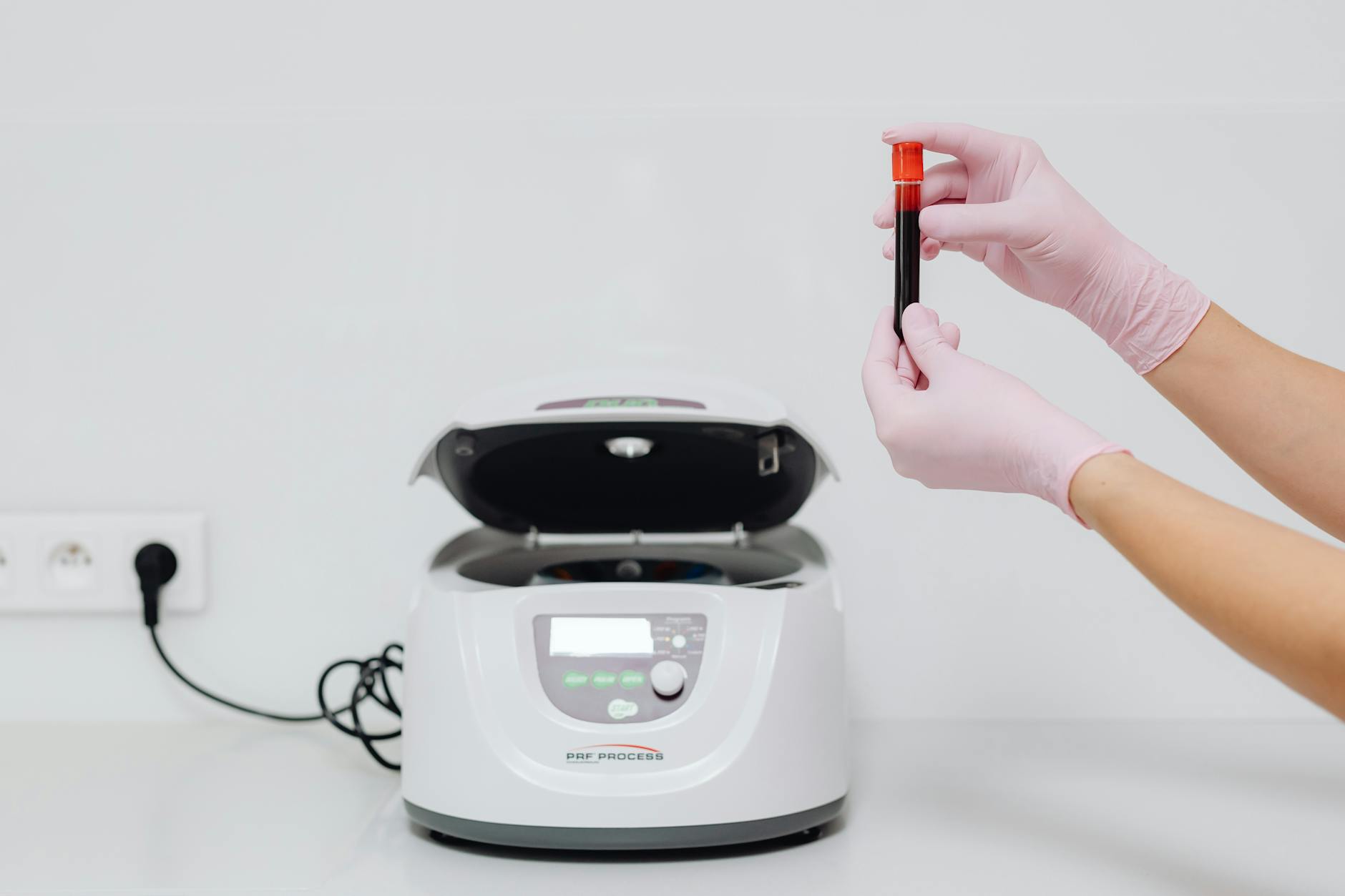
Millions of liver function tests are ordered every year, making them among the most routine blood panels in modern medicine. Whether your doctor suspects a liver issue or is simply monitoring your overall health, understanding what each marker means can help you take an active role in your care. Here is a breakdown of the 10 most common markers included in a standard liver function test panel.
1. Alanine Aminotransferase (ALT)
ALT is one of the most well-known markers on a liver function test. This enzyme lives primarily inside liver cells. When those cells become damaged or inflamed, ALT leaks into the bloodstream. Elevated ALT levels often signal conditions like hepatitis, fatty liver disease, or medication-related liver injury. According to the NIH, ALT is considered one of the most specific indicators of hepatocellular damage because it is found in much higher concentrations in the liver than in other tissues. Normal ranges vary by laboratory, but values consistently above the reference range warrant further investigation. If your ALT is elevated, your doctor may recommend repeat testing or imaging to determine the underlying cause.
2. Aspartate Aminotransferase (AST)
AST is another enzyme that rises when liver cells are under stress. Unlike ALT, AST is also found in the heart, muscles, and kidneys. This means elevated AST levels are not always specific to the liver. Doctors often compare AST and ALT levels together to narrow down a diagnosis. A high AST-to-ALT ratio may suggest alcohol-related liver disease, while a lower ratio can point toward non-alcoholic conditions. Research published in PubMed suggests that reflex AST-to-ALT testing in clinical practice may actually increase the detection of cirrhosis in the general population. Ask your healthcare provider about the ratio if both markers appear abnormal on your results.
3. Alkaline Phosphatase (ALP)
ALP is an enzyme found in the liver, bones, kidneys, and digestive tract. When ALP levels are elevated, it often points to problems with bile flow rather than direct liver cell damage. Conditions like bile duct obstruction, gallstones, or certain liver tumors can drive ALP levels upward. However, elevated ALP is not always alarming. Growing children and pregnant women naturally have higher ALP levels due to bone growth and placental activity. Your doctor may order additional tests like GGT to confirm whether the elevation is liver-related. Context always matters when interpreting this particular marker.
4. Gamma-Glutamyl Transferase (GGT)
GGT is a liver enzyme that plays a supportive role in diagnosing biliary issues. It often rises alongside ALP, and doctors use it to confirm whether an ALP elevation originates from the liver or from bone. Heavy alcohol use is one of the most common reasons for elevated GGT levels, making it a useful screening tool. Certain medications, including anticonvulsants and some antibiotics, can also raise GGT. While GGT alone does not diagnose a specific condition, it adds valuable context to the bigger picture. If your GGT is high, consider discussing your alcohol intake and medication history with your doctor for a clearer interpretation.
5. Total Bilirubin
Bilirubin is the yellowish pigment produced when red blood cells break down naturally. The liver processes bilirubin and sends it into bile for elimination. When the liver is not functioning properly, bilirubin can accumulate in the blood and cause jaundice. High total bilirubin levels may indicate liver disease, bile duct blockages, or conditions that cause excessive red blood cell destruction. Mild elevations sometimes result from a harmless genetic condition called Gilbert syndrome, which affects roughly five to ten percent of people. Your doctor will evaluate bilirubin alongside other markers to determine whether further workup is necessary.
6. Direct (Conjugated) Bilirubin
Direct bilirubin is the form that has already been processed by the liver. When direct bilirubin is specifically elevated, it often suggests a problem with bile drainage rather than red blood cell breakdown. Gallstones lodged in the bile duct, pancreatic tumors, or intrahepatic cholestasis can all cause this pattern. Measuring direct bilirubin helps doctors distinguish between different types of jaundice. A high direct-to-total bilirubin ratio typically points to an obstruction somewhere in the biliary system. This distinction can guide your healthcare team toward the right imaging studies and treatments more efficiently.
7. Albumin
Albumin is a protein made exclusively by the liver. It plays a critical role in maintaining blood volume and transporting hormones, vitamins, and medications throughout the body. Low albumin levels can signal chronic liver disease, because the liver gradually loses its ability to produce this essential protein. Conditions like cirrhosis, advanced hepatitis, and liver failure often present with decreased albumin. However, malnutrition, kidney disease, and chronic inflammation can also lower albumin levels. Because albumin has a long half-life of about 20 days, it reflects liver function over weeks rather than hours. Your doctor may use it alongside other markers to assess long-term hepatic health.
8. Total Protein
A total protein measurement captures both albumin and globulins in the blood. The liver produces most of these proteins, so significant changes can reflect hepatic dysfunction. Low total protein may suggest chronic liver disease or malnutrition, while high levels can sometimes indicate chronic infections or certain blood cancers. Doctors rarely interpret total protein in isolation. Instead, they look at the albumin-to-globulin ratio for additional clues. A skewed ratio may prompt further testing, including electrophoresis to separate out individual protein types. Think of total protein as a broad screening marker that helps your doctor decide which deeper tests to order next.
9. Prothrombin Time (PT) and INR
The liver manufactures most of the clotting factors that keep you from bleeding excessively. Prothrombin time measures how long it takes your blood to clot. When the liver is severely impaired, clotting factor production drops, and PT becomes prolonged. The INR is a standardized version of PT that allows consistent comparison across laboratories. Elevated PT and INR values can indicate acute liver failure, advanced cirrhosis, or vitamin K deficiency. This marker is particularly important in emergency settings. If your PT is abnormal on a liver function test, your doctor may assess liver synthetic function more closely with additional workup.
10. Limitations of Standard Liver Function Tests
Understanding what a liver function test cannot tell you is just as important as knowing what it can. Research published in PubMed Central demonstrates that roughly 37 percent of patients with confirmed cirrhosis have completely normal liver function test results. This means standard LFTs can miss significant liver disease, especially in its early or compensated stages. Emerging tools like the LiMAx breath test, reviewed in a separate PubMed Central study, may offer a more accurate picture of actual liver functional capacity. If you have risk factors for liver disease, talk to your doctor about whether additional screening beyond routine bloodwork might be appropriate for you.
A liver function test is one of the most informative blood panels available, but it tells only part of the story. Understanding each marker empowers you to have more meaningful conversations with your healthcare provider. If any of your results fall outside the normal range, schedule a follow-up appointment to discuss next steps and whether additional testing is warranted.
Medical Disclaimer: This article is for informational purposes only and does not constitute medical advice. Always consult a qualified healthcare professional before making health decisions.




