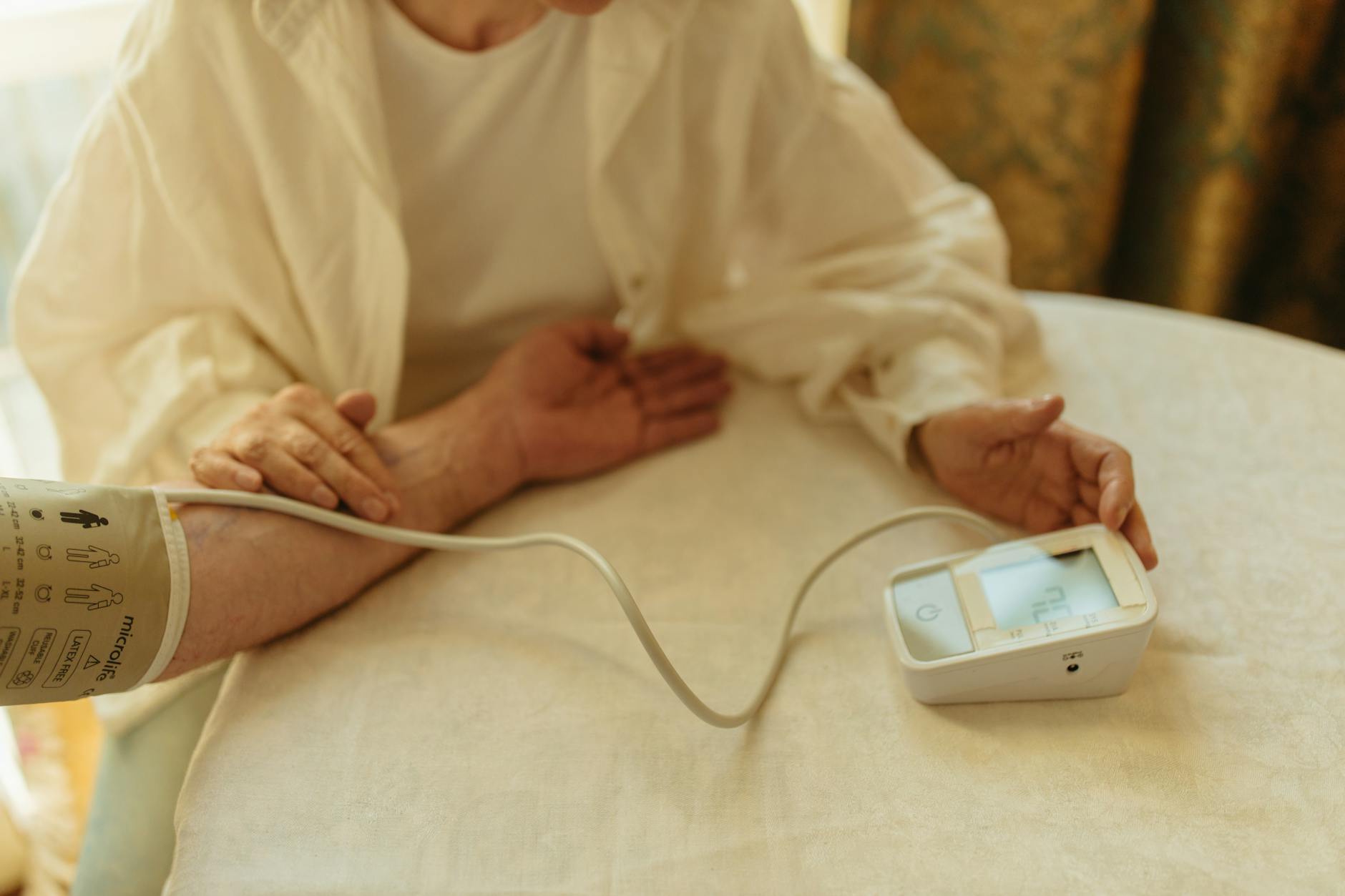
Low blood pressure, or hypotension, affects millions of people and often flies under the radar compared to its high-pressure counterpart. While a reading below 90/60 mmHg isn’t always dangerous, it can trigger symptoms that interfere with your energy, focus, and ability to function safely. Recognizing low blood pressure symptoms early can help you take action before a minor inconvenience becomes a serious health concern.
1. Dizziness
Dizziness is one of the most frequently reported low blood pressure symptoms. It often feels like the room is tilting or spinning, especially when you change positions quickly. This happens because reduced blood flow means your brain temporarily receives less oxygen than it needs. According to the Mayo Clinic, dizziness and lightheadedness are hallmark signs of hypotension. The sensation can range from mild unsteadiness to a more intense feeling that throws off your balance. If you notice recurring dizziness, especially after standing up from a seated or lying position, tracking your blood pressure at home can give you useful data to share with your doctor.
2. Fainting or Near-Fainting
Fainting, known medically as syncope, represents a more severe response to a sudden drop in blood pressure. When your brain doesn’t receive enough blood flow, it essentially shuts down temporarily to protect itself. Some people experience a warning phase where their vision narrows and sounds become distant before they lose consciousness. Others black out without any advance warning at all. Near-fainting episodes, where you feel like you might pass out but don’t, are equally important to note. Research suggests that recurrent fainting spells deserve prompt medical evaluation, as they can sometimes signal underlying heart or nervous system issues.
3. Blurred or Fading Vision
Your eyes are incredibly sensitive to changes in blood flow. When blood pressure drops, the delicate vessels supplying your retinas may not deliver enough oxygen-rich blood. This can cause your vision to blur, fade around the edges, or temporarily go dark. The Mayo Clinic notes that blurred vision is a common feature of orthostatic hypotension, the type triggered by standing up. These visual disturbances are usually brief, lasting only seconds to a minute. However, if they happen frequently or last longer, it is important to get your eyes and cardiovascular health checked.
4. Fatigue and Weakness
Persistent tiredness that doesn’t improve with sleep may be linked to chronically low blood pressure. When your circulatory system can’t push blood efficiently to your muscles and organs, your body works harder just to perform basic tasks. This ongoing effort leaves many people feeling drained well before the day is over. Weakness in the limbs often accompanies this fatigue, making exercise or even climbing stairs feel surprisingly difficult. Clinical evidence shows that fatigue from hypotension differs from ordinary tiredness because rest alone doesn’t fully resolve it. Staying well hydrated and eating small, frequent meals may help maintain steadier blood pressure throughout the day.
5. Difficulty Concentrating
Your brain consumes roughly twenty percent of your body’s oxygen supply. When blood pressure is too low, that supply gets reduced, and cognitive function takes a noticeable hit. You might struggle to focus during conversations, lose your train of thought mid-sentence, or find it harder to make decisions. Some people describe it as a mental fog that makes even simple tasks feel overwhelming. Studies indicate that sustained low blood pressure can affect memory and processing speed over time. If brain fog becomes a regular companion, checking your blood pressure could reveal a connection worth discussing with your healthcare provider.
6. Nausea and Upset Stomach
Gastrointestinal symptoms are an often-overlooked sign of low blood pressure. When blood flow is redirected away from the digestive system to protect vital organs, nausea and general stomach discomfort can follow. Some people also experience a queasy, unsettled feeling after eating large meals, which diverts even more blood to the gut. The Mayo Clinic lists upset stomach among recognized low blood pressure symptoms. Eating smaller portions more frequently can reduce the digestive burden and help prevent post-meal blood pressure dips. If nausea is persistent and unexplained, it is worth ruling out hypotension as a contributing factor.
7. Cold, Clammy, or Pale Skin
When blood pressure drops significantly, your body redirects blood away from the skin and extremities toward your heart and brain. This survival mechanism often leaves your skin feeling cold and clammy to the touch. You might also notice a pale or slightly bluish tint, particularly in your fingers, toes, and lips. These changes happen because surface blood vessels constrict to conserve circulation for critical organs. While occasional cold hands are perfectly normal, consistently cold and pale skin paired with other symptoms on this list may point to a blood pressure issue. Layering clothing and keeping warm can help, but addressing the root cause matters more.
8. Rapid or Shallow Breathing
Your body has built-in alarm systems, and breathing rate is one of them. When blood pressure falls, your system may speed up respiration to compensate for decreased oxygen delivery to tissues. You might notice yourself breathing faster than usual without any physical exertion. Some people feel like they can’t quite catch their breath or that each breath feels shallow and unsatisfying. This compensatory mechanism is your body’s way of trying to boost oxygen levels quickly. While occasional breathlessness has many causes, pairing it with dizziness or fatigue warrants a closer look at your cardiovascular health.
9. Increased Thirst
Dehydration is one of the most common triggers for low blood pressure, and your body signals its need for fluids through intensified thirst. When blood volume drops due to inadequate fluid intake, blood pressure naturally follows. This creates a cycle where low pressure triggers thirst, but ignoring that thirst allows pressure to fall further. Research suggests that even mild dehydration can cause measurable drops in blood pressure in some individuals. Athletes, older adults, and people taking certain medications are especially vulnerable. Keeping a water bottle nearby and aiming for consistent hydration throughout the day is one of the simplest ways to support healthy blood pressure levels.
10. Headaches
Headaches tied to low blood pressure often feel different from tension or migraine headaches. They tend to be dull and persistent rather than sharp or throbbing. These headaches typically worsen when you stand up and may ease when you lie down. The connection is straightforward: reduced blood flow means less oxygen reaching brain tissue, which can trigger pain. The Mayo Clinic identifies headaches as a recognized symptom of orthostatic hypotension. Over-the-counter pain relievers might mask the discomfort, but they won’t fix the underlying pressure issue. If positional headaches become a pattern, a blood pressure check is a smart first step.
Low blood pressure symptoms can range from mildly annoying to genuinely dangerous, and recognizing them early gives you an advantage. If you experience several of these signs regularly, schedule a visit with your doctor to get your blood pressure checked and discuss possible causes. Simple changes like staying hydrated, adjusting how quickly you stand, and monitoring your readings at home can make a meaningful difference.
Medical Disclaimer: This article is for informational purposes only and does not constitute medical advice. Always consult a qualified healthcare professional before making health decisions.




