Millions of people follow a low fiber diet each year, often on the advice of their doctor before a medical procedure or during a digestive flare-up. Conditions like Crohn’s disease, diverticulitis, irritable bowel syndrome, and post-surgical recovery can all call for a temporary shift toward gentler eating. Understanding which low fiber foods are safe and satisfying can make these dietary transitions far less stressful.
1. White Rice
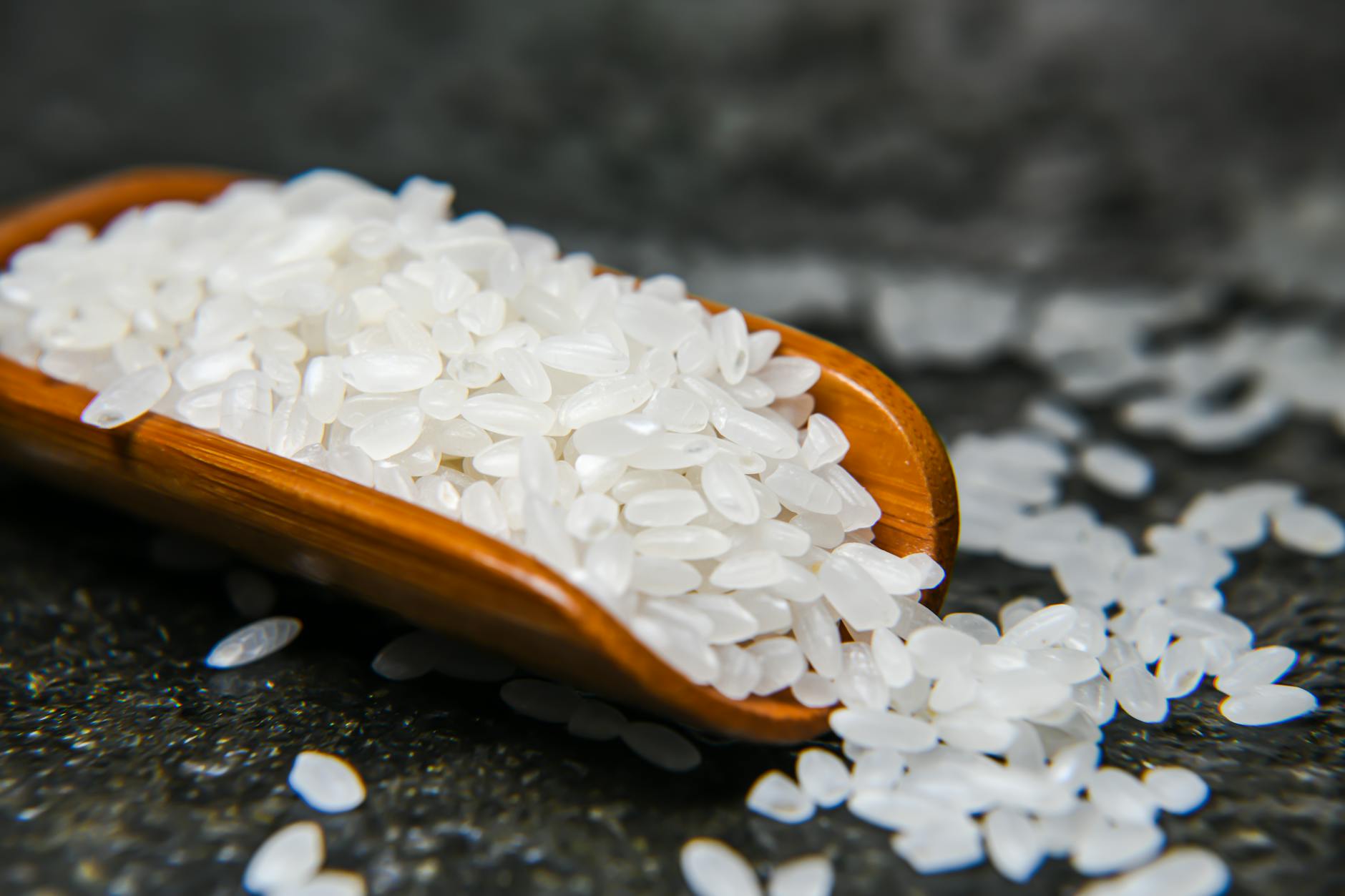
White rice is one of the most widely recommended low fiber foods around the world. Unlike brown rice, white rice has been milled and polished, stripping away the bran and germ that contain most of the fiber. A single cup of cooked white rice contains less than one gram of fiber, making it extremely easy to digest. It also serves as a versatile base for meals, pairing well with lean proteins and well-cooked vegetables. Research suggests that reducing dietary fiber intake can significantly improve symptoms like abdominal pain and bloating in certain patients. If you need a comforting, filling staple during a low fiber phase, white rice is an excellent starting point.
2. White Bread and Refined Pasta
Refined grain products like white bread, plain bagels, and standard pasta are low fiber staples many people already enjoy. The refining process removes the fibrous outer layers of the grain. This leaves a softer, easier-to-digest product with roughly one gram of fiber or less per serving. Choose varieties without added seeds, nuts, or whole grains for the gentlest option. Plain white toast with a thin spread of butter or a simple plate of pasta with a mild sauce can be both satisfying and stomach-friendly during a restricted diet.
3. Eggs
Eggs contain zero fiber, which makes them a naturally perfect fit for a low fiber eating plan. They are also packed with high-quality protein, B vitamins, and essential amino acids. Scrambled, poached, or soft-boiled preparations tend to be the easiest on the stomach. Eggs are incredibly versatile and quick to prepare, which helps when cooking energy is low. For a simple, nourishing meal, pair eggs with white toast and a small portion of well-cooked vegetables for balanced nutrition without digestive stress.
4. Tender, Well-Cooked Chicken or Turkey
Lean poultry like chicken breast and turkey is naturally fiber-free and gentle on the digestive tract. Baking, steaming, or poaching these proteins keeps them tender and easy to chew. Avoid frying or using heavy spice rubs, as these can irritate a sensitive gut. Poultry is also rich in protein, which supports tissue repair and is especially important after surgery or during illness. A simple approach is to shred or thinly slice cooked chicken and serve it with white rice or refined pasta for a complete, low fiber meal.
5. Canned or Well-Cooked Fruits Without Skin
Certain fruits become much lower in fiber when they are peeled, cooked, or canned in juice. Applesauce, canned peaches, and ripe bananas are popular choices. These options provide natural sweetness, hydration, and some essential vitamins without the roughage of raw fruit skins and seeds. Studies indicate that a low fiber diet can improve symptoms in patients with IBS by reducing gas and discomfort. Stick to soft, skinless varieties and avoid dried fruits, which are concentrated sources of fiber. Canned fruit packed in its own juice rather than heavy syrup is the healthiest pick.
6. White Fish
Mild white fish such as tilapia, cod, and sole are naturally free of fiber and low in fat. This combination makes them some of the easiest proteins for the body to break down. Baking or steaming fish preserves its delicate texture and avoids adding unnecessary grease. White fish also provides omega-3 fatty acids and lean protein that support overall health during recovery periods. Season simply with a small amount of salt, lemon juice, or mild herbs. Pair it with a low fiber side like mashed potatoes for a balanced, comforting dinner.
7. Potatoes Without Skin
Peeled potatoes are a comforting and filling low fiber food that most people tolerate well. The skin is where the majority of a potato’s fiber lives, so removing it makes a significant difference. Mashed, boiled, or baked and scooped from the skin, potatoes provide potassium, vitamin C, and easy-to-digest carbohydrates. Avoid adding high-fat toppings like sour cream or heavy cheese during a flare-up. A simple preparation with a small pat of butter or a drizzle of broth keeps this side dish gentle and nourishing.
8. Dairy Products
Most dairy products, including milk, yogurt, and mild cheeses, contain no dietary fiber at all. They can be excellent sources of calcium, protein, and probiotics during a restricted diet. Plain yogurt in particular may support gut health with beneficial bacteria. However, people who are lactose intolerant should proceed with caution, as dairy can worsen bloating and cramping. If you tolerate dairy well, consider smooth cottage cheese or a glass of milk as a simple snack. Avoid varieties with added fruit pieces, granola, or nuts that would increase fiber content.
9. Refined Cereals and Crackers
Simple cereals like cornflakes, puffed rice cereal, and plain saltine crackers are convenient low fiber foods. They are easy to keep on hand and require little to no preparation. These products work well as quick snacks or light meals when appetite is low. Check nutrition labels carefully, though. Many cereals marketed as healthy are fortified with added fiber or contain whole grains. Look for products listing less than one gram of fiber per serving. Research also suggests that low fiber diets containing less than 10 grams per day may help manage symptoms like diarrhea and gas in post-surgical patients.
10. Broth-Based Soups With Soft Ingredients
A warm bowl of broth-based soup made with peeled vegetables, white rice or noodles, and tender meat can be deeply soothing. Broth itself is fiber-free and provides hydration and electrolytes. The key is choosing soft, well-cooked ingredients and straining out any fibrous pieces. Avoid soups loaded with beans, lentils, or raw vegetable chunks. Homemade versions give you the most control over ingredients and fiber levels. Chicken noodle soup with refined pasta and skinless potato cubes is a classic, gentle option that provides comfort and nutrition in every spoonful.
Low fiber foods play an important role in managing digestive symptoms and supporting recovery when your body needs a break from roughage. The key is choosing nutrient-dense options within the low fiber category so you still fuel your body well. Talk to your doctor or a registered dietitian about how long to follow a low fiber plan and when it is safe to gradually reintroduce higher fiber choices.
Medical Disclaimer: This article is for informational purposes only and does not constitute medical advice. Always consult a qualified healthcare professional before making health decisions.




