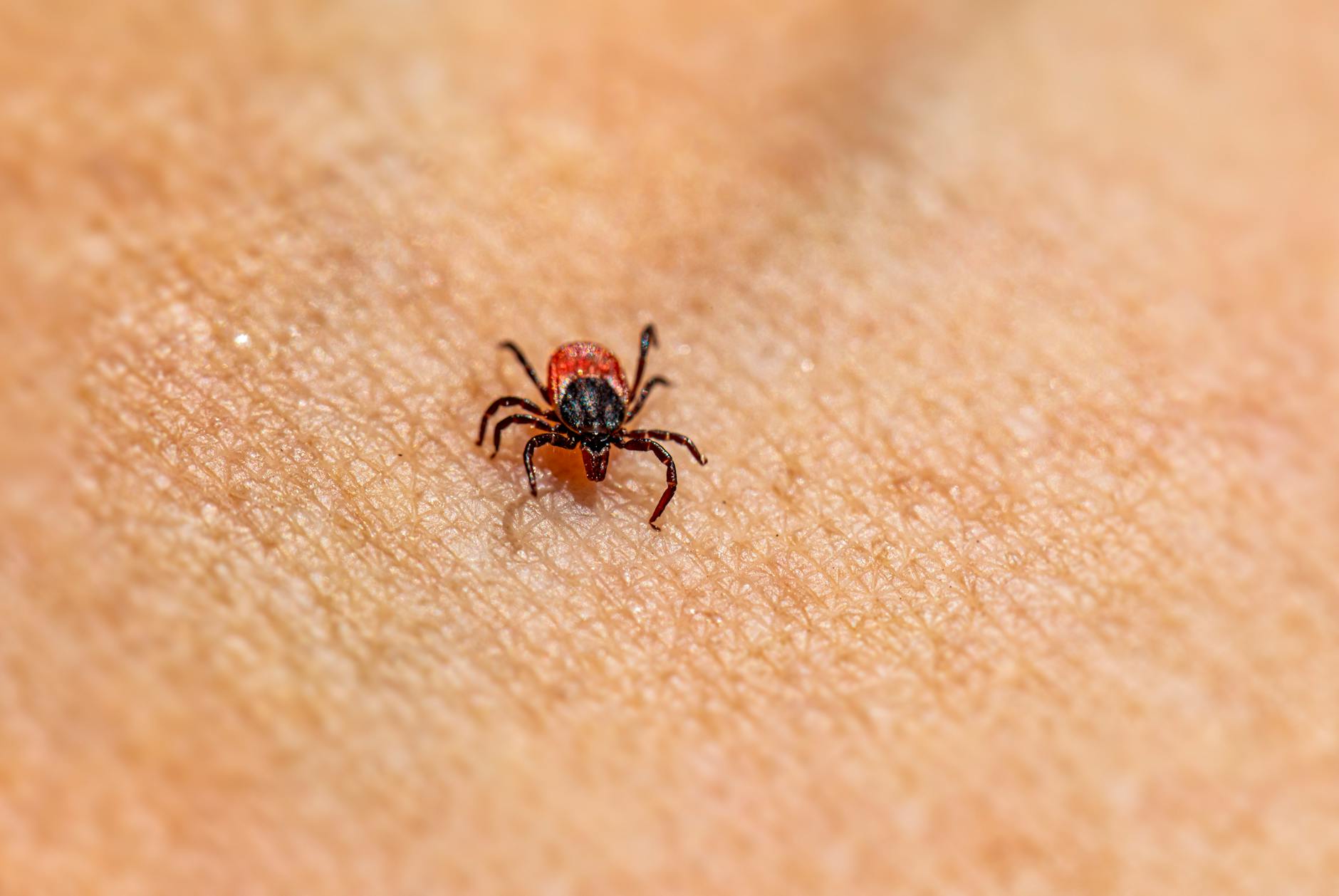
Lyme disease is the most common tick-borne illness in the United States, affecting an estimated 476,000 people each year according to CDC data. Recognizing lyme disease symptoms early can make a significant difference in treatment outcomes and long-term health. The signs can range from obvious skin changes to subtle neurological shifts, so knowing what to watch for is essential.
1. Erythema Migrans (Bull’s-Eye Rash)
The hallmark sign of Lyme disease is a distinctive expanding rash called erythema migrans. It often appears at the site of the tick bite within 3 to 30 days. According to NIH/NCBI Bookshelf, this rash occurs in roughly 70 to 80 percent of infected individuals. It may look like a red bull’s-eye target, though it can also appear as a uniformly red oval. The rash typically expands over several days and can reach 12 inches across. It usually feels warm to the touch but is rarely itchy or painful. If you notice an unusual expanding rash after spending time outdoors, see a doctor promptly.
2. Persistent Fatigue
Crushing fatigue is one of the earliest and most common lyme disease symptoms people report. This is not ordinary tiredness from a busy day. It feels more like a deep, unrelenting exhaustion that sleep does not resolve. The fatigue may come on suddenly and interfere with daily activities like work and household tasks. Research suggests that the body’s inflammatory response to the Borrelia burgdorferi bacteria drives this overwhelming tiredness. If you experience unexplained fatigue, especially after a possible tick exposure, it is worth discussing with your healthcare provider sooner rather than later.
3. Fever and Chills
Many people with early Lyme disease develop a low-grade fever, often hovering between 99 and 101 degrees Fahrenheit. Chills frequently accompany the fever and can make you feel like you are coming down with the flu. As noted in a PubMed review, the typical summer-onset presentation includes flu-like symptoms alongside the characteristic rash. These symptoms may come and go in waves over several days. Because fever and chills overlap with so many other illnesses, they are easy to dismiss. Pay close attention if these symptoms appear during or after tick season.
4. Headaches and Neck Stiffness
Frequent headaches paired with a stiff neck can signal that Lyme disease is beginning to affect the nervous system. These headaches may feel different from typical tension headaches, often presenting as a persistent, dull pressure. Neck stiffness can range from mild discomfort to significant difficulty turning the head. In the early disseminated stage of Lyme disease, these neurological symptoms may indicate the bacteria are spreading beyond the initial bite site. Over-the-counter pain relievers might offer temporary relief but will not address the underlying infection. Seek medical evaluation if headaches and stiffness appear alongside other symptoms on this list.
5. Muscle and Joint Pain
Widespread muscle aches and joint pain are telltale lyme disease symptoms that often emerge in the early weeks of infection. The pain tends to migrate, affecting one joint or muscle group one day and a different one the next. Knees are the most commonly affected joints, though shoulders, elbows, and wrists can also be involved. According to NIH/PMC, arthralgia is a well-documented feature of both early and late-stage Lyme disease. The shifting nature of this pain distinguishes it from conditions like osteoarthritis. If you notice unexplained migratory joint pain, especially with swelling, bring it up with your doctor.
6. Swollen Lymph Nodes
Your lymph nodes serve as part of the body’s immune surveillance system. When Lyme bacteria enter the bloodstream, nearby lymph nodes often swell as they mount a defense. You might notice tender lumps near the tick bite site, commonly in the neck, groin, or armpits. The swelling is usually mild and may feel like small, rubbery bumps under the skin. This symptom typically appears in the early localized stage alongside the rash and fever. While swollen lymph nodes alone do not confirm Lyme disease, they add an important piece to the diagnostic puzzle when combined with other signs.
7. Facial Palsy (Bell’s Palsy)
One of the more alarming lyme disease symptoms is sudden drooping or weakness on one or both sides of the face. This condition, known as Bell’s palsy, results from inflammation of the cranial nerves. Clinical evidence from NIH/PMC shows that cranial nerve palsies are a recognized complication of early disseminated Lyme disease. You may struggle to close one eye, smile evenly, or control facial muscles. The onset is often rapid, developing over hours to days. Facial palsy related to Lyme disease generally responds well to antibiotic treatment when caught early, so seek emergency evaluation if you experience sudden facial weakness.
8. Heart Palpitations
Lyme disease can affect the heart, leading to a condition called Lyme carditis. This happens when bacteria enter heart tissue and disrupt the electrical signals that control heartbeat rhythm. You might feel your heart skipping beats, racing, or fluttering without any obvious trigger. Lightheadedness, shortness of breath, and chest discomfort may accompany these palpitations. Studies indicate that Lyme carditis occurs in a small percentage of untreated cases, but it can be serious. If you experience unexplained heart rhythm changes during tick season, do not wait to consult a healthcare professional.
9. Cognitive Difficulties (Brain Fog)
Many people with Lyme disease describe a frustrating mental haze that makes concentration and memory feel unreliable. This brain fog can manifest as trouble finding words, difficulty following conversations, or forgetting simple tasks. It is more than occasional forgetfulness. The cognitive difficulties may worsen over weeks if the infection goes untreated. Research suggests that inflammatory molecules triggered by the infection can interfere with normal brain function. These cognitive symptoms sometimes persist even after treatment, a phenomenon associated with post-treatment Lyme disease syndrome. Keeping a symptom journal can help your doctor understand the timeline and severity of your cognitive changes.
10. Numbness and Tingling
Shooting pains, numbness, or tingling sensations in the hands and feet can indicate nerve involvement in Lyme disease. This symptom, called peripheral neuropathy, occurs when the infection triggers inflammation around nerve fibers. The sensations may feel like pins and needles, burning, or electric shocks that travel along a limb. These nerve-related symptoms typically appear in the early disseminated or late stage of the disease. They can affect one side of the body more than the other and may interfere with grip strength or balance. Early antibiotic treatment offers the best chance of resolving nerve symptoms, so report any unusual tingling to your doctor promptly.
Lyme disease symptoms can range from a distinctive rash to subtle neurological changes, and they often overlap with other conditions. Recognizing these ten signs early gives you the best opportunity to seek timely diagnosis and treatment. If you have spent time in areas where ticks are common and notice any combination of these symptoms, schedule an appointment with your healthcare provider as soon as possible.
Medical Disclaimer: This article is for informational purposes only and does not constitute medical advice. Always consult a qualified healthcare professional before making health decisions.




