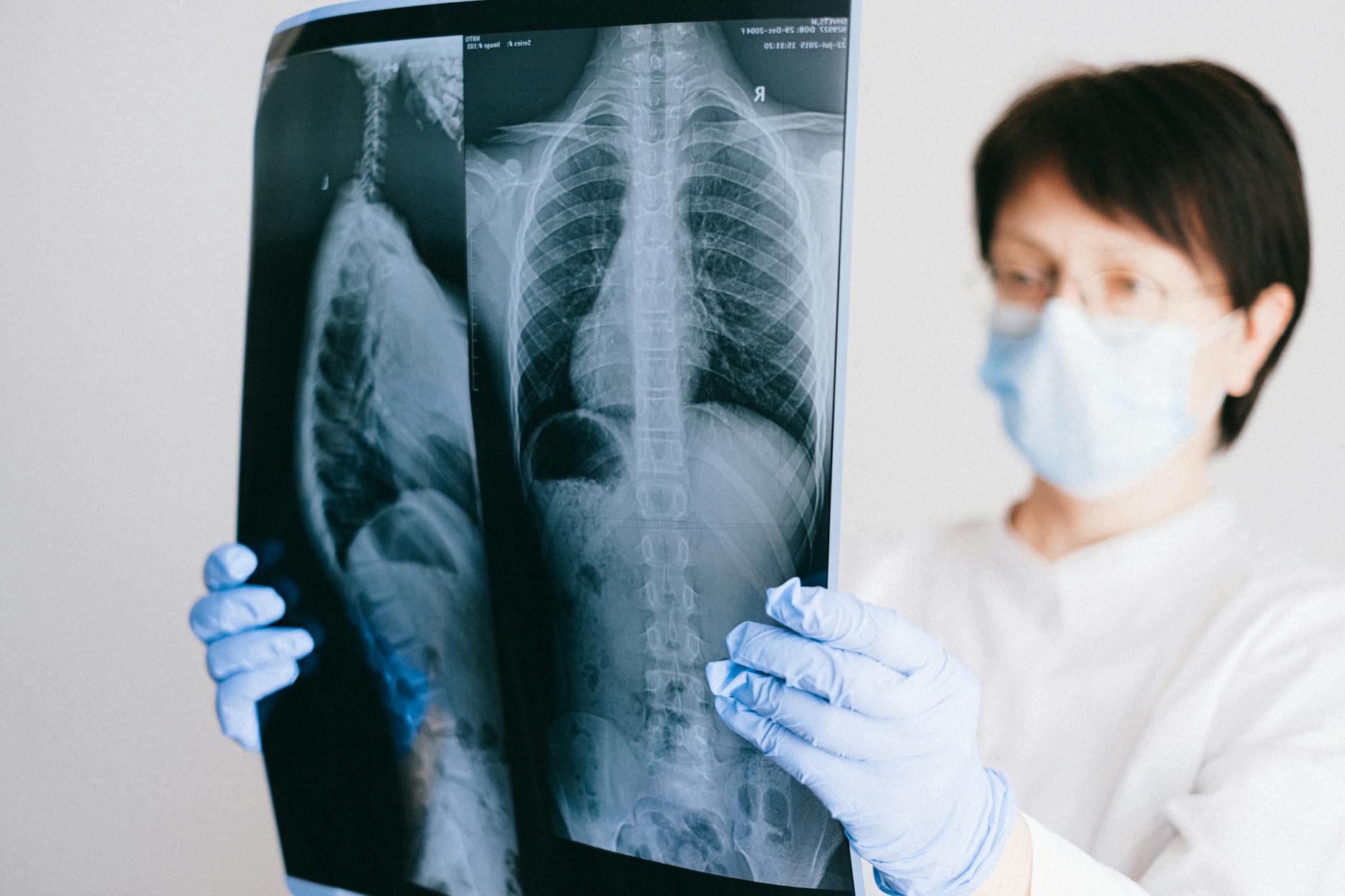
Pleural effusion — a buildup of excess fluid between the thin membranes lining the lungs and chest wall — affects roughly 1.5 million people in the United States each year. Recognizing pleural effusion symptoms early can make a significant difference in treatment outcomes, since the underlying causes range from infections and heart failure to more serious conditions like cancer. Here are 10 warning signs that may signal fluid is accumulating around your lungs.
1. Shortness of Breath
Difficulty breathing is widely considered the hallmark symptom of pleural effusion. As fluid collects in the pleural space, it compresses the lung and limits its ability to fully expand. Research published in PubMed Central (NIH) identifies dyspnea as the most common presenting symptom, with severity closely tied to the volume of fluid present. You may first notice breathlessness during physical activity and later at rest as the effusion grows. Even mild, unexplained shortness of breath that worsens over days or weeks warrants a conversation with your doctor, especially if you have risk factors like heart disease or a recent infection.
2. Sharp, Pleuritic Chest Pain
A stabbing or sharp chest pain that worsens when you breathe in deeply is known as pleuritic pain. It happens because the inflamed pleural membranes rub against each other during respiration. According to PubMed Central (NIH), pleuritic chest pain is one of the primary clinical features used to identify pleural effusion. Interestingly, the pain may actually decrease as more fluid accumulates because the liquid acts as a cushion between the membranes. If you experience chest pain that changes with breathing, seek medical evaluation promptly to rule out serious causes.
3. Dry, Nonproductive Cough
A persistent cough that doesn’t produce mucus is another frequently reported symptom. The fluid pressing against the lung tissue and airways triggers irritation that sparks the cough reflex. Clinical evidence described in PubMed highlights dry cough alongside dyspnea and pleuritic pain as the three primary symptoms patients report. This cough often worsens when lying flat or shifting positions. If a dry cough lingers for more than a couple of weeks without a clear explanation like allergies or a cold, bring it up with your healthcare provider.
4. Chest Heaviness or Pressure
Many people with pleural effusion describe a feeling of tightness or heaviness on one side of the chest. Unlike the sharp pleuritic pain, this sensation tends to be a dull, constant ache. It results from the weight and volume of accumulated fluid pressing on the lung and surrounding structures. The feeling may be more noticeable when you lean forward or lie on the affected side. Paying attention to which side feels heavier can help your doctor pinpoint the location of the effusion during examination and imaging.
5. Difficulty Breathing When Lying Flat
Orthopnea, or breathlessness that worsens when you recline, is a telltale sign that fluid may be compressing your lungs. When you lie down, gravity redistributes the fluid across a larger surface of the pleural space, reducing lung capacity further. Many patients instinctively prop themselves up with extra pillows or sleep in a recliner to breathe more comfortably. If you find yourself suddenly needing to sit upright to catch your breath at night, this is a red flag that deserves medical attention. Your doctor may order a chest X-ray to check for fluid accumulation.
6. Rapid, Shallow Breathing
When the lungs cannot expand fully, your body compensates by increasing your breathing rate. This rapid, shallow pattern — called tachypnea — is the body’s attempt to maintain adequate oxygen levels despite reduced lung volume. You might not notice it yourself, but a family member or friend may observe that your breathing seems faster than normal. As noted by the NCBI Bookshelf (NIH), tachypnea is a common physical examination finding in patients with pleural effusion. Tracking your breathing rate at rest can provide useful information for your healthcare team.
7. Reduced Exercise Tolerance
Activities that once felt easy — climbing stairs, walking briskly, or carrying groceries — may suddenly leave you winded. This decline in exercise tolerance happens because the fluid-compressed lung cannot deliver enough oxygen to meet the body’s increased demand during movement. Studies indicate that dyspnea on exertion is often the earliest symptom patients notice before breathlessness appears at rest. This gradual shift is easy to dismiss as being out of shape or getting older. However, a noticeable and unexplained drop in your physical stamina over days to weeks is worth discussing with a doctor.
8. Fever and Chills
When pleural effusion results from an infection — such as pneumonia or tuberculosis — fever and chills often accompany the respiratory symptoms. An infected pleural effusion, called empyema, requires aggressive treatment including antibiotics and sometimes drainage. The fever may be low-grade and persistent or spike sharply depending on the severity of the infection. Chills and night sweats can also appear alongside the fever. If you develop a fever paired with any breathing difficulties or chest pain, seek prompt medical care because infected effusions can become life-threatening without treatment.
9. Unexplained Fatigue
Chronic tiredness that does not improve with rest is a subtle but important symptom. When the lungs are unable to work efficiently, your body receives less oxygen than it needs. This oxygen deficit forces the heart and muscles to work harder, leaving you feeling drained and sluggish throughout the day. Fatigue related to pleural effusion often creeps in gradually, making it easy to attribute to stress or poor sleep. If persistent exhaustion occurs alongside any chest or breathing symptoms, consider mentioning all of your symptoms together so your doctor can see the full clinical picture.
10. Hiccups or Pain Radiating to the Shoulder
This lesser-known symptom catches many people off guard. Large pleural effusions can irritate the diaphragm or phrenic nerve, causing persistent hiccups or referred pain that travels to the shoulder or upper abdomen. The sensation may feel unrelated to the lungs, which is why it often goes unrecognized. Shoulder pain on the same side as chest discomfort is an important diagnostic clue. If you experience unexplained hiccups lasting more than a day or shoulder pain paired with breathing changes, share these details with your healthcare provider for a thorough evaluation.
Recognizing pleural effusion symptoms early gives you the best chance at identifying the underlying cause and starting effective treatment. If you notice any combination of these warning signs — especially shortness of breath, chest pain, or a persistent dry cough — schedule an appointment with your doctor for a proper evaluation, which typically begins with a physical exam and chest imaging.
Medical Disclaimer: This article is for informational purposes only and does not constitute medical advice. Always consult a qualified healthcare professional before making health decisions.




