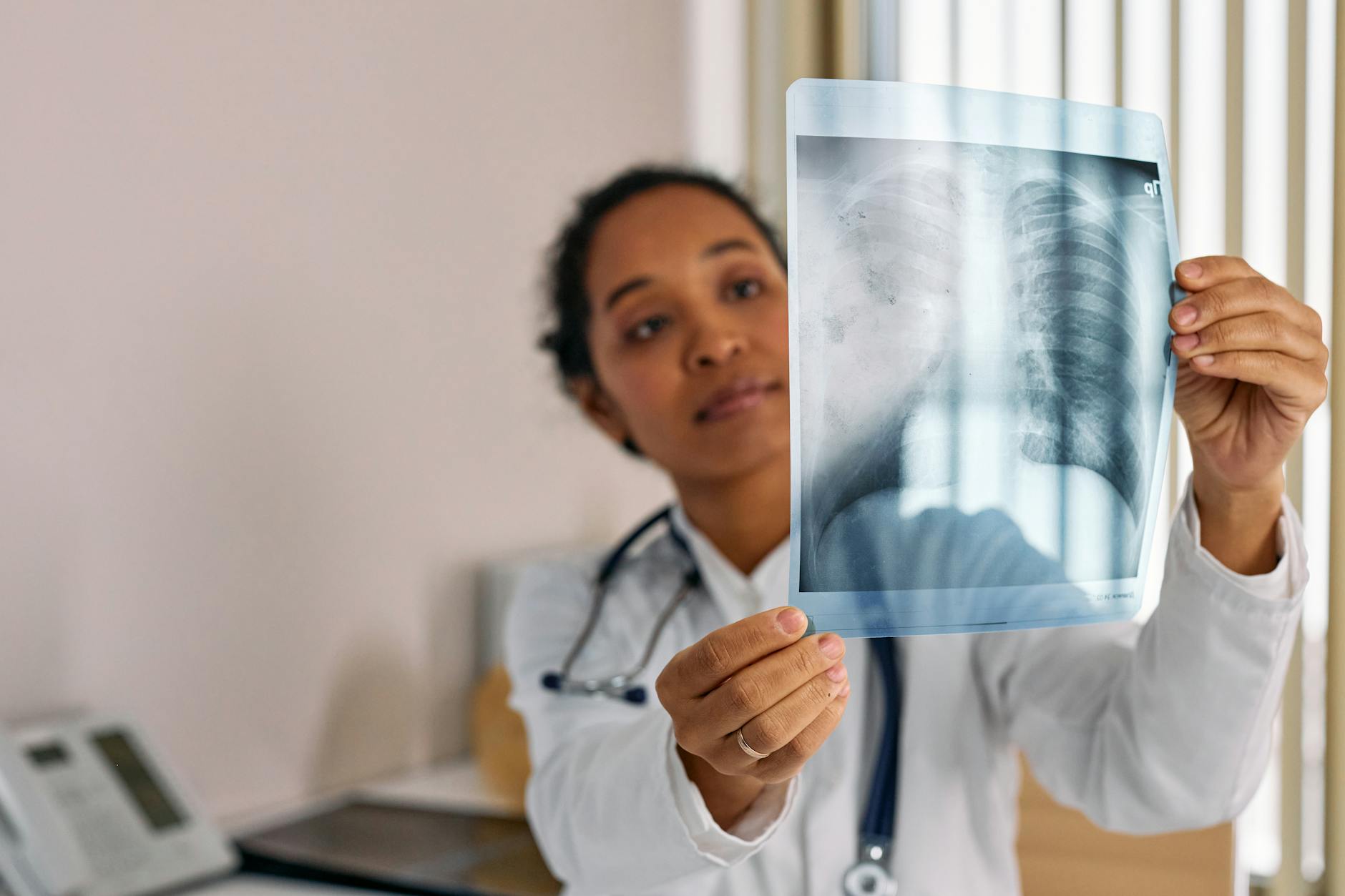
Pneumonia is a lung infection that affects roughly 1.5 million adults in the United States each year, leading to hundreds of thousands of hospitalizations. Whether caused by bacteria, viruses, or fungi, the infection triggers inflammation in the air sacs of one or both lungs — and recognizing the warning signs early can make a real difference in outcomes. Here are 10 pneumonia symptoms that deserve your attention.
1. Persistent Cough
A cough that lingers and worsens over several days is one of the hallmark pneumonia symptoms. Unlike a typical cold-related cough, a pneumonia cough often feels deeper and more forceful. Research indicates that cough is present in approximately 75% of pneumonia cases, making it the single most reported symptom. The cough may be dry at first but frequently becomes productive over time. If your cough persists beyond a week or keeps getting worse, it is worth scheduling a visit with your doctor rather than waiting it out.
2. Fever and Chills
Your body raises its temperature to fight off invading pathogens, and pneumonia is no exception. Many people with pneumonia experience a high fever — sometimes reaching 105°F — often accompanied by intense, shaking chills. According to clinical literature from NIH/StatPearls, fever and chills are among the most common systemic signs of the infection. Older adults, however, may not always spike a fever, which can delay diagnosis. If you develop a sudden high fever alongside other respiratory complaints, seek medical evaluation promptly.
3. Shortness of Breath
Feeling breathless during routine activities like walking across a room or climbing stairs can signal that your lungs are struggling. Pneumonia causes the air sacs to fill with fluid or pus, which reduces the lungs’ ability to transfer oxygen into the bloodstream. Studies suggest that dyspnea, or difficulty breathing, occurs in roughly 65% of pneumonia patients. This symptom can range from mild to severe. If you notice that breathing feels labored even while resting, treat it as an urgent sign that warrants immediate medical attention.
4. Chest Pain That Worsens With Breathing
Sharp or stabbing chest pain that flares up when you inhale deeply or cough is a classic sign of pneumonia. This type of pain, known as pleuritic chest pain, happens when the inflamed lung tissue irritates the pleura — the thin membrane surrounding the lungs. Clinical guidelines identify pleuritic chest pain as a typical pneumonia symptom that helps distinguish the infection from a common cold. The pain may feel worse on one side. Reporting the location and nature of the pain to your healthcare provider can help guide a faster diagnosis.
5. Mucus or Phlegm Production
When pneumonia takes hold, the lungs produce excess mucus as part of the immune response. You may cough up thick phlegm that appears yellow, green, or even rust-colored. Sputum production is reported in about 30% of confirmed cases, and the color and consistency can sometimes offer clues about the type of infection. Rust-colored sputum, for instance, is more commonly linked to bacterial pneumonia. Pay attention to any changes in your mucus and share those details with your doctor for a more accurate assessment.
6. Fatigue and Extreme Tiredness
Pneumonia places enormous demands on your body as it fights the infection. Many people describe an overwhelming fatigue that goes well beyond normal tiredness. Even simple tasks like getting dressed or making a meal can feel exhausting. This deep fatigue often persists for weeks — even after treatment begins. Resting adequately and allowing your body time to heal is essential. If your energy levels do not improve within a reasonable timeframe after starting treatment, let your healthcare provider know.
7. Rapid or Shallow Breathing
When the lungs cannot exchange oxygen efficiently, your body compensates by increasing your breathing rate. Rapid or shallow breathing — sometimes more than 20 breaths per minute at rest — is a telltale sign that the infection may be progressing. Clinical evidence from NIH/InformedHealth highlights rapid breathing as a key pneumonia symptom across all age groups, especially in young children and older adults. Counting breaths per minute at rest can give you useful information. Share that number with a medical professional if it seems abnormally high.
8. Confusion or Mental Changes
This symptom often catches people off guard, but pneumonia can affect more than just the lungs. In older adults especially, sudden confusion, disorientation, or changes in alertness may be the first noticeable sign of the infection. Low oxygen levels and the body’s inflammatory response can impair brain function. A person over 65 who seems unusually confused without another clear cause should be evaluated for pneumonia. Recognizing this less obvious symptom can lead to earlier treatment and better outcomes for vulnerable individuals.
9. Muscle Aches and Body Pain
Widespread muscle aches and general body pain frequently accompany pneumonia, especially in the early stages. These systemic symptoms occur because the immune system releases inflammatory chemicals called cytokines as it battles the infection. The aches can feel similar to flu-like body pain and often affect the back, legs, and arms. While muscle soreness alone is not specific to pneumonia, its combination with respiratory symptoms should raise a red flag. Over-the-counter pain relievers may offer temporary relief, but addressing the underlying infection is what matters most.
10. Loss of Appetite and Nausea
Many people with pneumonia simply do not feel like eating. The combination of fever, fatigue, and general malaise can suppress appetite significantly. Some individuals also experience nausea or occasional vomiting, particularly children and older adults. Poor nutrition during illness can slow recovery, so staying hydrated and eating small, nutrient-dense meals when possible is important. If you or a loved one cannot keep fluids down or has not eaten in more than a day during a respiratory illness, contact a healthcare provider for guidance.
Pneumonia symptoms can develop gradually or come on suddenly, and their severity varies widely based on your age, overall health, and the type of infection. If you notice several of these signs — especially shortness of breath, high fever, or chest pain — reach out to a healthcare professional without delay. Early recognition and timely treatment remain the most effective ways to prevent complications and support a full recovery.
Medical Disclaimer: This article is for informational purposes only and does not constitute medical advice. Always consult a qualified healthcare professional before making health decisions.




