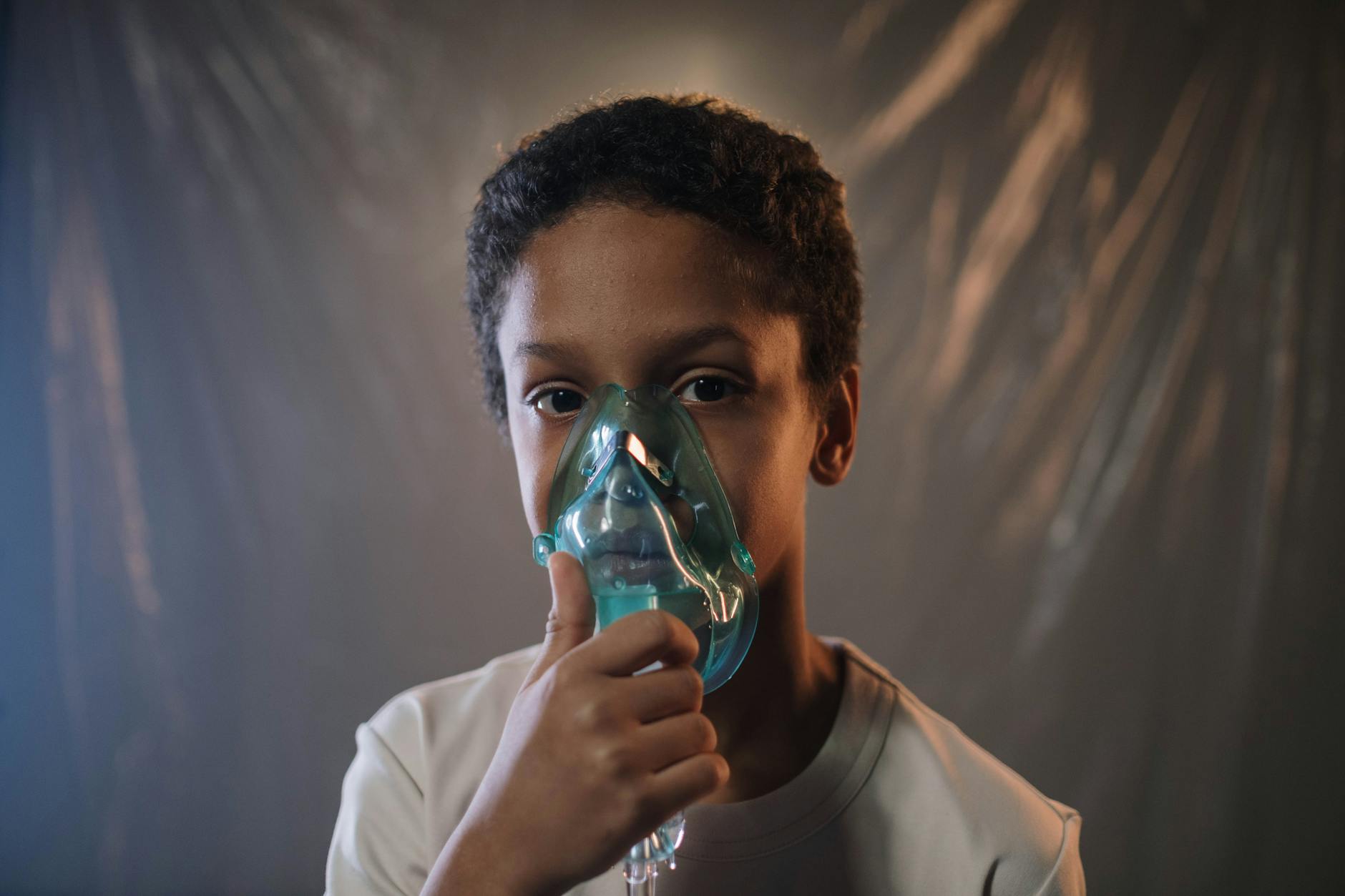
Respiratory syncytial virus, or RSV, infects nearly every child at least once before the age of two and sends tens of thousands to the hospital each year. Recognizing RSV symptoms early can make the difference between a manageable illness at home and a trip to the emergency room. Below are 10 of the most common signs to watch for in children and adults alike.
1. Persistent Cough
A stubborn, lingering cough is the hallmark of an RSV infection. Research consistently identifies cough as the single most reported symptom across every age group, from infants to older adults. It often starts dry and hacking before becoming wetter as mucus builds in the airways. According to one review, cough appeared in roughly 90 percent of children diagnosed with RSV. If your child’s cough lasts more than a few days or worsens at night, it is worth calling your pediatrician for guidance.
2. Runny or Stuffy Nose
Nasal congestion and a runny nose are usually the first RSV symptoms to appear. The virus initially targets the upper respiratory tract, triggering inflammation that produces clear, watery mucus. In infants, even mild congestion can interfere with feeding because babies rely on nose breathing. Clinical evidence shows rhinorrhea and nasal congestion often precede lower airway involvement. Using a bulb syringe or saline drops may help keep tiny nasal passages clear while the body fights the infection.
3. Low-Grade Fever
Many children with RSV develop a mild fever, typically below 101°F. Unlike influenza, RSV does not always cause high or prolonged fevers. Studies suggest fever appears in about 40 percent of RSV cases in children, making it a less reliable indicator on its own. A low-grade fever combined with cough and congestion, however, paints a clearer picture. Monitor temperature regularly and consult your doctor if fever climbs above 100.4°F in infants under three months old.
4. Sneezing
Frequent sneezing is another early upper-respiratory sign of RSV that parents often mistake for seasonal allergies. The virus irritates the nasal lining, and the body responds with repeated sneezing to try to expel the intruder. In otherwise healthy older children, sneezing may be the only noticeable symptom. It tends to appear within the first two to four days of infection. If sneezing comes with thick or colored nasal discharge, it may signal that the infection is progressing and warrants closer attention.
5. Shortness of Breath
Difficulty breathing is one of the more alarming RSV symptoms and a key reason families seek emergency care. Research indicates shortness of breath affects roughly 60 percent of children with confirmed RSV. When the virus moves from the upper airways into the lungs, swelling and mucus narrow the small breathing tubes. Watch for rapid breathing, flared nostrils, or visible rib retractions. Any child struggling to breathe needs prompt medical evaluation.
6. Wheezing
A high-pitched whistling sound during exhaling is a telltale sign that RSV has reached the lower airways. Wheezing occurs when inflamed bronchioles become partially blocked by mucus and swelling. It is especially common in infants and toddlers whose airways are already narrow. Studies show RSV symptoms often progress from upper respiratory signs like cough to lower respiratory involvement with wheezing and crackles. If you can hear wheezing without a stethoscope, seek medical advice promptly.
7. Decreased Appetite and Feeding Difficulty
Babies with RSV often refuse the breast or bottle, and older children may lose interest in meals. Congestion makes it hard to breathe and swallow at the same time, turning feeding into an exhausting task. Clinical evidence lists feeding abnormalities among the most common RSV symptoms in young children. Dehydration can develop quickly when a small child stops eating and drinking. Offering smaller, more frequent feedings and watching for fewer wet diapers can help you catch dehydration early.
8. Irritability and Fatigue
An unusually fussy or lethargic child may be signaling that RSV is taking a toll. The immune response to the virus drains energy, and breathing difficulties leave little room for normal activity. Infants may cry more than usual yet seem impossible to soothe. Older children might want to sleep far more than normal. If lethargy becomes severe or your child is difficult to wake, treat it as an urgent situation and contact your healthcare provider immediately.
9. Crackling Lung Sounds
Healthcare providers often detect fine crackling sounds, called crackles, when listening to the lungs with a stethoscope. These sounds indicate fluid or mucus in the smallest airways, a sign that RSV has progressed to bronchiolitis or pneumonia. Parents cannot hear crackles at home, but rapid or labored breathing may hint at their presence. Research suggests crackles are one of the distinguishing lower-respiratory signs that separate RSV from a simple cold. If your child’s breathing looks effortful even at rest, a clinical assessment is important.
10. Sinus Pain and Earache in Adults
RSV is not just a childhood illness. Adults, especially older adults and those with weakened immune systems, can develop significant symptoms too. Research shows that high-risk adults commonly experience cough, sputum production, and shortness of breath alongside sinus pain and earache. Fever tends to be less frequent in adults compared to influenza, which can make RSV harder to identify. If you are over 65 or have a chronic lung or heart condition, report persistent respiratory symptoms to your doctor sooner rather than later.
Recognizing RSV symptoms early gives you a real head start in protecting your child or yourself from serious complications. Most cases resolve on their own with supportive care, but knowing the warning signs of lower-airway involvement, like wheezing and rapid breathing, helps you decide when professional help is needed. Keep a close eye on hydration, breathing patterns, and energy levels, and do not hesitate to call your healthcare provider if anything feels off.
Medical Disclaimer: This article is for informational purposes only and does not constitute medical advice. Always consult a qualified healthcare professional before making health decisions.




