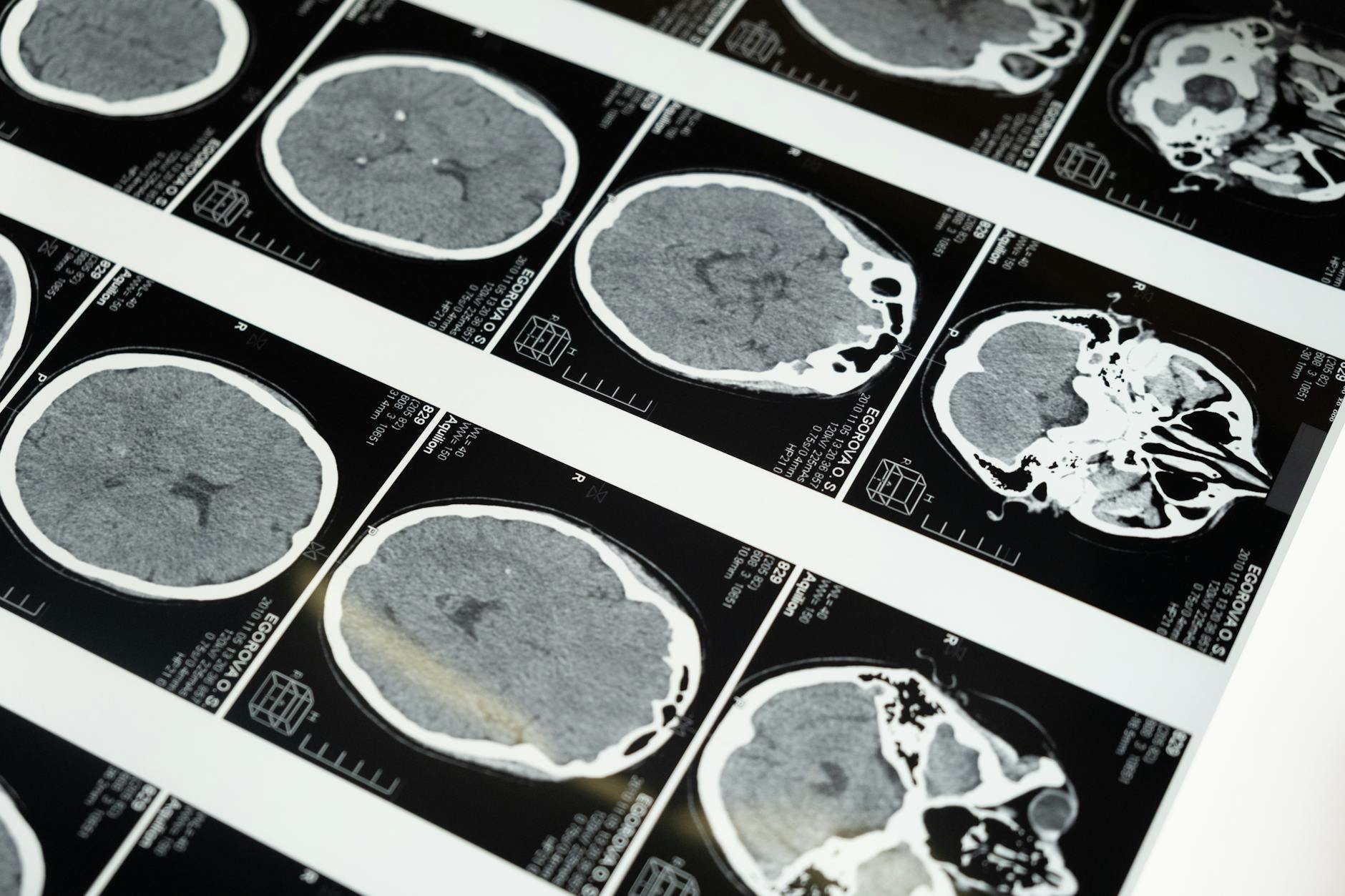
Seizures affect roughly 1 in 10 people at some point in their lives, making them far more common than many realize. Understanding seizure causes can help you recognize warning signs, reduce risk factors, and respond quickly when they occur. From underlying medical conditions to everyday lifestyle factors, the triggers behind seizures are surprisingly varied.
1. Epilepsy
Epilepsy is the most well-known cause of recurrent seizures. It is a chronic neurological disorder where brain cells fire abnormally, producing unprovoked seizures. Some people inherit a genetic predisposition, while others develop epilepsy after brain injury or infection. Research suggests that about 50 million people worldwide live with epilepsy. However, as PubMed notes, uncontrolled seizures in epilepsy patients often stem from misclassification, suboptimal medication doses, or poor compliance with treatment. If you experience more than one unprovoked seizure, talk to a neurologist about a proper evaluation and treatment plan.
2. High Fever and Infections
Febrile seizures are especially common in young children between six months and five years old. A sudden spike in body temperature can trigger the brain to misfire. Systemic infections such as meningitis, encephalitis, or even severe urinary tract infections may also lead to seizures in adults. According to PubMed, systemic infections with fever rank among the most common triggers for breakthrough seizures. If you or a child develops a high fever accompanied by unusual movements or loss of consciousness, seek emergency medical attention immediately.
3. Head Injuries and Traumatic Brain Injury
A significant blow to the head can disrupt normal brain activity and cause a seizure. Traumatic brain injuries from car accidents, falls, or sports impacts are recognized seizure causes that may produce symptoms immediately or even years later. Post-traumatic seizures sometimes develop into post-traumatic epilepsy, a condition that requires ongoing management. Wearing helmets during high-risk activities and using seatbelts are simple but effective ways to lower your risk of brain injury and related seizures.
4. Sleep Deprivation
Missing sleep does more than leave you groggy. Clinical evidence shows that sleep deprivation is one of the most commonly reported seizure precipitants, particularly for people already living with epilepsy. When the brain is overtired, its electrical activity becomes less stable. As noted by PubMed, stress and sleep deprivation are frequently reported triggers, with illness being the most common situation linked to increased seizure likelihood. Aim for seven to nine hours of quality sleep each night and maintain a consistent bedtime routine.
5. Electrolyte Imbalances
Your brain relies on a delicate balance of sodium, potassium, calcium, and magnesium to function properly. When these electrolytes swing too far in either direction, nerve cells can become hyperexcitable. Severe dehydration, kidney disease, eating disorders, and excessive water intake without electrolytes can all create dangerous imbalances. Low blood sodium, known as hyponatremia, is an especially well-documented seizure trigger. Staying properly hydrated and eating a balanced diet can help keep your electrolyte levels within a healthy range.
6. Stroke and Vascular Problems
Strokes are one of the leading seizure causes in older adults. When blood flow to part of the brain is interrupted, the resulting damage can create abnormal electrical activity. Both ischemic strokes and hemorrhagic strokes carry seizure risk. Some people experience a seizure at the time of the stroke itself, while others develop seizures weeks or months afterward. As noted by the NIH, vascular anomalies are among the recognized causes of provoked seizures. Managing blood pressure, cholesterol, and heart health may help reduce stroke-related seizure risk.
7. Brain Tumors
Both benign and malignant brain tumors can cause seizures by pressing on surrounding tissue or disrupting normal neural pathways. In fact, a seizure is sometimes the very first symptom that leads to a tumor diagnosis. The location, size, and growth rate of the tumor all influence seizure likelihood. Tumors in the cerebral cortex tend to produce seizures more often than those in deeper brain structures. If you experience a new-onset seizure without a clear cause, your doctor may recommend imaging studies such as an MRI to rule out structural abnormalities.
8. Drug and Alcohol Use
Certain substances can lower the seizure threshold and make the brain more vulnerable to abnormal activity. Heavy alcohol use followed by sudden withdrawal is a particularly dangerous scenario. Cocaine, amphetamines, and synthetic drugs have also been linked to seizures. Even some prescription medications, when taken in excess or combined with other drugs, may trigger seizure activity. If you or someone you know is withdrawing from alcohol or substances, medical supervision is essential to prevent potentially life-threatening seizures.
9. Medication Non-Compliance
For people already diagnosed with epilepsy, skipping anti-seizure medications is one of the most preventable seizure causes. Missing even a single dose can cause drug levels to drop below the therapeutic range. Studies indicate that poor compliance is a leading factor in breakthrough seizures and treatment failure. Side effects, forgetfulness, and cost barriers are common reasons people stop taking their medications. Using pill organizers, setting phone alarms, and discussing side effect concerns with your doctor can all help maintain consistent dosing.
10. Extreme Stress and Emotional Triggers
Chronic stress affects the brain in powerful ways. Prolonged exposure to stress hormones like cortisol can increase neuronal excitability. Many people with epilepsy report that periods of intense emotional or psychological stress coincide with more frequent seizures. While stress alone rarely causes a first-time seizure in a healthy person, it can act as a significant amplifier for those with underlying risk factors. Practicing stress-management techniques such as deep breathing, meditation, or regular physical activity may help lower seizure frequency over time.
Seizure causes range from chronic conditions like epilepsy to everyday factors like poor sleep and stress. Knowing these triggers empowers you to take preventive steps and have informed conversations with your healthcare provider. If you or a loved one experiences a seizure, especially for the first time, seek medical evaluation promptly to identify the underlying cause and explore treatment options.
Medical Disclaimer: This article is for informational purposes only and does not constitute medical advice. Always consult a qualified healthcare professional before making health decisions.




