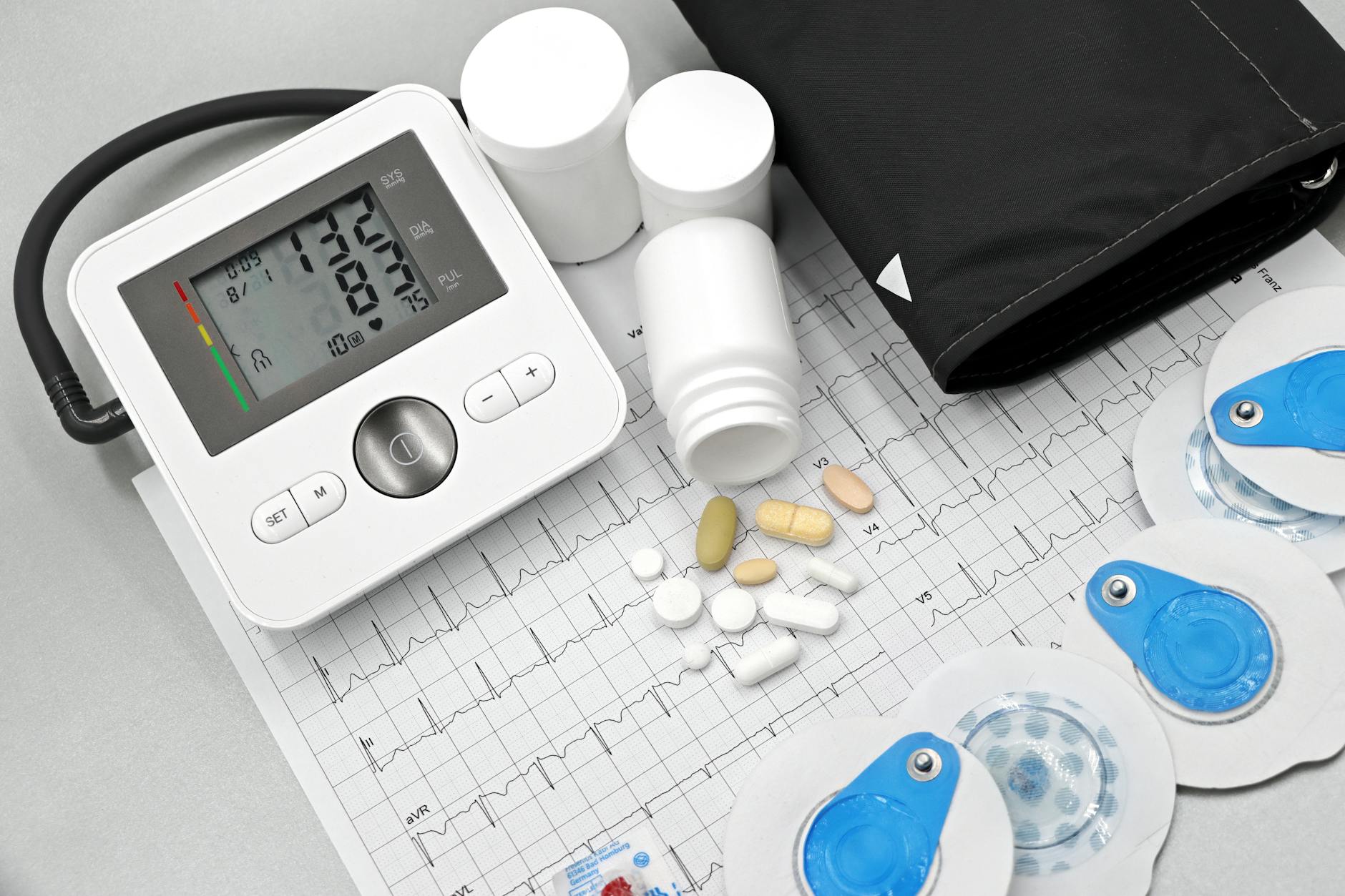
Aortic dissection occurs when a tear develops in the inner wall of the aorta, the body’s largest artery. Although relatively rare, it strikes an estimated 5 to 30 people per 100,000 each year — and without rapid treatment, it can be fatal within hours. Understanding the warning signs and key facts about aortic dissection may help you or someone you love get life-saving care faster.
1. Sudden, Severe Chest Pain
The hallmark symptom of aortic dissection is an abrupt, intense chest pain that many patients describe as the worst they have ever experienced. Unlike the gradual squeezing sensation of a heart attack, the pain from a dissection typically hits with full force right away. Research suggests the pain often feels like a tearing or ripping sensation deep in the chest. According to a NIH Bookshelf clinical overview, this sudden onset is one of the most reliable distinguishing features. If you or anyone nearby describes this kind of pain, call emergency services immediately — minutes matter with this condition.
2. Sharp Pain Between the Shoulder Blades
While chest pain gets the most attention, many people with aortic dissection feel severe pain radiating to the upper back, particularly between the shoulder blades. This happens because the tear may extend along the descending portion of the aorta, which runs close to the spine. The pain can shift or migrate as the dissection progresses, which is an important clue for emergency physicians. If you experience sudden, knife-like back pain with no obvious cause, seek emergency evaluation without delay.
3. A Sudden Drop in Blood Pressure
Aortic dissection can cause a dramatic and dangerous drop in blood pressure. When the aortic wall tears, blood may leak into the space around the heart or into the chest cavity. This internal bleeding reduces the volume of blood reaching vital organs. Symptoms of this drop include dizziness, lightheadedness, fainting, or a sense of impending doom. Emergency teams often look for blood pressure differences between the two arms as an additional diagnostic clue.
4. Shortness of Breath and Difficulty Swallowing
Some patients with aortic dissection develop sudden shortness of breath even while at rest. The swelling or leaking blood may put pressure on surrounding structures, including the airways and esophagus. This can also lead to difficulty swallowing, hoarseness, or a feeling of tightness in the throat. These symptoms are easy to mistake for a respiratory problem or panic attack. When they appear alongside chest or back pain, they should raise immediate suspicion for a cardiovascular emergency.
5. Unequal Pulses or Blood Pressure in the Arms
One of the more distinctive physical findings in aortic dissection is a noticeable difference in pulse strength or blood pressure between the right and left arms. The dissection flap can partially block blood flow to one of the major arteries branching off the aorta. Clinicians may detect a weaker or absent pulse on one side during examination. Studies indicate that this finding, while not present in every case, is highly suggestive of dissection when combined with other symptoms. Mentioning this sign to paramedics can help speed up the correct diagnosis.
6. Neurological Symptoms That Mimic a Stroke
Aortic dissection can block blood supply to the brain, producing symptoms that look identical to a stroke. Patients may experience sudden confusion, slurred speech, vision changes, or weakness on one side of the body. A PubMed review of over 7,300 cases from 51 sites across 12 countries noted that improved diagnostic imaging has become essential in distinguishing dissection from primary stroke. This overlap makes the condition particularly dangerous because misdiagnosis can delay proper treatment. If stroke-like symptoms appear alongside severe chest or back pain, aortic dissection should be considered.
7. Leg Pain or Inability to Walk
When the dissection extends into the lower aorta, it can compromise blood flow to the legs. Patients may notice sudden pain, numbness, tingling, or weakness in one or both legs. In severe cases, a person may lose the ability to move their lower limbs entirely. This happens because the dissection flap acts like a dam, cutting off the arterial supply. Sudden leg symptoms combined with upper body pain warrant an immediate emergency room visit.
8. High Blood Pressure as a Major Risk Factor
Chronic high blood pressure is the single most common risk factor for aortic dissection. Years of elevated pressure weaken the aortic wall, making it more vulnerable to tearing. Clinical evidence shows that roughly two-thirds of patients diagnosed with dissection have a history of hypertension. Other risk factors include connective tissue disorders like Marfan syndrome, a bicuspid aortic valve, and a family history of aortic disease. Managing blood pressure through medication, diet, and exercise is one of the most practical steps to reduce your risk.
9. The Critical Importance of Rapid Diagnosis
Aortic dissection is frequently misdiagnosed on initial presentation because its symptoms overlap with heart attacks, pulmonary embolism, and musculoskeletal pain. CT angiography is the gold-standard imaging tool and can confirm a dissection within minutes. A PubMed study spanning 25 years of international registry data found that in-hospital mortality for type A dissection dropped from 24.1% to 16.7% as diagnostic and surgical approaches improved. Speed is everything — the mortality rate for untreated type A dissection increases roughly one to two percent for every hour of delay. Asking your emergency team directly about aortic dissection can sometimes accelerate the workup.
10. Surgical Treatment Can Be Lifesaving
Type A aortic dissection — involving the ascending aorta — is a surgical emergency that requires open-heart repair. Modern surgical techniques have dramatically improved outcomes over the past two decades. A PubMed review notes that contemporary survival rates reach 85 to 90 percent at specialized Centers of Excellence. Type B dissections, which affect the descending aorta, are often managed initially with medications to lower blood pressure and heart rate. Understanding these treatment paths can help patients and families ask informed questions and advocate for transfer to a high-volume aortic center when necessary.
Aortic dissection is a rare but devastating emergency where early recognition can mean the difference between life and death. Knowing these warning signs — from sudden tearing chest pain to unequal arm pulses — empowers you to act quickly. If you or someone near you shows these symptoms, call emergency services immediately and mention the possibility of aortic dissection.
Medical Disclaimer: This article is for informational purposes only and does not constitute medical advice. Always consult a qualified healthcare professional before making health decisions.




