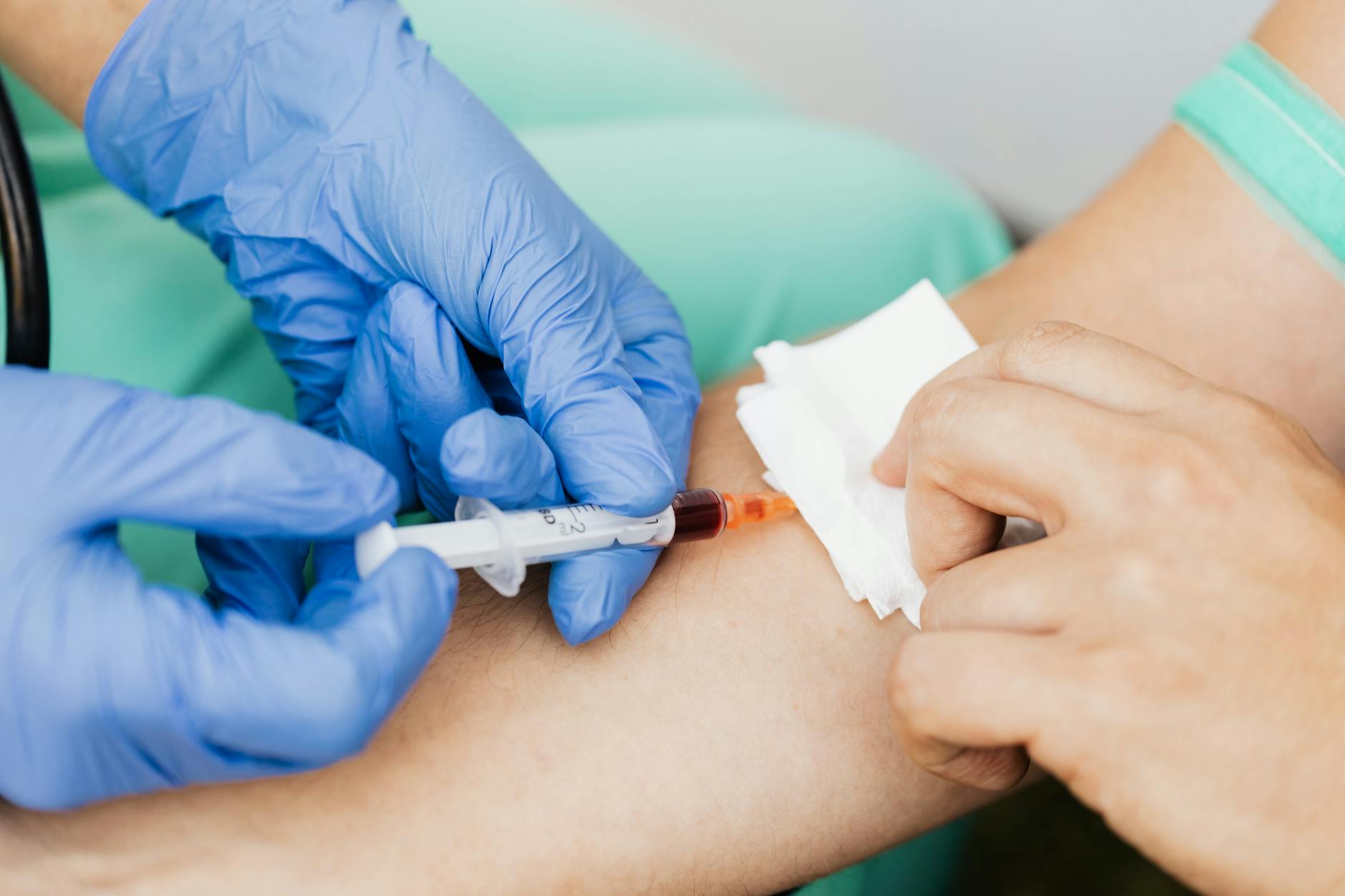
A blood infection, medically known as bacteremia or septicemia, occurs when harmful bacteria or other pathogens enter the bloodstream. Research suggests that bloodstream infections affect millions of people worldwide each year and remain a leading cause of hospitalization and intensive care admission. Recognizing the early warning signs can make a critical difference in outcomes, so understanding what to watch for is something everyone should prioritize.
1. High Fever or Abnormally Low Temperature
One of the earliest and most recognizable signs of a blood infection is a sudden spike in body temperature, often above 101°F (38.3°C). In some cases, particularly among older adults or people with weakened immune systems, body temperature may actually drop below normal. This happens because the immune system launches a powerful inflammatory response to fight the invading pathogens. A fever that comes on rapidly without an obvious cause like a cold or flu warrants attention. According to NIH guidance on managing bloodstream infections, rapid diagnosis is critical in ICU settings where temperature changes are closely monitored. If you experience an unexplained fever alongside other symptoms on this list, seek medical evaluation promptly.
2. Rapid Heart Rate
A racing heartbeat, known as tachycardia, is a common response when the body is fighting a blood infection. The heart pumps faster to circulate immune cells and deliver oxygen to tissues under stress. Clinical evidence shows that a sustained heart rate above 90 beats per minute at rest, combined with other signs of infection, is a red flag doctors take seriously. This symptom can feel like heart pounding or fluttering in your chest. It may also be accompanied by feelings of anxiety or lightheadedness. If your resting heart rate stays elevated without an obvious reason like exercise or caffeine, consider it a signal to contact your healthcare provider.
3. Rapid or Difficult Breathing
When a blood infection progresses, the body demands more oxygen to support its immune response. You might notice yourself breathing faster than normal or feeling short of breath even while sitting still. A respiratory rate above 20 breaths per minute at rest is one of the clinical criteria doctors use to assess the severity of systemic infection. This happens because the lungs work harder to keep up with the body’s increased metabolic demands. Difficulty breathing can also signal that the infection is affecting lung function directly. If you find yourself gasping or unable to catch your breath, treat it as an urgent symptom and seek immediate care.
4. Confusion or Disorientation
Mental status changes are among the most alarming signs of a blood infection, especially in older adults. You or a loved one might experience sudden confusion, difficulty concentrating, or unusual drowsiness. This occurs because the infection triggers widespread inflammation that can reduce blood flow and oxygen delivery to the brain. Studies indicate that altered mental status is one of the key indicators clinicians use to identify severe sepsis. Even mild confusion that seems out of character should not be dismissed. Talk to a doctor right away if someone suddenly cannot think clearly or seems unusually disoriented.
5. Extremely Low Blood Pressure
A dangerous drop in blood pressure, called hypotension, often accompanies a worsening blood infection. This happens because the body’s inflammatory response causes blood vessels to widen, reducing the force of blood flow. A systolic blood pressure reading below 90 mmHg is a critical warning sign. Low blood pressure can cause dizziness, fainting, and a feeling of weakness throughout the body. When blood pressure drops too low, vital organs like the kidneys and brain may not receive enough oxygen. This is a medical emergency that typically requires intravenous fluids and close monitoring in a hospital setting.
6. Skin Changes Including Rash or Mottling
Visible skin changes can be a telling sign that a blood infection is affecting circulation. You might notice a rash that does not fade when pressed, pale or grayish skin, or a mottled blotchy appearance on the extremities. These changes occur because the infection disrupts normal blood flow to the skin’s surface. In some cases, tiny red or purple spots called petechiae may appear, suggesting that small blood vessels are being damaged. Skin that feels unusually cold or clammy to the touch is another sign worth noting. Any sudden, unexplained skin changes combined with feeling unwell should prompt a call to your doctor.
7. Chills and Shaking
Severe chills accompanied by uncontrollable shaking, sometimes called rigors, are a hallmark sign that the body is battling a serious infection. These intense episodes happen when the immune system releases chemicals that reset the body’s internal thermostat to a higher temperature. The shaking is the body’s way of generating heat to reach that new set point. Rigors are different from ordinary chills because they are intense and difficult to control. Research from PubMed highlights that bloodstream infections can present with varying severity, making early symptom recognition essential regardless of how many positive blood culture results are found. If shaking chills come on suddenly and feel overwhelming, do not wait to seek medical help.
8. Decreased Urine Output
When a blood infection causes blood pressure to drop and circulation to slow, the kidneys are among the first organs to show the strain. You may notice that you are urinating far less frequently or producing very small amounts of dark-colored urine. This is a sign that the kidneys are not filtering blood efficiently. Reduced urine output can indicate that the infection is progressing toward organ dysfunction. Dehydration can make this worse, but in the context of infection, it is a particularly worrisome signal. Keeping track of how often you urinate and reporting significant changes to your healthcare team can help with early intervention.
9. Nausea, Vomiting, or Diarrhea
Gastrointestinal symptoms like nausea, vomiting, and diarrhea frequently accompany a blood infection. The body’s inflammatory response affects the entire system, including the digestive tract. These symptoms can also result from toxins released by bacteria circulating in the bloodstream. While stomach issues are common with many illnesses, they become more concerning when paired with fever, rapid heart rate, or other signs listed here. According to PubMed research, rapid molecular panels now help identify the specific pathogens causing bloodstream infections, which improves treatment decisions. If persistent GI symptoms accompany signs of systemic illness, report them to a healthcare professional without delay.
10. Extreme Fatigue and Weakness
Feeling profoundly exhausted or weak beyond what rest can fix is a frequently overlooked sign of a blood infection. The body diverts enormous energy toward fighting the invading pathogens, leaving you feeling drained and unable to perform basic tasks. This is not ordinary tiredness from a long day. It is a deep, unrelenting fatigue that may make it hard to get out of bed or stay alert. Muscles may feel heavy and uncooperative. When extreme fatigue appears alongside fever, rapid breathing, or any other symptoms described above, it paints a picture that deserves urgent medical attention.
A blood infection is a serious medical condition where early recognition truly saves lives. If you or someone you know experiences several of these warning signs together, do not hesitate to call emergency services or visit the nearest emergency room. Staying informed about these symptoms empowers you to act quickly when every minute counts.
Medical Disclaimer: This article is for informational purposes only and does not constitute medical advice. Always consult a qualified healthcare professional before making health decisions.




