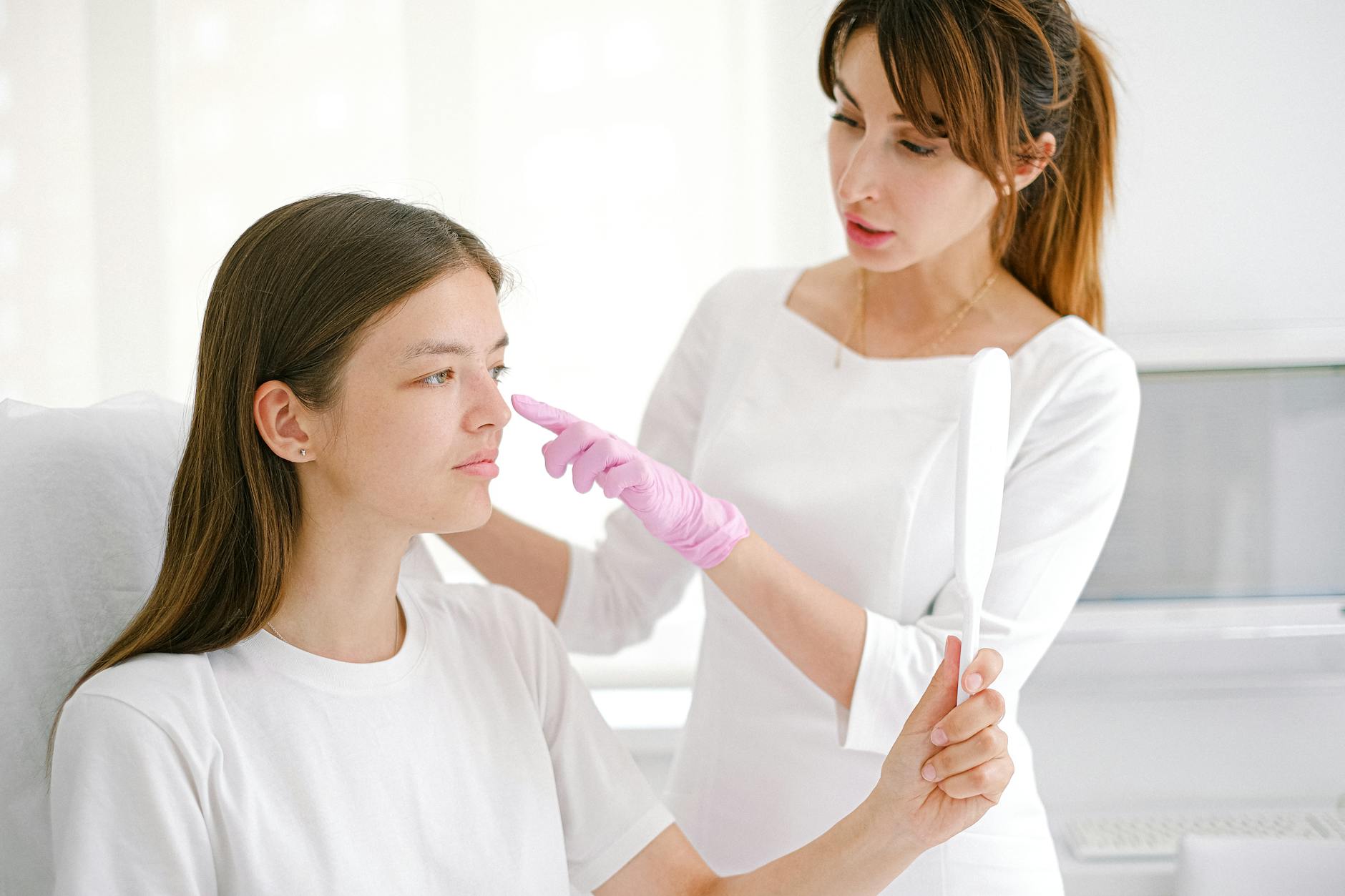
A bacterial skin infection is one of the most frequently diagnosed conditions in emergency rooms and primary care clinics worldwide. Whether it starts from a small cut, an insect bite, or simply dry and damaged skin, bacteria can invade and cause problems ranging from a minor nuisance to a life-threatening emergency. Understanding the most common types can help you recognize warning signs early and get the right treatment faster.
1. Impetigo
Impetigo is a highly contagious bacterial skin infection that most commonly affects infants and young children. It typically appears as red sores around the nose and mouth that rupture, ooze, and form a yellowish-brown crust. The bacteria responsible are usually Staphylococcus aureus or Streptococcus pyogenes. Impetigo spreads easily through direct contact or shared towels and clothing. Research indicates that Staphylococcus aureus is the leading cause of skin infections worldwide, and impetigo is one of its most recognizable forms. Mild cases often respond well to topical antibiotics, but widespread impetigo may require oral medication. If you notice honey-colored crusting on your child’s face, contact your pediatrician promptly.
2. Cellulitis
Cellulitis is a deeper bacterial skin infection that affects the lower layers of skin and the tissue beneath it. It usually appears as a spreading area of redness, swelling, warmth, and tenderness, most often on the lower legs. This infection can develop when bacteria enter through a crack, cut, or insect bite in the skin. Without treatment, cellulitis can spread to the lymph nodes and bloodstream. Clinical evidence shows that acute bacterial skin infections require accurate diagnosis and tailored antibiotic therapy based on the specific pathogen and local resistance patterns. Seek medical attention immediately if redness is expanding rapidly or you develop a fever alongside skin changes.
3. Folliculitis
Folliculitis occurs when hair follicles become infected with bacteria, leading to small red or white-headed bumps around the follicle. It can appear anywhere on the body where hair grows, but it is especially common on the thighs, buttocks, and beard area. Tight clothing, shaving, and excessive sweating are frequent triggers. Most mild cases of folliculitis clear up on their own within a few days with good hygiene. Warm compresses and loose-fitting clothes can speed recovery. However, deeper folliculitis infections may need prescription antibiotics. If bumps persist for more than a week or worsen, a healthcare provider can help determine the best course of action.
4. Boils (Furuncles)
A boil is a painful, pus-filled lump that forms under the skin when a hair follicle becomes deeply infected. Boils often start as tender red nodules that gradually fill with pus over several days. Staphylococcus aureus is the most common culprit behind these stubborn infections. They frequently occur in areas prone to friction and sweating, like the armpits, groin, and inner thighs. Smaller boils may drain on their own with the help of warm compresses applied several times daily. Larger or recurring boils often require medical drainage in a sterile environment. Never squeeze a boil at home, as this can push the infection deeper into surrounding tissue.
5. Carbuncles
Carbuncles are clusters of interconnected boils that form a larger, deeper area of infection beneath the skin. They tend to appear on the back of the neck, shoulders, and thighs, and they are more common in older adults or people with weakened immune systems. A carbuncle often causes more severe symptoms than a single boil, including fever and general fatigue. The infection extends into the subcutaneous fat, making it slower to heal. Treatment typically involves professional drainage combined with a course of oral antibiotics. Recurring carbuncles may signal an underlying health issue such as diabetes. If you develop a large, painful cluster of boils, do not delay seeking medical evaluation.
6. Erysipelas
Erysipelas is a bacterial skin infection involving the upper layers of the skin and the superficial lymphatic system. It is most often caused by Group A Streptococcus and presents as a sharply defined, bright red, raised patch of skin. The affected area is hot and tender to the touch, and the borders are distinctly elevated. Erysipelas commonly strikes the face and lower legs. It can develop quickly, sometimes within just a few hours. Unlike cellulitis, which affects deeper tissue, erysipelas stays closer to the surface but still demands prompt antibiotic treatment. If you notice a rapidly spreading, well-bordered red rash accompanied by chills, get medical help the same day.
7. MRSA Skin Infections
Methicillin-resistant Staphylococcus aureus, known as MRSA, causes skin infections that resist many common antibiotics. These infections often look like spider bites or pimples at first — red, swollen, and painful. MRSA can spread in community settings like gyms, schools, and locker rooms through skin-to-skin contact or shared equipment. Studies indicate that research into antibiotic-resistant strains like MRSA is critical for developing effective treatments. Because standard antibiotics may fail, MRSA infections often require specialized drugs and careful laboratory testing. Good hand hygiene and keeping wounds covered are your best prevention strategies. Always tell your doctor if a skin infection is not improving with initial treatment.
8. Erythrasma
Erythrasma is a mild bacterial skin infection caused by Corynebacterium minutissimum. It typically shows up as reddish-brown, well-defined patches in skin folds such as the groin, armpits, and between the toes. The condition is frequently mistaken for a fungal infection because it thrives in warm, moist areas. Erythrasma is more common in people with diabetes, those living in humid climates, and individuals who are overweight. A dermatologist can distinguish it from fungal infections using a Wood’s lamp, which causes the affected skin to glow coral-red. Treatment usually involves topical or oral antibiotics. Keeping skin folds clean and dry can help prevent recurrence.
9. Wound Infections
Any break in the skin, from a surgical incision to a minor scrape, can become a bacterial skin infection if bacteria enter the wound. Signs of an infected wound include increasing redness, swelling, warmth, pus drainage, and worsening pain. Staphylococcus aureus and Streptococcus species are the most frequent invaders. Proper wound care, including cleaning with mild soap and water and applying a clean bandage, significantly reduces infection risk. Research suggests that people with conditions like atopic dermatitis face a higher risk of bacterial skin infections due to Staphylococcus aureus colonization on their already compromised skin barrier. If a wound shows signs of infection that worsen over 24 to 48 hours, prompt medical evaluation is important.
10. Paronychia
Paronychia is a bacterial infection of the skin around the fingernails or toenails. It typically starts after trauma to the nail area, such as biting your nails, picking at a hangnail, or getting an aggressive manicure. Acute paronychia causes redness, swelling, and throbbing pain along the nail fold. A pocket of pus may form, making the area tender and warm. Staphylococcus aureus is the most common bacterium involved. Mild cases sometimes respond to warm soaks several times a day. More severe infections may need incision and drainage or a course of antibiotics. Keeping your hands dry and avoiding nail trauma are the simplest preventive measures.
Bacterial skin infections come in many forms, but they share a common thread: early recognition leads to better outcomes. If you notice unusual redness, swelling, warmth, or pus on your skin that is not improving, schedule an appointment with a healthcare professional to get a proper diagnosis and treatment plan.
Medical Disclaimer: This article is for informational purposes only and does not constitute medical advice. Always consult a qualified healthcare professional before making health decisions.




