Most adults need between 25 and 38 grams of fiber per day, yet the average American barely reaches 15 grams. That gap matters more than you might think, because research links adequate fiber intake to better digestion, steadier blood sugar, and a healthier heart. The good news is that adding fiber rich foods to your plate can be simple, affordable, and genuinely delicious.
1. Lentils
Lentils are one of the most fiber-dense foods you can find. A single cooked cup delivers roughly 15.5 grams of fiber — nearly half the daily goal for most women. They contain both soluble and insoluble fiber, which means they support blood sugar regulation and healthy digestion simultaneously. Research indicates that dietary fibre intake is associated with improved metabolic health, including better insulin sensitivity and cardiovascular disease reduction. Lentils also pack impressive amounts of plant-based protein and iron. Try swapping them into soups, stews, or grain bowls for an easy fiber boost throughout the week.
2. Chia Seeds
These tiny seeds punch well above their weight when it comes to fiber content. Just two tablespoons of chia seeds contain around 10 grams of fiber, mostly the soluble kind that forms a gel-like texture in liquid. That gel may help slow digestion and keep you feeling full longer. Chia seeds are also rich in omega-3 fatty acids and antioxidants. Stir them into yogurt, blend them into smoothies, or make a simple overnight chia pudding for a fiber-packed breakfast that requires almost no effort.
3. Avocados
Avocados are famous for their healthy fats, but their fiber content deserves equal attention. One medium avocado offers about 10 grams of fiber alongside potassium and heart-healthy monounsaturated fats. The combination of fiber and fat makes avocados particularly satisfying, which may help with portion control at meals. Clinical evidence shows that dietary fiber promotes cardiovascular and metabolic health, reducing risks of heart disease, type 2 diabetes, and obesity. Spread avocado on whole-grain toast or dice it into salads for a creamy, nutrient-rich addition to your day.
4. Black Beans
Black beans are a staple in cuisines around the world, and for good reason. One cooked cup provides approximately 15 grams of fiber along with protein, folate, and magnesium. Their firm texture holds up well in everything from burritos to hearty salads. Black beans are also budget-friendly and shelf-stable when canned, making them one of the most accessible fiber rich foods available. Rinse canned beans to reduce sodium, then toss them into tacos, soups, or homemade veggie burgers for a quick nutritional upgrade.
5. Oats
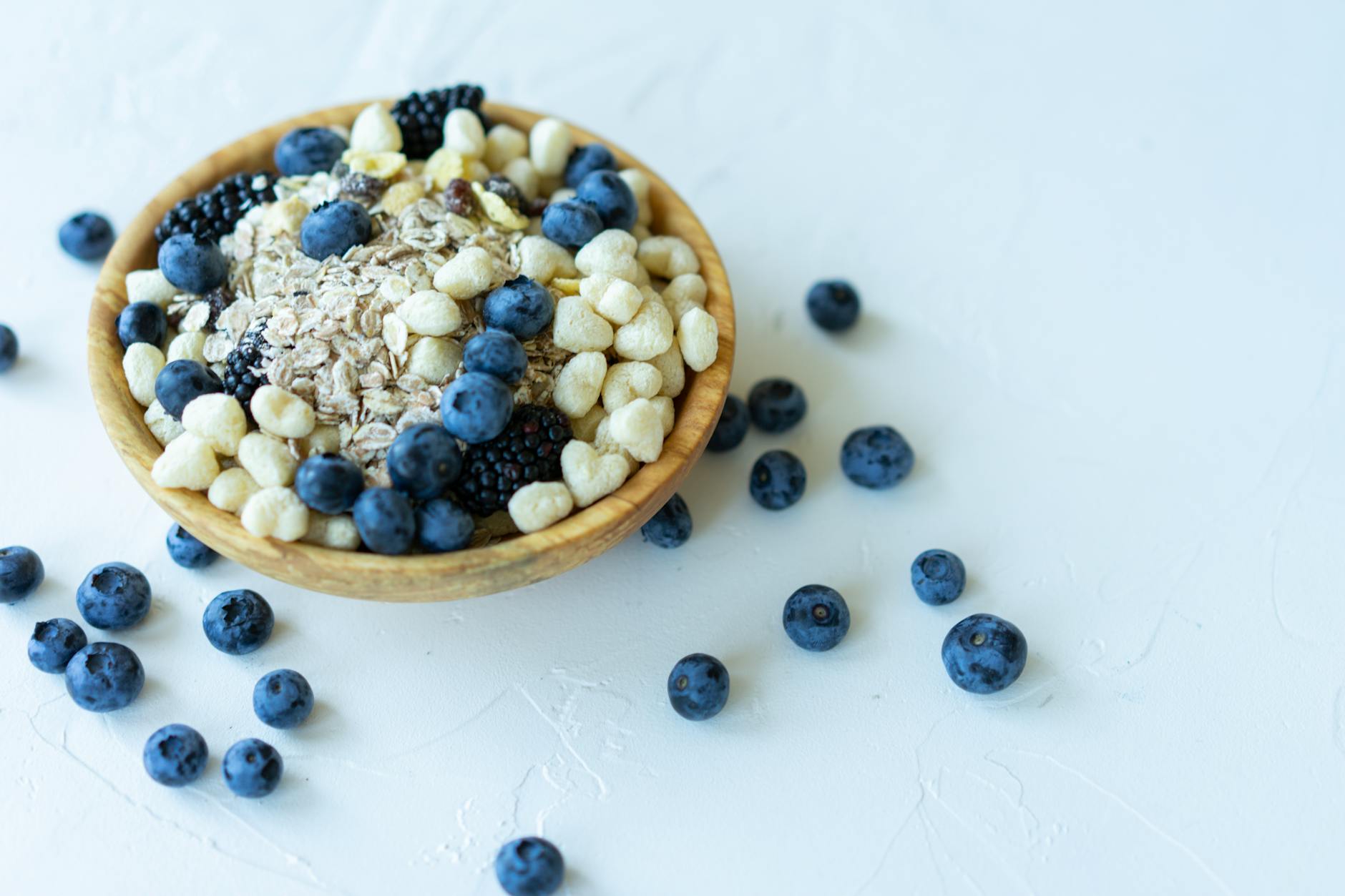
A warm bowl of oatmeal is more than just comfort food. One cup of cooked oats contains about 4 grams of fiber, including a special soluble fiber called beta-glucan. Studies suggest that beta-glucan may help lower LDL cholesterol and support heart health over time. Oats are also gentle on the stomach, making them a great option for people who are gradually increasing their fiber intake. Choose steel-cut or rolled oats over instant varieties for a less processed option. Top them with berries and nuts for even more fiber in a single meal.
6. Broccoli
Broccoli is a cruciferous vegetable that delivers about 5 grams of fiber per cooked cup. It is also loaded with vitamins C and K, folate, and powerful plant compounds linked to cellular health. The fiber in broccoli is predominantly insoluble, which helps add bulk to stool and supports regular bowel movements. Research suggests that insoluble fibers aid gut passage while soluble fibers target cholesterol and heart disease risk. Steam or roast broccoli lightly to preserve its nutrients, and pair it with a protein source for a balanced, fiber-forward meal.
7. Pears
When it comes to fruit, pears are a standout source of fiber. A medium pear with the skin on provides roughly 5.5 grams. Much of that fiber lives in the skin, so eating the whole fruit is key. Pears also supply vitamin C and potassium without excessive calories. Their natural sweetness makes them an easy snack on their own. You can also slice them into salads, bake them with cinnamon, or pair them with cheese for a satisfying afternoon treat that quietly boosts your daily fiber count.
8. Quinoa
Quinoa has earned its reputation as a nutritional powerhouse. One cooked cup contains about 5 grams of fiber, plus all nine essential amino acids, which is rare among plant foods. It cooks in under 20 minutes and works as a base for grain bowls, a side dish, or even a breakfast porridge. Quinoa’s mild, slightly nutty flavor pairs well with almost anything. Swapping it in for white rice is one of the simplest ways to increase both fiber and protein in your meals without dramatically changing how you cook.
9. Almonds
A small handful of almonds — roughly one ounce or 23 nuts — packs about 3.5 grams of fiber. That might sound modest, but as a snack, it adds up quickly over the course of a day. Almonds also deliver vitamin E, magnesium, and healthy fats that support brain and heart health. Their crunch makes them a satisfying alternative to processed snack foods. Keep a bag at your desk or in your car for a convenient fiber boost. You can also chop them over oatmeal, yogurt, or stir-fries for added texture and nutrition.
10. Sweet Potatoes
Sweet potatoes are a delicious, versatile root vegetable with about 4 grams of fiber per medium potato when eaten with the skin. They also provide beta-carotene, vitamin A, and potassium. The combination of complex carbohydrates and fiber makes sweet potatoes a slow-burning energy source that may help keep blood sugar levels more stable after meals. Bake, roast, or mash them as a side dish. You can even use them as a base for grain-free toast. Adding sweet potatoes to your weekly rotation is a tasty, practical way to eat more fiber rich foods.
Getting enough fiber does not require a complete diet overhaul. By incorporating just a few of these foods into your weekly meals and snacks, you can steadily move toward the recommended daily intake. Start with one or two swaps this week — perhaps lentils in a soup or chia seeds in your morning smoothie — and build from there.
Medical Disclaimer: This article is for informational purposes only and does not constitute medical advice. Always consult a qualified healthcare professional before making health decisions.




