Potassium is one of the most important minerals for your body, yet studies suggest that the vast majority of Americans fall short of the recommended daily intake. This essential electrolyte helps regulate heartbeat, support muscle contractions, and maintain healthy blood pressure. Fortunately, boosting your levels may be as simple as choosing the right foods at mealtime.
1. Potatoes
The humble potato is often overlooked as a nutritional powerhouse. Research indicates that potatoes are the highest source of dietary potassium among foods, with a single medium baked potato delivering roughly 900 milligrams. That’s nearly a quarter of what most adults need each day. Both white and sweet potatoes offer impressive amounts, though keeping the skin on maximizes the benefit. Whether baked, roasted, or boiled, potatoes are a versatile and affordable way to increase your potassium intake. Try topping a baked potato with plain yogurt instead of sour cream for an extra mineral boost.
2. Bananas
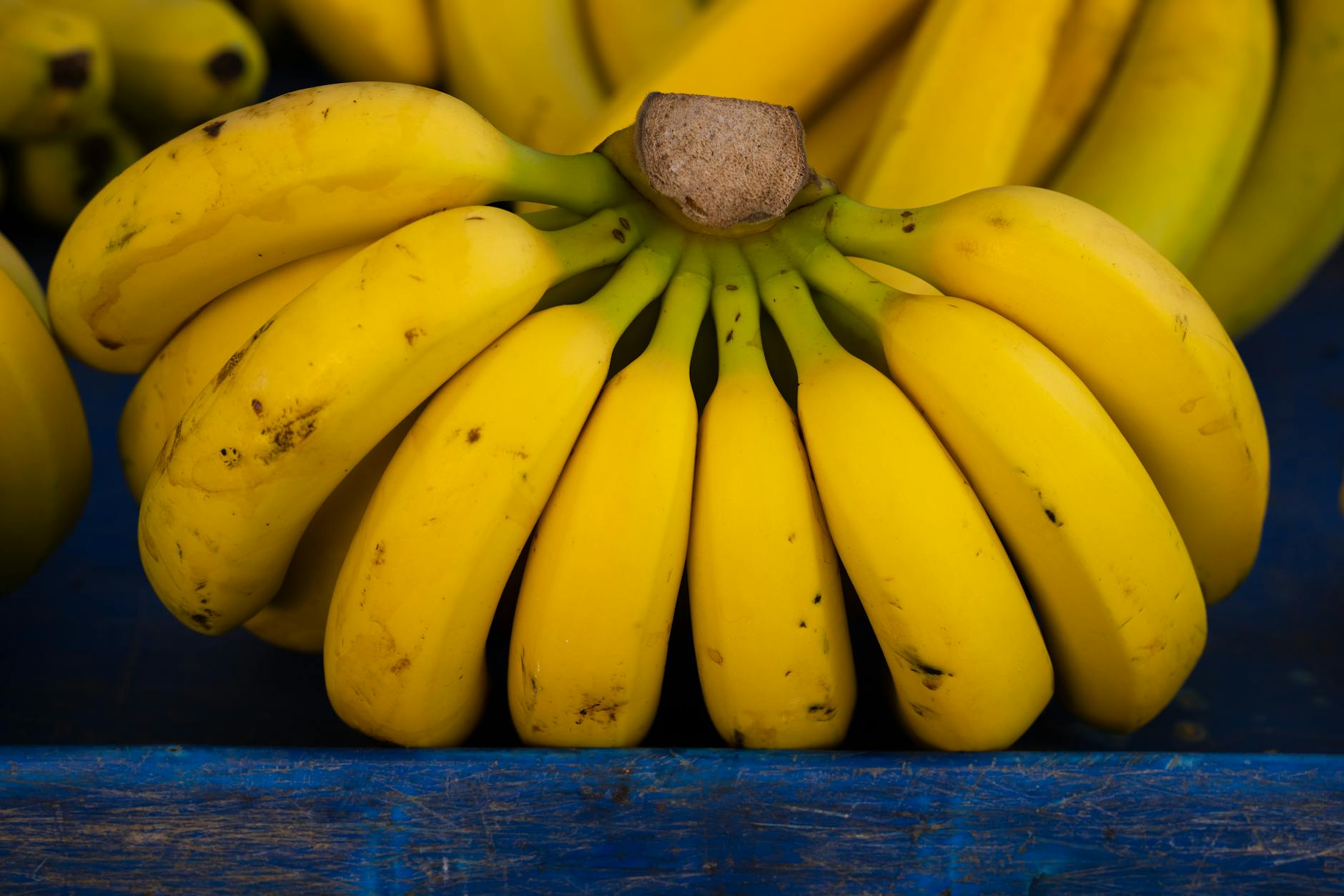
Bananas are probably the first food that comes to mind when you think about potassium. One medium banana provides about 422 milligrams of this essential mineral. They also deliver vitamin B6 and natural fiber, making them a well-rounded snack. Bananas are easy to toss into a bag, blend into smoothies, or slice over oatmeal. Their natural sweetness satisfies cravings without added sugar. For a quick post-workout recovery snack, pairing a banana with a handful of nuts offers both potassium and protein in one simple combo.
3. Spinach
Dark leafy greens pack a serious nutritional punch, and spinach leads the group when it comes to potassium. A single cooked cup contains around 840 milligrams. Cooking spinach actually concentrates its mineral content since so much water evaporates during the process. Spinach is also rich in magnesium, iron, and vitamins A and K. Sautéing it lightly with garlic and olive oil creates a simple side dish that pairs well with almost any protein. Adding a handful to soups or omelets is another effortless way to work this leafy green into your routine.
4. Plain Yogurt
Dairy products are often underrated as potassium sources. According to the NIH, foods higher in potassium include milk and yogurt alongside fruits and vegetables. One cup of plain, low-fat yogurt provides roughly 580 milligrams of potassium. It also delivers calcium and gut-friendly probiotics. Choosing plain varieties over flavored ones helps you avoid unnecessary added sugars. Top your yogurt with sliced bananas or dried apricots for a potassium-packed breakfast or afternoon snack.
5. Salmon
Salmon isn’t just famous for its omega-3 fatty acids. A six-ounce fillet of cooked salmon serves up approximately 800 milligrams of potassium. Clinical evidence shows that omega-3s may work alongside potassium to support cardiovascular health, making salmon a double win for your heart. Wild-caught varieties tend to have slightly higher mineral content than farmed options. Grilling or baking salmon with a squeeze of lemon keeps the preparation simple and the nutrients intact. Aim to include fatty fish like salmon in your meals at least twice a week.
6. Avocados
Creamy and nutrient-dense, avocados are among the richest plant sources of potassium available. One whole avocado contains nearly 975 milligrams, surpassing what you’d get from a banana. They’re also loaded with heart-healthy monounsaturated fats and dietary fiber. Research suggests these healthy fats may help improve cholesterol levels over time. Avocados work beautifully in salads, on toast, or blended into smoothies for extra creaminess. Even half an avocado at lunch can make a meaningful contribution to your daily potassium goals.
7. White Beans
Legumes are nutritional all-stars, and white beans stand out for their exceptional potassium content. One cooked cup delivers around 1,000 milligrams of potassium along with generous amounts of fiber and plant-based protein. The NIH notes that beans and peas are among the protein foods higher in potassium. White beans also provide iron and folate, making them especially valuable for people following vegetarian or vegan diets. Toss them into soups, stews, or salads for a hearty and satisfying potassium boost.
8. Dried Apricots
Drying fruit concentrates its nutrients, and apricots are a perfect example. Just half a cup of dried apricots offers roughly 755 milligrams of potassium. They also provide iron, fiber, and antioxidants that may help protect cells from damage. Their naturally sweet and tangy flavor makes them a great alternative to candy or processed snacks. Keep a small bag in your desk drawer or gym bag for an easy on-the-go option. Just be mindful of portion sizes since dried fruits are calorie-dense and sometimes contain added sugars.
9. Coconut Water
Sometimes getting more potassium is as easy as changing what you drink. One cup of coconut water provides approximately 600 milligrams of potassium with relatively few calories. It’s a natural source of electrolytes, which is why it’s become a popular alternative to sugary sports drinks. Research suggests coconut water may help with hydration during light to moderate exercise. Look for brands with no added sugars or artificial flavors for the cleanest option. Sipping coconut water after a workout or on a hot day is a refreshing way to replenish this vital mineral.
10. Tomato Sauce
Processed tomato products like sauce and paste are surprisingly potassium-rich. One cup of tomato sauce contains around 730 milligrams of potassium. Research indicates that approximately 43 percent of potassium intake comes from top food categories including fruit and vegetables, and tomato-based foods are major contributors. Cooking tomatoes actually increases the bioavailability of certain nutrients like lycopene. Using homemade or low-sodium tomato sauce over pasta, in chili, or as a base for soups is a simple kitchen habit that adds both flavor and nutrition to everyday meals.
Getting enough potassium doesn’t require supplements or drastic changes to your diet. By incorporating a mix of these nutrient-dense foods — from potatoes and beans to yogurt and salmon — you can steadily work toward your daily needs. Start by adding just one or two of these options to your next grocery trip and build from there.
Medical Disclaimer: This article is for informational purposes only and does not constitute medical advice. Always consult a qualified healthcare professional before making health decisions.




