Zinc is an essential mineral involved in over 300 enzyme reactions in your body, yet research suggests that nearly 15 percent of the global population may not get enough of it. From immune defense and wound healing to DNA synthesis and taste perception, this trace mineral punches well above its weight. Knowing which foods high in zinc to include in your meals can make a meaningful difference in your overall health.
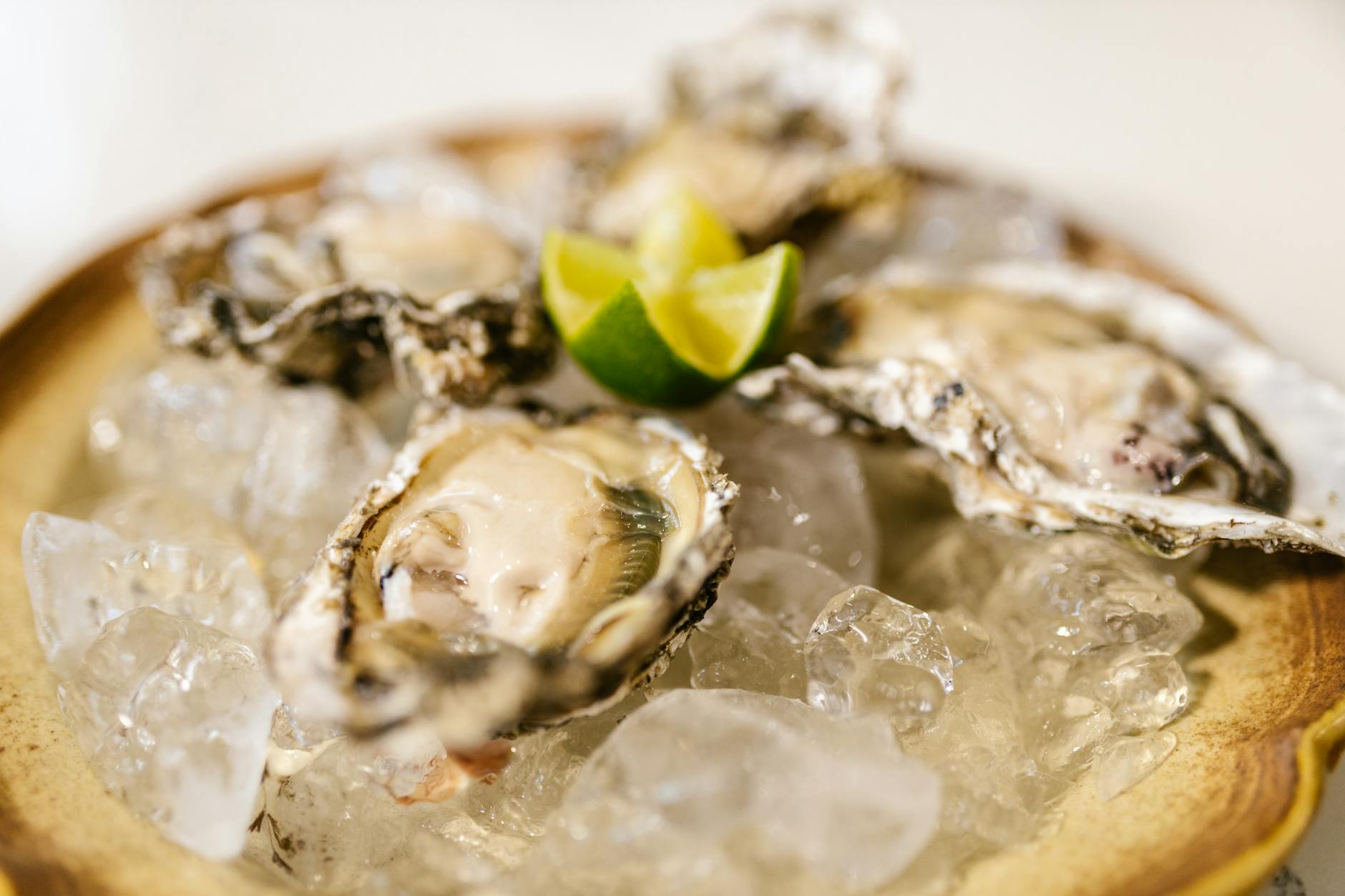
1. Oysters
No food on earth delivers more zinc per serving than oysters. Just three ounces of cooked oysters can provide well over 100 percent of the daily recommended intake. According to NIH, oysters top every zinc ranking among commonly consumed foods. They are also rich in vitamin B12, selenium, and omega-3 fatty acids. Whether you enjoy them raw on the half shell, grilled, or baked, oysters are a nutritional powerhouse. Even adding them to your diet once or twice a month can give your zinc levels a significant boost. If raw shellfish makes you nervous, steaming them lightly preserves most of the mineral content while reducing food safety concerns.
2. Beef
Beef is one of the most widely available and reliable sources of dietary zinc. A three-ounce serving of braised beef chuck provides roughly 7 milligrams of zinc. That covers about 64 percent of the daily value for most adults. As Harvard Health notes, nonvegetarian foods like beef rank among the highest sources of this mineral. The zinc in red meat is also highly bioavailable. This means your body absorbs it more efficiently than zinc from plant sources. Choosing lean cuts like sirloin or round steak keeps saturated fat in check while still delivering a strong zinc dose.
3. Alaskan King Crab
Crab may seem like a special-occasion food, but it deserves a regular spot on your plate. A single three-ounce portion of Alaskan king crab provides roughly 6.5 milligrams of zinc. That is more than half the daily recommended amount for adults. Crab also offers high-quality protein with very little fat. It is a particularly good choice for people watching their calorie intake. Research from Harvard T.H. Chan School of Public Health lists crab among the top animal-based zinc sources. Try it steamed with a squeeze of lemon for a simple, nutrient-dense meal that supports your immune system.
4. Pumpkin Seeds
Pumpkin seeds are a plant-based zinc standout that deserves more attention. Just one ounce of roasted pumpkin seeds provides about 2.2 milligrams of zinc. They are also packed with magnesium, healthy fats, and fiber. This makes them a well-rounded snack for heart and gut health alike. Unlike some plant foods, pumpkin seeds have moderate bioavailability for zinc. Soaking or roasting them can help reduce phytates, compounds that interfere with mineral absorption. Toss them into salads, blend them into smoothies, or simply eat them by the handful for a convenient zinc boost throughout the day.
5. Fortified Breakfast Cereals
Many people overlook breakfast cereals when thinking about foods high in zinc. However, many popular brands are fortified with significant amounts of this mineral. A single serving can provide 25 to 100 percent of the daily value, depending on the brand. This makes fortified cereals especially useful for vegetarians and vegans who may struggle to meet zinc requirements from whole foods alone. Check the nutrition label carefully, because sugar content varies widely. Choosing whole-grain varieties with minimal added sugar gives you the zinc benefit along with fiber and B vitamins. Pair your cereal with milk or yogurt for an extra mineral boost at the start of your day.
6. Lobster
Lobster is another shellfish that quietly delivers impressive zinc content. A three-ounce serving of cooked lobster contains around 3.4 milligrams of the mineral. That is roughly 31 percent of the daily value for adults. Lobster is also low in fat and high in protein, making it a lean choice for those focused on body composition. The selenium in lobster works alongside zinc to support antioxidant defenses throughout the body. While it may carry a higher price tag, even occasional servings contribute meaningfully to your mineral intake. Consider lobster tails as a weeknight treat paired with vegetables for a balanced, zinc-rich dinner.
7. Lentils
Lentils are among the best plant-based sources of zinc and a staple in many cuisines worldwide. One cup of cooked lentils provides about 2.5 milligrams of zinc along with 18 grams of protein. They are also loaded with folate, iron, and dietary fiber. Studies suggest that regular legume consumption supports healthy blood sugar management and cardiovascular health. The main challenge with lentils is phytic acid, which can reduce zinc absorption. Soaking dried lentils before cooking and pairing them with vitamin C-rich foods like tomatoes or bell peppers can improve how much zinc your body actually takes in. A hearty lentil soup makes a simple, budget-friendly way to increase your zinc intake.
8. Cashews
Cashews are a creamy, satisfying nut that doubles as a solid zinc source. One ounce of dry-roasted cashews provides about 1.6 milligrams of zinc. They also contain copper, magnesium, and heart-healthy monounsaturated fats. Clinical evidence shows that nut consumption is linked to improved cholesterol markers and reduced inflammation. Cashews work well as a standalone snack or blended into dairy-free sauces and dressings. Because they are calorie-dense, sticking to a one-ounce portion keeps energy intake in check. Keeping a small bag of cashews at your desk offers a convenient way to sneak more zinc into your daily routine without much effort.
9. Chicken and Turkey
Poultry is a practical, everyday source of zinc that fits into almost any eating pattern. A three-ounce serving of dark-meat chicken or turkey breast provides between 2 and 3 milligrams of zinc. Dark meat tends to be slightly richer in zinc than white meat, though both contribute meaningfully. According to Mayo Clinic, turkey breast ranks among the excellent food sources of zinc. Poultry is also high in protein and B vitamins while staying relatively low in saturated fat. Roasting a whole chicken on the weekend gives you multiple meals worth of zinc-rich protein for the days ahead.
10. Yogurt and Cheese
Dairy products like yogurt and cheese often fly under the radar as zinc sources. One cup of plain low-fat yogurt provides about 1.7 milligrams of zinc. An ounce of cheddar cheese adds roughly another milligram. Beyond zinc, dairy delivers calcium, probiotics, and high-quality protein that support bone and gut health. The fermentation process in yogurt may actually improve mineral absorption compared to unfermented dairy. Choosing plain varieties without added sugars keeps the nutritional profile clean. Pairing Greek yogurt with pumpkin seeds creates a snack that combines two of the best zinc sources on this list in one delicious bowl.
Getting enough zinc does not require exotic superfoods or expensive supplements for most people. By incorporating a variety of these foods into your weekly meals, you can support your immune system, skin health, and cellular function naturally. Start by adding one or two new options from this list to your next grocery run and build from there.
Medical Disclaimer: This article is for informational purposes only and does not constitute medical advice. Always consult a qualified healthcare professional before making health decisions.




