Pale gums and a bizarre craving for crushed ice usually tip me off long before the lab prints out a result. People walk into my office exhausted. They clutch lists of internet spinach recipes, genuinely confused why they still feel like they are trudging through wet cement. The problem is rarely just the raw amount of iron on your plate.
1. The Organ Meat Nobody Wants
“I’m just tired from the kids,” a mother of three told me last Tuesday. She was rubbing the back of her neck. But her lower eyelids were practically translucent, lacking any pink tissue whatsoever. I knew her ferritin was empty before I ordered the draw. General practitioners often just throw an over-the-counter sulfate pill at that kind of fatigue and call it a day. A specialist has to look at the actual gut mechanics. Beef liver is the heaviest hitter we have. It delivers heme iron in a matrix of vitamin A and copper. Your bone marrow simply cannot synthesize new red blood cells without those exact cofactors. The textbook presentation of anemia features dramatic fainting spells and overt breathlessness. In the exam room, it is just this grinding, endless heavy feeling that creeps up over months. Liver bypasses the usual absorption roadblocks in your gut. Most articles online will tell you that a big bowl of spinach is your best bet. That framing misses the point entirely. Plant iron is tightly bound and stubbornly hard to extract. Heme iron from a ruminant animal slides right through the intestinal mucosa. A few ounces a week is all it takes to force a shift. I usually advise patients to hide it in ground beef if the taste gags them. And it works fast.
2. Bivalves From Cold Water
Clams pack a massive payload of iron. Gram for gram, they completely outcompete standard red meat. You do not need to eat a bucket of them either. A small serving of canned baby clams stirred into pasta provides more than enough raw material for your marrow. (They also bring a huge dose of B12, which prevents a different kind of anemia entirely). Boiling them in an acidic tomato sauce helps free up the minerals even further.
3. The Legume That Requires Strategy
Lentils are cheap and dense with non-heme iron. Do they work on their own? No. You have to pair them correctly to get anywhere. Plant sources contain phytic acid, a compound that aggressively binds to minerals and escorts them straight out of your digestive tract. Soaking your lentils overnight neutralizes a good portion of that acid. Boiling them until they fall apart helps too. But you absolutely must have an acid on the plate. Squeezing half a lemon over your bowl changes the chemical valence of the iron. That tiny electrical shift from ferric to ferrous iron makes the molecule recognizable to your intestinal receptors. I see vegans struggling with depletion all the time because they eat bowls of dry lentils and rice with zero vitamin C.
4. The Cacao Content Matters
Milk chocolate does absolutely nothing for your blood. You need the bitter stuff. Cacao hovering around eighty percent or higher carries a decent trace of iron. It is not a primary source. But snacking on a dark bar after dinner adds a slow trickle of minerals to your daily intake. Just avoid drinking a glass of cold milk with it. Calcium actively blocks iron uptake in the gut.
5. Roasted Seeds Out of the Shell
We rarely think about seeds as blood builders. Pepitas carry an unbelievable amount of iron packed into a tiny volume. You can eat them by the handful. Raw seeds hold their nutritional payload under lock and key. Roasting them breaks down the cellular walls just enough to make the minerals bioavailable. Throwing them into a salad with bell peppers is a classic trick. The heavy vitamin C content in those peppers physically unlocks the iron inside the roasted seeds. Patients often ask why their trail mix isn’t moving the needle on their blood work. It is usually because they are eating seeds alongside almonds, which are packed with oxalates that inhibit absorption. You have to isolate your iron sources from your inhibitors.
6. A Byproduct of Sugar Refining
“It tastes like burnt pennies,” an older gentleman complained to me last month. He was not wrong. Blackstrap molasses is thick, bitter, and loaded with concentrated minerals left behind when sugarcane is boiled down. It is an old-school remedy. Grandmothers used to give it to pregnant women by the spoonful. A single heavy tablespoon delivers a dense hit of iron, calcium, and magnesium. You cannot just eat it raw without grimacing. Stirring it into warm water with a slice of ginger makes it tolerable. People with sluggish bowels often find it helps them stay regular, which is a nice side benefit since prescription iron pills usually cause severe constipation.
7. Zinc and Iron in One Shell
Oysters are a nutritional anomaly. They pull heavy concentrations of trace minerals straight from the ocean floor. Most people eat them for the zinc. But their iron profile happens to be incredibly bioavailable. When you swallow an oyster, you are getting heme iron without the heavy saturated fat load that comes with a ribeye. The digestive process here is almost entirely passive. Your body recognizes the animal tissue and absorbs the payload seamlessly. Why some patients absorb marine iron better than mammalian iron is not fully understood yet. We just know that it happens. I had a patient with chronic gut inflammation who could not tolerate beef or supplements at all. Her ferritin hovered in the single digits for two years. We switched her to eating two tins of smoked oysters a week. Her lab numbers finally climbed out of the basement in just eight weeks. The canned varieties are just as effective as the fresh ones served on ice at fancy restaurants. They are also much cheaper. You just have to watch the sodium content if your blood pressure runs high. It is a strange intervention. But medicine is mostly about finding what your unique gut will tolerate. I prefer patients buy oysters packed in water or olive oil rather than cheap seed oils. That keeps the inflammatory load down while the marrow does its rebuilding work.
8. Fermented Soy Blocks
Soybeans are naturally rich in iron. Processing them into tofu actually concentrates the mineral content further. Firm tofu acts like a sponge for whatever marinade you put it in. If you use an acidic base like rice vinegar or citrus, you automatically boost the absorption potential. Tempeh is even better. The fermentation process breaks down the phytic acid beforehand. Your stomach does not have to work as hard to access the nutrients. I always recommend cooking these blocks in cast iron pans.
9. The Pan Itself
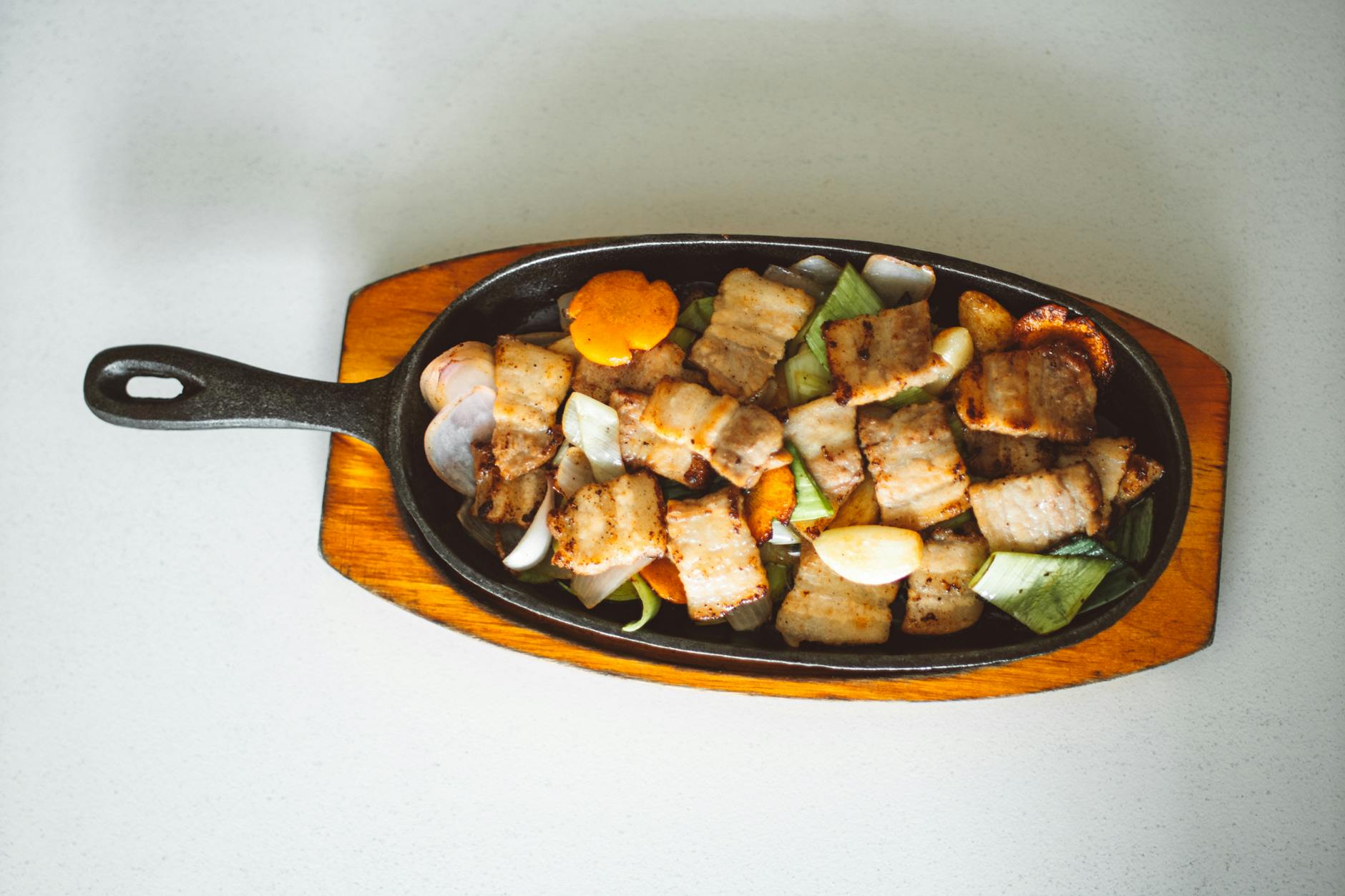
This is not a food. But it changes the food you eat. Cooking a tomato sauce in a raw cast iron skillet leaches actual dietary iron into your meal. The longer the food simmers, the more minerals it absorbs.
It is a passive, almost accidental way to supplement.
You do not get massive doses this way. But over the course of a year, the baseline intake rises. Fancy enamel-coated pans absolutely do not work for this trick. It has to be the bare, seasoned metal. The acidity of the food strips microscopic particles of iron from the pan surface. Your body can utilize those particles. It is how our grandparents kept their blood strong without ever walking down a supplement aisle.
10. Tiny Fish With the Bones
Nobody likes opening a tin of sardines in a crowded breakroom. They are pungent and oily. But they also happen to be a flawless delivery system for heme iron. You eat the whole animal. The bones, the organs, the muscle tissue. That provides a complete profile of fat-soluble vitamins that help transport minerals across your gut lining. Mashing them up with mustard cuts the fishy taste completely. The vinegar in the mustard also provides the acid needed for extraction. People avoid them because of the texture. You have to get over that. Just eat them on a dry cracker.
Rebuilding depleted ferritin stores is a grindingly slow process that takes months of dietary discipline. Stop looking for an overnight supplement fix. You have to feed your marrow what it can actually absorb, every single day, until the lab work catches up.
Medical Disclaimer: This article is for informational purposes only and does not constitute professional medical advice. Always consult a qualified healthcare professional before making changes to your health routine.




