Most American adults fall short of the recommended daily potassium intake, which sits around 2,600 to 3,400 milligrams depending on age and sex. This mineral plays a critical role in regulating blood pressure, supporting muscle contractions, and keeping your heart rhythm steady. The good news is that many everyday foods with potassium can help you reach your daily target without supplements.
1. Baked Potatoes
A single medium baked potato with its skin delivers roughly 900 milligrams of potassium. That is nearly a quarter of most adults’ daily needs in one side dish. Research demonstrates that potatoes are the highest dietary source of potassium and that adequate intake is important for heart and bone health. Baking or roasting preserves more potassium than boiling, which leaches minerals into the water. Try topping a baked potato with plain Greek yogurt and chives for a filling, nutrient-dense meal.
2. Bananas
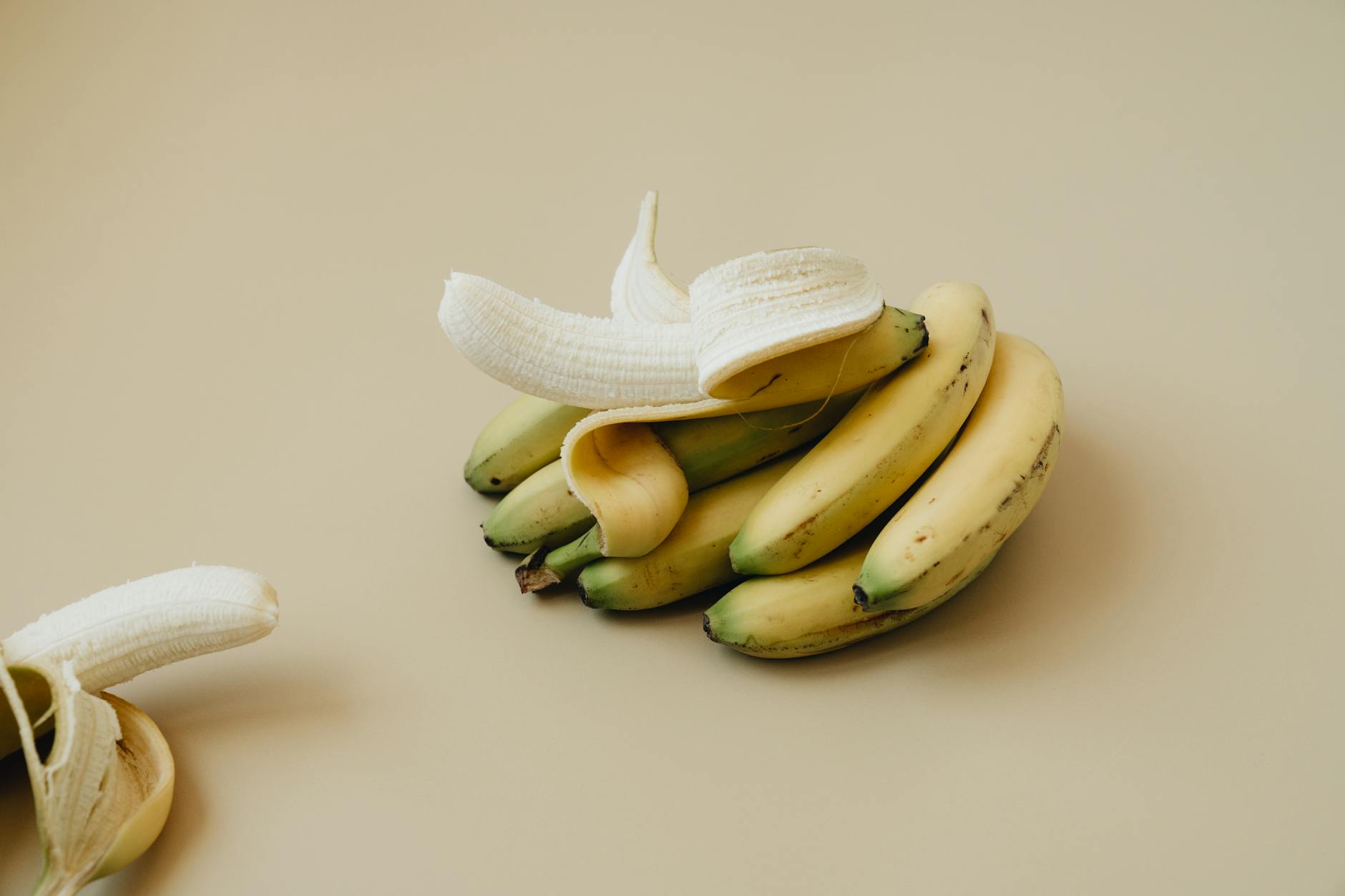
Bananas are probably the most famous potassium source, and for good reason. One medium banana contains about 422 milligrams of the mineral. They are also naturally portable and require zero preparation. Beyond potassium, bananas provide quick-digesting carbohydrates that make them a solid pre-workout snack. Slice one into your morning oatmeal or blend it into a smoothie for an easy potassium boost.
3. Sweet Potatoes
Sweet potatoes rival their white counterparts when it comes to potassium content. One medium sweet potato offers around 540 milligrams along with generous amounts of beta-carotene. Their natural sweetness makes them appealing to kids and adults alike. Research suggests that diets rich in potassium-dense vegetables like sweet potatoes may help support healthy blood pressure levels over time. Roast cubed sweet potatoes with a drizzle of olive oil and a pinch of cinnamon for a simple side.
4. Spinach
Cooked spinach is a potassium powerhouse, packing about 840 milligrams per cup. Cooking actually concentrates the mineral because it reduces the volume of the leaves significantly. Spinach also provides iron, magnesium, and folate in a low-calorie package. Studies indicate that diets rich in fruits and vegetables are correlated with higher magnesium, calcium, fiber, and vitamin C content alongside cardiovascular benefits. Toss a handful of spinach into soups, scrambled eggs, or pasta sauces to increase your intake effortlessly.
5. White Beans
White beans — including cannellini and navy varieties — are among the richest plant-based sources of potassium. Just one cup of cooked white beans provides approximately 1,000 milligrams. They are also loaded with fiber, plant protein, and slow-releasing carbohydrates. This combination helps keep you full and supports steady blood sugar levels. Add white beans to salads, stews, or blend them into a creamy dip as a nutritious alternative to hummus.
6. Avocados
Avocados contain roughly 975 milligrams of potassium per whole fruit, surpassing bananas by a wide margin. Their creamy texture comes from heart-healthy monounsaturated fats. Clinical evidence shows that replacing saturated fats with unsaturated options may benefit cardiovascular health. Beyond potassium, avocados provide fiber, vitamin K, and folate. Spread half an avocado on whole-grain toast or dice it into a salad for a satisfying nutrient upgrade.
7. Salmon
A six-ounce fillet of wild-caught salmon delivers around 800 milligrams of potassium along with omega-3 fatty acids. This makes it a rare food that supports both mineral balance and heart health simultaneously. Omega-3s have been linked to reduced inflammation and improved cholesterol profiles. Salmon is also a high-quality protein source, making it excellent for muscle recovery. Aim for two servings of fatty fish per week as many nutrition guidelines recommend.
8. Dried Apricots
Dried apricots are a concentrated source of potassium, offering about 755 milligrams in just half a cup. Because the water has been removed, the minerals become more densely packed per serving. They also provide iron and vitamin A, which supports healthy vision. Keep in mind that dried fruits are higher in natural sugars and calories than their fresh versions. A small handful paired with almonds makes a balanced, portable snack for busy days.
9. Lentils
One cup of cooked lentils provides approximately 730 milligrams of potassium. Lentils are a staple in many traditional diets around the world, and research suggests the DASH diet significantly increases potassium consumption from beans, vegetables, and nuts while reducing blood pressure. They cook faster than most other legumes, requiring no soaking beforehand. Lentils are also rich in folate, plant protein, and dietary fiber. Try a simple lentil soup seasoned with cumin and lemon for a warming, potassium-rich meal.
10. Coconut Water
Coconut water has gained popularity as a natural sports drink, and its potassium content is a big reason why. One cup provides roughly 600 milligrams of the mineral along with natural electrolytes. It is lower in sugar and calories than most commercial sports beverages. Studies indicate that coconut water may help with rehydration after moderate exercise. Choose unsweetened varieties and check labels carefully, since some brands add significant amounts of sugar or flavorings.
Getting enough potassium does not require drastic dietary changes — it starts with choosing more whole foods like vegetables, legumes, and fruits at each meal. Try adding two or three of these options to your weekly grocery list and building meals around them. Small, consistent shifts in your eating habits can make a meaningful difference for your heart, muscles, and overall well-being.
Medical Disclaimer: This article is for informational purposes only and does not constitute medical advice. Always consult a qualified healthcare professional before making health decisions.




