Gallbladder problems affect roughly 20 million Americans, with gallstones being the most common issue. What you eat plays a surprisingly large role in how well your gallbladder functions and how comfortable you feel after meals. Following a thoughtful gallbladder diet can help you manage symptoms and potentially reduce your risk of complications.
1. Load Up on Fiber-Rich Foods
Dietary fiber is one of the most powerful allies for gallbladder health. It helps move bile acids through the digestive tract more efficiently, which may prevent cholesterol from building up in the gallbladder. Research indicates that higher intake of total, soluble, and insoluble dietary fiber is associated with a 44 to 56 percent lower risk of gallstone disease, especially among older and overweight individuals. Great sources include oats, lentils, beans, and vegetables like broccoli and Brussels sprouts. Try adding one extra serving of fiber-rich food to each meal as a starting point.
2. Choose Healthy Fats Over Saturated Ones
Your gallbladder needs some fat to function properly because fat triggers bile release. The key is choosing the right kinds. Olive oil, avocados, nuts, and fatty fish provide monounsaturated and omega-3 fats that support digestion without overwhelming your gallbladder. Saturated fats from fried foods, butter, and fatty cuts of meat can trigger painful symptoms and may contribute to gallstone formation. Swap out butter for olive oil when cooking, and you may notice a real difference in how you feel after meals.
3. Eat Plenty of Fruits and Vegetables
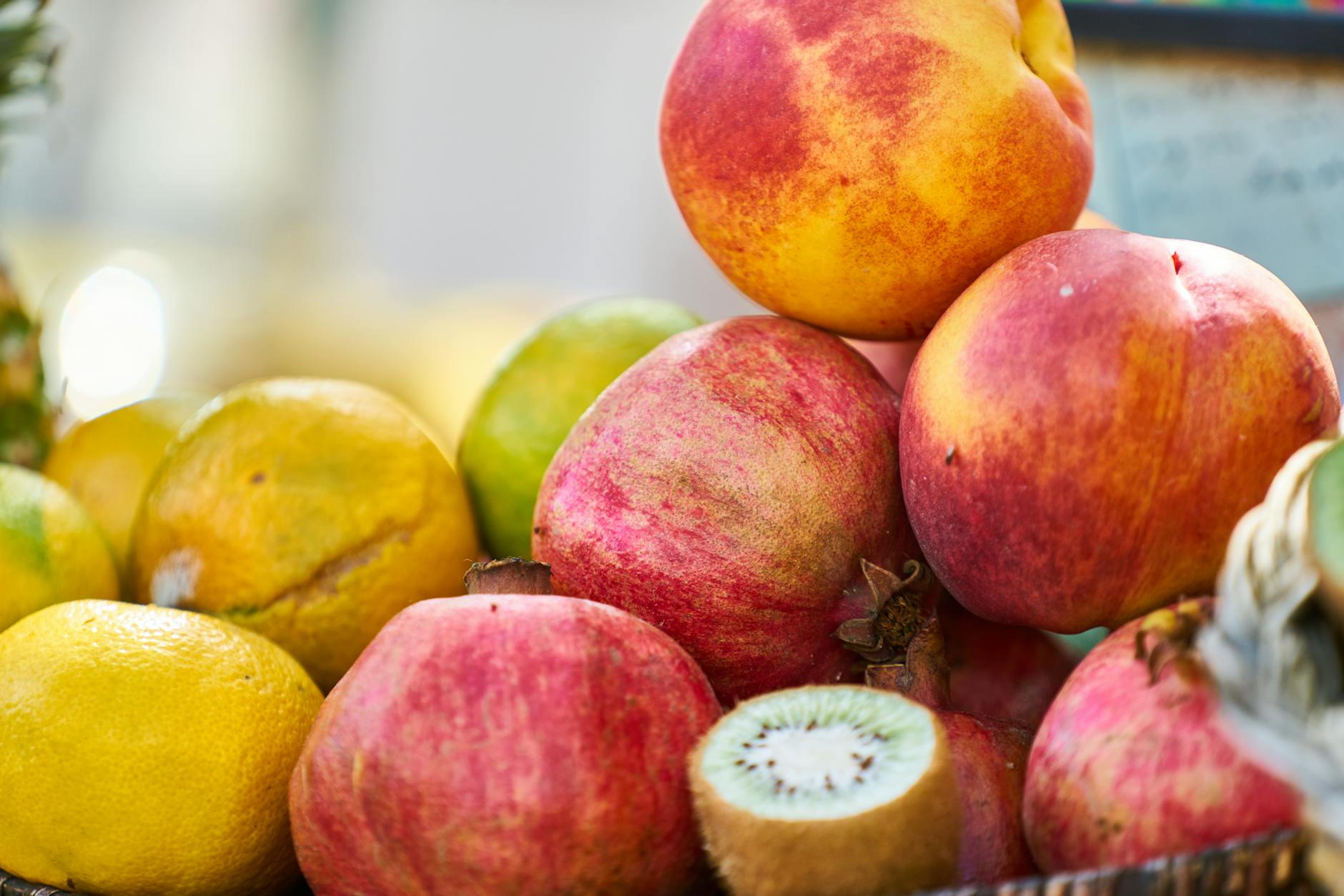
A colorful plate is a gallbladder-friendly plate. Fruits and vegetables are packed with antioxidants, vitamins, and fiber that support healthy bile production. Studies suggest that a dietary pattern high in fruits, vegetables, whole grains, and vegetable oil is associated with decreased risk of gallbladder disease. Leafy greens, bell peppers, citrus fruits, and berries are especially beneficial choices. Aim for at least five servings per day spread across your meals and snacks.
4. Cut Back on Refined Sugars
Sweet treats might taste good, but they can spell trouble for your gallbladder. Refined sugars contribute to elevated cholesterol in bile, which is a primary ingredient in most gallstones. Clinical evidence shows that simple sugars have a positive association with gallbladder disease risk. Sodas, candy, pastries, and sweetened cereals are among the biggest offenders. Replacing sugary snacks with whole fruit gives you natural sweetness plus the protective benefits of fiber.
5. Stick to Lean Protein Sources
Protein is essential, but the source matters when you are following a gallbladder diet. Lean options like chicken breast, turkey, fish, and plant-based proteins are easier for your digestive system to handle. Processed meats like bacon, sausage, and deli cuts are linked to higher gallbladder disease risk. Legumes and tofu offer excellent protein with the added bonus of fiber. Try building at least half your weekly meals around plant-based or lean animal proteins for the best results.
6. Embrace Whole Grains
Switching from refined grains to whole grains is one of the simplest changes you can make. White bread, white rice, and regular pasta have been stripped of their fiber and nutrients. Whole grains like brown rice, quinoa, whole wheat bread, and barley retain those beneficial components that help regulate bile cholesterol. They also keep you full longer, which helps with weight management. Start by swapping one refined grain product per day with its whole-grain equivalent.
7. Practice Smaller, More Frequent Meals
Large, heavy meals force your gallbladder to contract more intensely, which can trigger pain and discomfort. Eating smaller portions spread throughout the day keeps bile flowing at a steady, manageable rate. This approach is especially helpful for people who have already experienced gallbladder symptoms or had their gallbladder removed. Think of it as giving your digestive system a lighter workload. Try eating five to six small meals instead of three large ones to see if your symptoms improve.
8. Follow a Mediterranean-Style Eating Pattern
The Mediterranean diet consistently ranks among the healthiest eating patterns in the world, and your gallbladder agrees. This approach emphasizes olive oil, fish, vegetables, legumes, and whole grains while limiting red meat and processed foods. Research shows that higher adherence to the alternate Mediterranean diet and similar healthy eating patterns is linked to lower risk of symptomatic gallstone disease. You do not need to overhaul your entire kitchen overnight. Start by incorporating two or three Mediterranean-inspired meals each week and build from there.
9. Stay Well Hydrated
Water plays a quiet but important role in gallbladder health. Adequate hydration helps keep bile fluid and less likely to form stones. When bile becomes too concentrated, cholesterol crystals can develop and eventually grow into gallstones. Most adults should aim for eight to ten glasses of water daily, though individual needs vary based on activity level and climate. Carrying a reusable water bottle throughout the day makes it easy to stay on track without overthinking it.
10. Limit Processed and Fast Foods
Fast food and heavily processed meals tend to combine everything your gallbladder struggles with. They are typically high in saturated fat, refined carbohydrates, sugar, and sodium. These foods promote inflammation and can increase cholesterol saturation in bile. Studies consistently link unhealthy dietary patterns featuring processed meats and refined grains to higher gallbladder disease risk. Preparing simple meals at home using fresh, whole ingredients gives you far more control over what your gallbladder has to process each day.
A well-planned gallbladder diet does not require drastic changes or giving up the foods you love entirely. Small, consistent shifts toward more fiber, healthy fats, lean proteins, and whole foods can make a meaningful difference in how your digestive system feels. Start with one or two of these tips this week, and gradually build healthier habits that your gallbladder will thank you for.
Medical Disclaimer: This article is for informational purposes only and does not constitute medical advice. Always consult a qualified healthcare professional before making health decisions.




