Carbohydrates have gotten a bad reputation over the past two decades, but the truth is far more nuanced. The quality of the carbs you eat matters far more than the quantity, and choosing good carbohydrates can support everything from heart health to stable energy throughout the day. Understanding which carbs deserve a place on your plate is one of the simplest upgrades you can make to your diet.
1. Oats
Oats are one of the most accessible and nutrient-dense good carbohydrates you can eat. A single serving delivers a generous dose of beta-glucan, a soluble fiber that research suggests may help lower LDL cholesterol levels. Oats also have a relatively low glycemic index, meaning they release glucose into the bloodstream gradually rather than in a sharp spike. According to the Cleveland Clinic, complex carbohydrates from whole grains like oats provide steady energy and essential nutrients. Try steel-cut or rolled oats topped with berries for a satisfying breakfast that keeps you fueled all morning.
2. Sweet Potatoes
Sweet potatoes pack a powerful nutritional punch in a vibrant orange package. They are rich in complex carbohydrates, fiber, vitamin A, and potassium. Studies indicate that the fiber content in sweet potatoes helps slow digestion and supports healthy blood sugar management. Unlike white potatoes that are often deep-fried or loaded with butter, sweet potatoes taste naturally sweet and need very little added seasoning. Roasting them with a drizzle of olive oil and a pinch of cinnamon is a simple way to enjoy this versatile root vegetable at any meal.
3. Quinoa
Quinoa stands out among good carbohydrates because it is also a complete protein. That means it contains all nine essential amino acids your body cannot make on its own. One cooked cup provides roughly five grams of fiber and eight grams of protein, making it incredibly filling. Clinical evidence shows that whole grains like quinoa may support improved cardiovascular markers over time. Use quinoa as a base for grain bowls, toss it into salads, or swap it in wherever you would normally use white rice for a meaningful nutritional upgrade.
4. Lentils
Lentils are an affordable nutritional powerhouse that belongs in every pantry. They deliver a strong combination of complex carbs, plant-based protein, and dietary fiber. The CDC notes that healthy carbohydrates found in legumes like lentils increase blood sugar slowly due to their fiber and complex starch content. Research suggests that regularly eating lentils may be associated with a lower risk of type 2 diabetes. Red lentils cook in under 20 minutes, making them an easy addition to soups, stews, and curries any night of the week.
5. Brown Rice
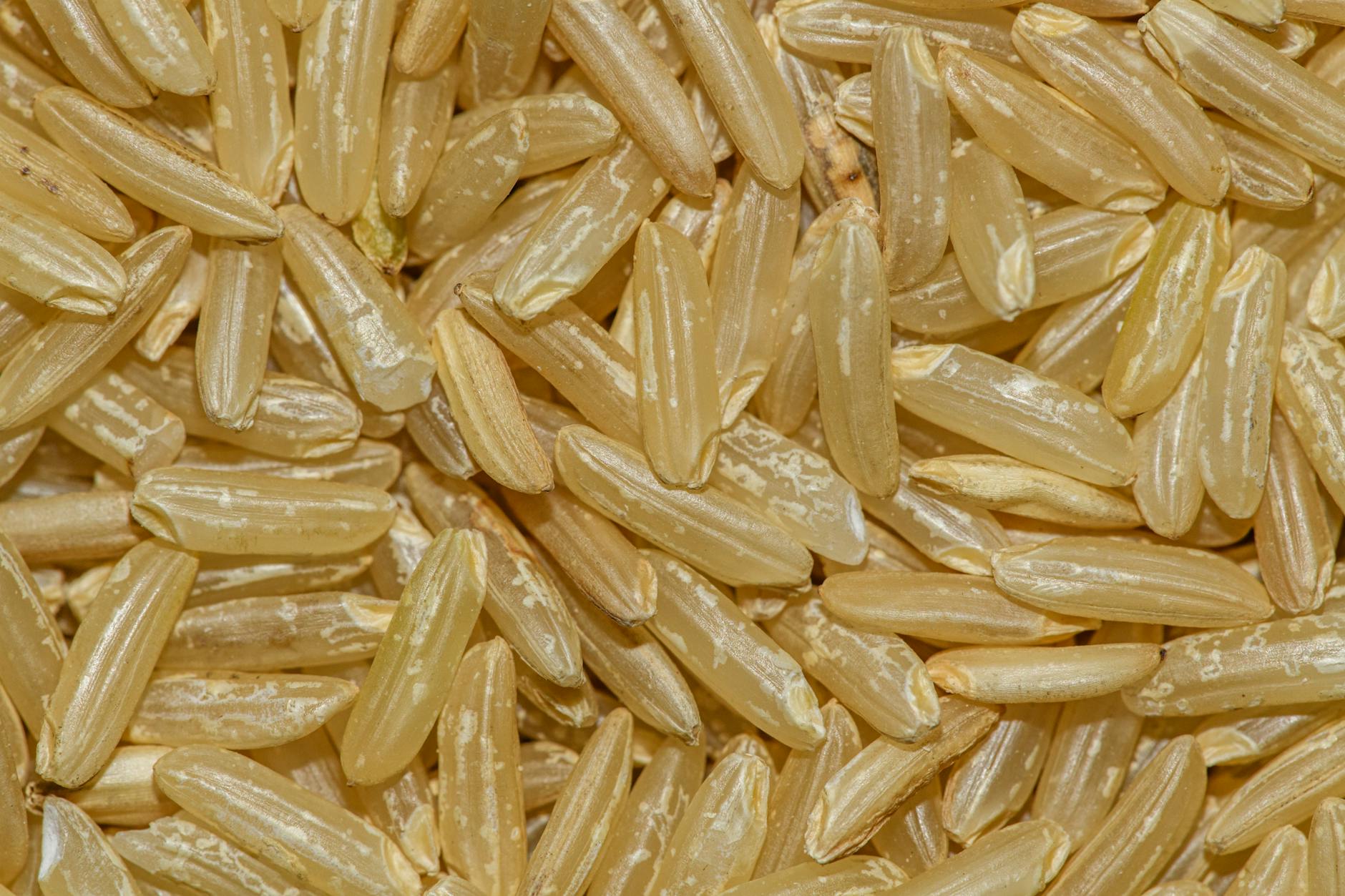
Brown rice is simply white rice with its bran and germ layers still intact. Those layers carry the fiber, B vitamins, and minerals that get stripped away during processing. According to Harvard Health, good carbohydrates from brown rice do not raise blood glucose quickly and support healthy eating when prioritized over refined carbs. A single cup of cooked brown rice contains about three and a half grams of fiber. Making the simple switch from white to brown rice at dinner is one of the easiest ways to improve your carbohydrate quality.
6. Chickpeas
Chickpeas are a staple in Mediterranean and Middle Eastern cuisines for good reason. They offer a satisfying blend of complex carbs, protein, and fiber that keeps hunger at bay for hours. Research suggests that regular legume consumption may support healthy weight management and improved blood sugar control. One cup of cooked chickpeas provides roughly 12 grams of fiber, which is nearly half the daily recommended intake for most adults. Enjoy them roasted as a crunchy snack, blended into hummus, or stirred into a hearty vegetable stew.
7. Berries
Blueberries, strawberries, raspberries, and blackberries rank among the best fruit sources of good carbohydrates. They are naturally lower in sugar than many other fruits while being exceptionally rich in antioxidants and fiber. Studies indicate that the polyphenols in berries may support brain health and reduce inflammation over time. A cup of raspberries contains about eight grams of fiber, which is impressive for such a small serving. Toss a handful into your morning oats, blend them into a smoothie, or simply eat them fresh as a naturally sweet snack.
8. Whole Wheat Bread
Not all bread is created equal. Whole wheat bread made from 100 percent whole grain flour retains the bran, germ, and endosperm of the wheat kernel. This means it delivers more fiber, B vitamins, and minerals compared to white bread. The American Heart Association recommends complex carbohydrates from whole grains for their slower glucose release and nutrient density. Check labels carefully because some breads marketed as wheat are actually refined flour with added coloring. Look for “100% whole wheat” as the first ingredient to ensure you are getting the real thing.
9. Bananas
Bananas are one of nature’s most convenient energy sources. They come in their own packaging and provide a quick-to-digest blend of natural sugars and starch alongside potassium and vitamin B6. Interestingly, the ripeness of a banana affects its carbohydrate profile. Greener bananas contain more resistant starch, which acts like fiber and feeds beneficial gut bacteria. Riper bananas have more simple sugars but are still a far better choice than processed snacks. Eating a banana before a workout can provide the quick fuel your muscles need without weighing you down.
10. Barley
Barley is an often-overlooked whole grain that deserves more attention. It contains one of the highest fiber counts among all cereal grains, with hulled barley offering about six grams per cooked cup. Research suggests that the beta-glucan fiber in barley may help reduce cholesterol and support cardiovascular health. Its chewy texture and mild, nutty flavor make it a wonderful addition to soups, grain salads, and risotto-style dishes. Choose hulled barley over pearled barley when possible, since the hulled variety retains more of its nutrient-rich outer layers.
Choosing good carbohydrates does not require a complicated plan or an expensive grocery list. By reaching for whole grains, legumes, fruits, and starchy vegetables more often, you give your body steady fuel and a wealth of protective nutrients. Start by swapping one refined carbohydrate in your daily routine for a whole-food option from this list and build from there.
Medical Disclaimer: This article is for informational purposes only and does not constitute medical advice. Always consult a qualified healthcare professional before making health decisions.




