Carbohydrates have gotten a bad reputation over the past two decades, but nutrition science tells a more nuanced story. The quality of carbs you eat matters far more than simply cutting them out, and choosing the right sources may support everything from heart health to sustained energy. Understanding which good carbs deserve a spot on your plate can make a real difference in how you feel every day.
1. Oats
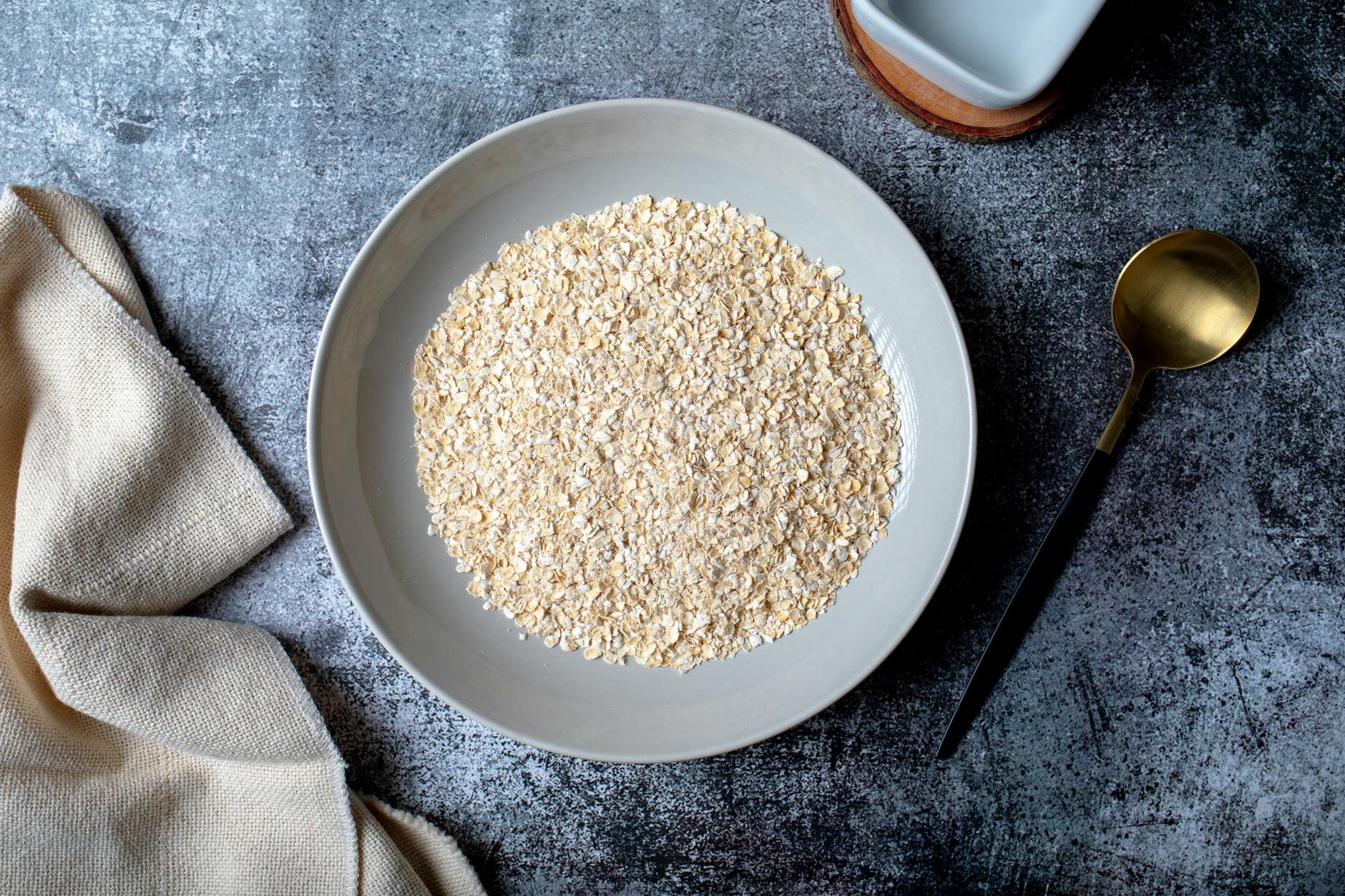
Oats are one of the most accessible and nutrient-dense good carbs you can eat. A single serving delivers a generous dose of beta-glucan, a soluble fiber that research links to healthier cholesterol levels and improved blood sugar response. Oats also provide B vitamins, iron, and magnesium, making them a well-rounded breakfast staple. Studies indicate that high-quality carbohydrates from whole grains and high-fiber sources are associated with reduced cardiometabolic disease risk. Steel-cut and rolled varieties tend to have a lower glycemic index than instant packets. Try topping a bowl of oatmeal with berries and nuts for a balanced morning meal.
2. Sweet Potatoes
Sweet potatoes offer a satisfying combination of complex carbohydrates, fiber, and beta-carotene. Their naturally sweet flavor makes them a crowd-pleasing side dish that pairs well with both savory and sweet preparations. The fiber in sweet potatoes helps slow digestion, which may prevent the sharp blood sugar spikes linked to refined carbs. They also supply potassium, vitamin C, and manganese. Baking or roasting sweet potatoes preserves more nutrients than boiling. Consider swapping regular fries for baked sweet potato wedges as a simple dietary upgrade.
3. Quinoa
Quinoa stands out among good carbs because it is also a complete protein, containing all nine essential amino acids. This ancient grain is naturally gluten-free and provides roughly five grams of fiber per cooked cup. Clinical evidence suggests that whole grain sources like quinoa support improved glucose control and healthier lipid profiles over time. Its mild, nutty flavor works well in salads, grain bowls, and even breakfast porridge. Rinse quinoa before cooking to remove its natural bitter coating called saponin. Keeping a batch in the refrigerator gives you a quick base for meals all week.
4. Lentils
Lentils are nutritional powerhouses that deliver complex carbohydrates, plant-based protein, and impressive amounts of fiber in every serving. Research suggests that carbohydrates from legumes, particularly those high in fiber and low glycemic index, may reduce cardiovascular disease risk and improve cholesterol levels. A single cup of cooked lentils provides about 16 grams of fiber, which supports gut health and satiety. They come in several varieties, including red, green, and black, each with a slightly different texture. Unlike dried beans, lentils need no soaking and cook in under 30 minutes. Add them to soups, stews, or salads for an easy nutrient boost.
5. Brown Rice
Brown rice retains its bran and germ layers, which is where most of its fiber, vitamins, and minerals live. Compared to white rice, it has a lower glycemic index and provides more magnesium, phosphorus, and B vitamins. Its chewy texture and earthy flavor make it a versatile base for stir-fries, burrito bowls, and casseroles. Cooking brown rice takes a bit longer than white varieties, but batch cooking solves that issue easily. Some research links regular whole grain consumption with better long-term metabolic health. Store cooked brown rice in the freezer for a convenient carb source on busy nights.
6. Black Beans
Black beans are a staple in many cuisines worldwide and for good reason. They are rich in complex carbohydrates, resistant starch, and soluble fiber that feeds beneficial gut bacteria. A half-cup serving also delivers about eight grams of protein, making them especially valuable for plant-based eaters. Their deep color comes from anthocyanins, antioxidant compounds also found in blueberries. Studies indicate that diets rich in legumes may support healthy blood pressure and cholesterol. Toss black beans into tacos, soups, or homemade veggie burgers for a filling, fiber-rich meal.
7. Bananas
Bananas are nature’s most convenient snack and one of the most popular good carbs around the world. They deliver natural sugars alongside potassium, vitamin B6, and prebiotic fiber that supports digestive health. Slightly green bananas contain more resistant starch, which acts similarly to fiber in the body. As bananas ripen, their sugar content increases and their starch decreases. This makes them a flexible choice for different dietary goals. Pair a banana with a handful of almonds or a spoonful of peanut butter to balance the carbohydrates with protein and healthy fat.
8. Whole Wheat Bread
Choosing whole wheat bread over refined white bread is one of the simplest swaps you can make for better carbohydrate quality. Genuine whole wheat bread uses the entire grain kernel, preserving fiber, B vitamins, and trace minerals that processing strips away. Research shows that high-carbohydrate, high-fiber diets may lead to significant weight loss, improved blood sugar markers, and better lipid profiles. Read ingredient labels carefully and look for “100% whole wheat” as the first ingredient. Many products labeled “multigrain” or “wheat” still rely heavily on refined flour. Two slices of true whole wheat bread can contribute meaningful fiber toward your daily goal.
9. Berries
Blueberries, strawberries, raspberries, and blackberries are among the most nutrient-dense fruit carbs available. They are relatively low in sugar compared to tropical fruits but loaded with antioxidants, vitamin C, and dietary fiber. A cup of raspberries alone contains about eight grams of fiber. Their vibrant pigments come from polyphenols that research links to reduced inflammation and better vascular health. Fresh or frozen, berries retain their nutritional value well. Sprinkle them over oatmeal, blend them into smoothies, or simply enjoy them as a refreshing snack between meals.
10. Chickpeas
Chickpeas round out this list as one of the most versatile good carbs in any kitchen. They provide a balanced mix of complex carbohydrates, plant protein, and both soluble and insoluble fiber. Chickpeas have a low glycemic index, meaning they release energy gradually rather than causing rapid blood sugar fluctuations. They are the star ingredient in hummus, falafel, and countless salad recipes. Roasted chickpeas also make a satisfying crunchy snack with far more nutritional value than chips. Keep canned chickpeas in your pantry for a quick way to add quality carbohydrates to virtually any meal.
Choosing good carbs does not mean following a complicated diet — it means reaching for whole, fiber-rich foods more often. Start by swapping one refined carb source per day with any option from this list. Small, consistent changes to your carbohydrate choices can add up to meaningful improvements in energy, digestion, and long-term health.
Medical Disclaimer: This article is for informational purposes only and does not constitute medical advice. Always consult a qualified healthcare professional before making health decisions.




