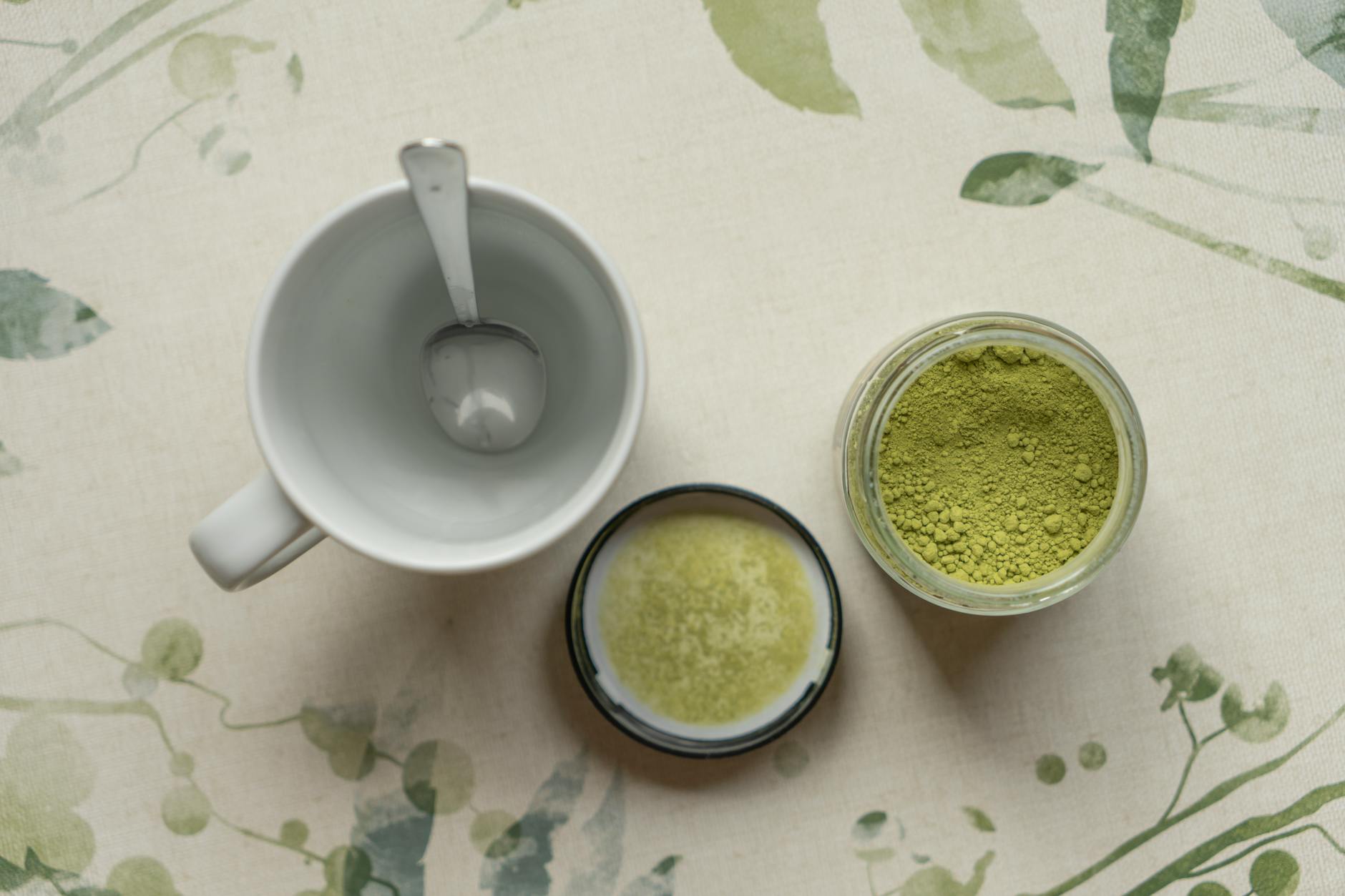
Millions of people worldwide reach for green tea each day, hoping it will help them shed stubborn pounds. While no single food or drink is a magic bullet for weight loss, research suggests green tea contains unique compounds that may offer modest but meaningful support. Understanding exactly how green tea works can help you decide whether it deserves a place in your routine.
1. It Contains EGCG, a Powerful Catechin
Epigallocatechin gallate, known as EGCG, is the star compound in green tea. This potent catechin belongs to a family of antioxidants called polyphenols. Research suggests that EGCG may influence how your body processes fat at the cellular level. A PubMed review found that daily green tea consumption with 100 to 460 milligrams of EGCG showed greater effectiveness on body fat and weight reduction over 12 or more weeks. The key takeaway is that consistency matters more than megadoses. Aim for two to three cups of brewed green tea daily to reach a helpful range of EGCG naturally, without relying solely on supplements.
2. It May Give Your Metabolism a Gentle Boost
Your metabolism determines how many calories you burn at rest. Green tea’s combination of catechins and caffeine appears to nudge this rate slightly upward. Studies indicate this thermogenic effect is modest but consistent across multiple trials. The increase may amount to burning an extra 75 to 100 calories per day in some individuals. That might sound small, but over weeks and months, those extra calories can add up. Pairing green tea with regular physical activity may amplify this metabolic effect even further.
3. It Supports Fat Oxidation During Exercise
Fat oxidation is your body’s process of breaking down fat molecules for energy. Clinical evidence shows green tea catechins may enhance this process, particularly during moderate exercise. When you sip green tea before a workout, you may be priming your body to tap into fat stores more efficiently. Some research suggests this effect is most noticeable during aerobic activities like walking, cycling, or jogging. Consider drinking a cup of green tea about 30 to 60 minutes before exercise to see if it makes a difference in your energy and performance.
4. It Provides Caffeine Without the Jitters
A typical cup of green tea contains roughly 30 to 50 milligrams of caffeine. That is significantly less than coffee but still enough to promote alertness and energy expenditure. Caffeine is a well-studied thermogenic compound that helps the body burn calories. Green tea also contains L-theanine, an amino acid that promotes calm focus. This combination delivers a smoother energy lift without the anxiety or crash that coffee sometimes causes. For those sensitive to stimulants, green tea offers a gentler pathway to caffeine’s weight management benefits.
5. It May Help Reduce Belly Fat Specifically
Visceral fat, the deep abdominal fat surrounding your organs, poses serious health risks. Research suggests green tea catechins may have a targeted effect on this type of fat. A PubMed analysis found that green tea catechins significantly decreased body weight with a mean reduction of 1.31 kilograms and helped maintain weight after loss. While no drink can spot-reduce fat on its own, the evidence points toward green tea being particularly helpful for abdominal fat when combined with a healthy diet. Focus on overall lifestyle changes while using green tea as one supportive tool.
6. It Can Help Maintain Weight After You Lose It
Losing weight is challenging, but keeping it off is often even harder. Many people regain lost pounds within a year of dieting. Green tea may play a helpful role in this maintenance phase. Its catechins appear to support continued energy expenditure even after active dieting ends. Research suggests the combination of EGCG and caffeine helps prevent the metabolic slowdown that commonly follows weight loss. Making green tea a daily habit, rather than a temporary fix, could be an easy strategy for long-term weight management.
7. It Offers a Low-Calorie Alternative to Sugary Drinks
One of the simplest ways green tea supports weight loss is by replacing high-calorie beverages. A single cup of unsweetened green tea contains virtually zero calories. Compare that to a flavored latte at 250 calories or a soda at 150 calories. Swapping just one sugary drink per day for green tea could eliminate over a thousand calories per week. This straightforward substitution requires no complicated diet plans. Keep a thermos of brewed green tea handy throughout the day to curb the temptation of reaching for something sweet.
8. Dosage Matters More Than You Think
Not all green tea intake is created equal when it comes to weight management. A PubMed meta-analysis found that green tea supplementation significantly reduced body weight by an average of 1.78 kilograms and BMI by 0.65 points, with greater effects observed at dosages under 500 milligrams per day over 12 weeks. Higher doses did not necessarily produce better results. This suggests a moderate, sustained approach is more effective than loading up on mega-dose supplements. Stick to three to four cups of brewed tea daily or a moderate supplement to stay within the most effective range.
9. It May Help Regulate Blood Sugar Levels
Blood sugar spikes and crashes often trigger hunger and cravings. Green tea polyphenols appear to improve insulin sensitivity, helping your body manage glucose more effectively. When blood sugar levels remain stable, you are less likely to experience intense cravings for sugary or starchy foods. Studies indicate that regular green tea drinkers tend to have lower fasting blood sugar levels. This indirect effect on appetite and cravings can make calorie control significantly easier. Drinking green tea with or between meals may help smooth out blood sugar fluctuations throughout the day.
10. Set Realistic Expectations for Results
Honesty about green tea’s limitations is just as important as understanding its benefits. A comprehensive PubMed review concluded that green tea preparations induced a small, statistically non-significant weight loss in overweight or obese adults, unlikely to be clinically important on its own. This does not mean green tea is useless for weight loss. It means green tea works best as one piece of a larger puzzle that includes balanced nutrition, regular exercise, quality sleep, and stress management. Think of it as a supportive habit, not a standalone solution.
Green tea offers several promising pathways to support your weight loss journey, from boosting metabolism and fat oxidation to helping you maintain results over time. The most effective approach is to incorporate two to four cups of unsweetened green tea into a balanced lifestyle that includes nutritious food and regular movement. Small, consistent habits like this tend to deliver the most lasting results.
Medical Disclaimer: This article is for informational purposes only and does not constitute medical advice. Always consult a qualified healthcare professional before making health decisions.




