Patients constantly ask me if fruit sugar is toxic. They sit on the exam table clutching diet logs, genuinely afraid of a piece of produce that humans have eaten for millennia.
1. The green stage metabolic buffer
General practitioners usually just tell you to eat a banana for potassium when you complain of cramps. Metabolic specialists look at the peel color. Green bananas carry a massive load of resistant starch. It behaves more like a fiber than a simple carbohydrate. Clinical data shows this green-stage starch actively improves insulin metabolism and stabilizes glucose. Digestion gets bypassed in the small intestine entirely. The starch pushes straight to the colon, where it actively feeds your bacterial colony. Fermenting this material produces short-chain fatty acids. Gut barriers physically tighten up when exposed to those acids. You end up with drastically reduced systemic inflammation.
2. The cellular voltage regulator
Medical textbooks teach that low potassium presents as severe muscle weakness or cardiac arrhythmias. That rarely walks into my clinic. What I actually see in the exam room is a patient complaining of a weird, persistent fluttering in their left eyelid. Or a restless leg that keeps them kicking the sheets at 2 AM. Potassium is an electrolyte that acts like a tiny battery across your cell membranes. It maintains the precise voltage needed for nerves to fire correctly and muscles to contract smoothly. When you sweat heavily or drink too much coffee, you lose that delicate electrical charge. A single banana delivers a steady dose of this mineral without the synthetic rush of a neon-colored sports drink. Do they actually fix an active muscle cramp instantly? No, the digestion takes too long. But eating them regularly builds a cellular buffer that prevents the misfire from happening in the first place. You are just keeping the electrical grid stable. If your nerves have the raw materials they require, they stop sending misfiring signals to your calves in the middle of the night. I often tell runners to stop buying expensive powders and just go to the produce aisle.
3. The spotty peel defense system
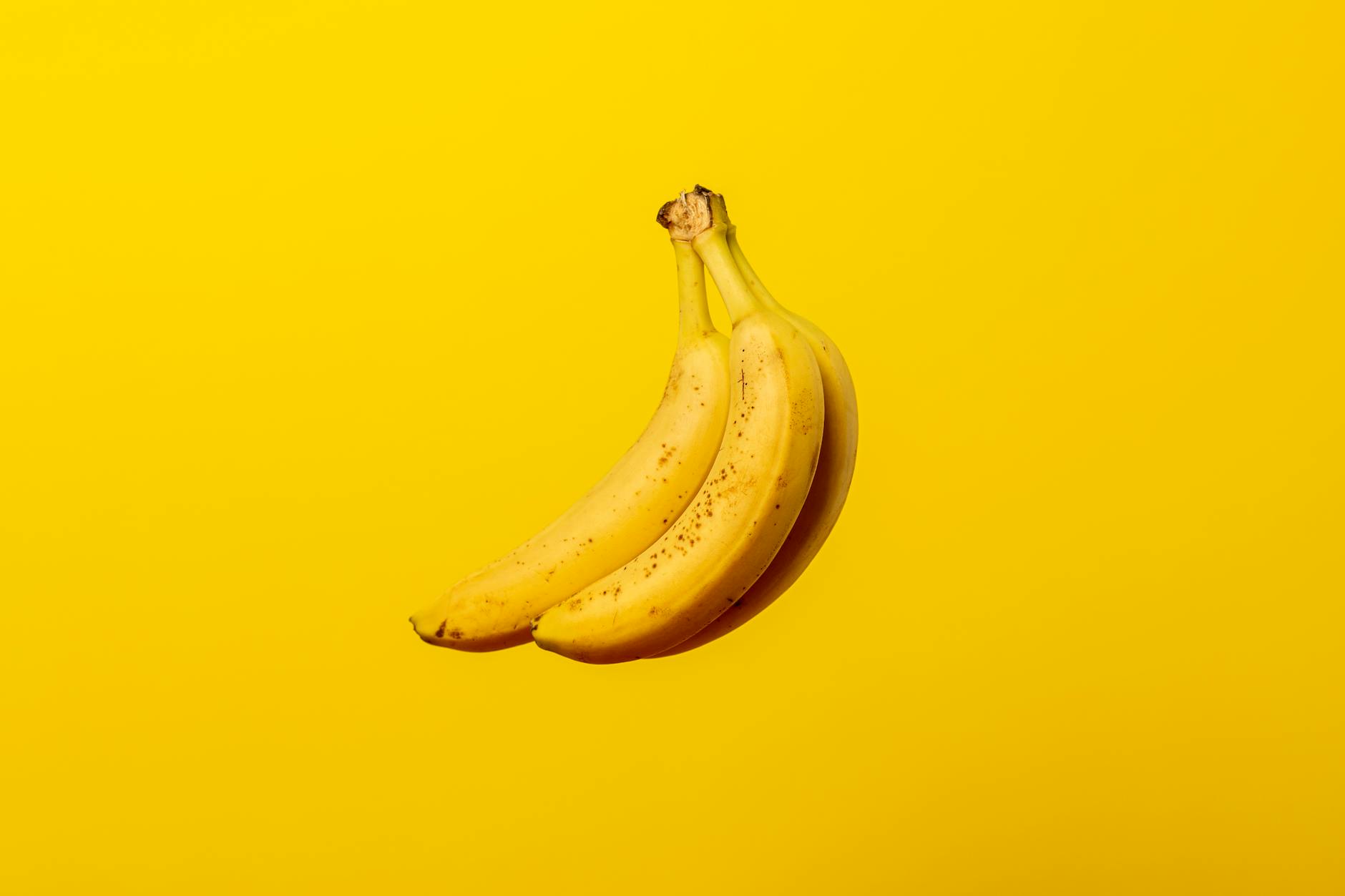
As the peel turns brown, the internal chemistry shifts entirely. Research demonstrates that these ripening stages produce distinct phenolic compounds with strong anti-inflammatory properties. The sugar content rises rapidly. But so does the antioxidant capacity. You are eating a very different biochemical package at day seven compared to day two. It becomes a rapid-delivery system for cellular repair.
4. The mid-morning blood sugar anchor
“My stomach feels like it’s eating itself by 10 AM.” A patient told me that last Tuesday. She was trying to survive on black coffee and sheer willpower until lunch. I told her to eat a banana at 9 AM. The soluble fiber in the pulp forms a gel in your stomach, slowing gastric emptying. We have solid evidence showing these exact dietary fibers suppress weight gain and improve lipid profiles by cultivating beneficial gut bacteria. And it stops the ghrelin spike that triggers frantic snacking. You feel full because your stomach mechanically stretches.
5. Feeding the colon’s ecosystem
Fructooligosaccharides are complex carbohydrates your body cannot break down. But the bacteria in your lower intestine thrive on them. By eating a banana, you’re quite literally tossing fertilizer onto your microscopic garden. We still don’t completely map how the gut microbiome translates these complex fibers into systemic mood shifts. We just know the correlation is undeniable. Serotonin precursors flood your system when that bacterial colony is healthy. (Which makes the whole fruit-sugar debate seem a bit silly when you look at the downstream effects…)
6. Glycogen replenishment without the crash
Most articles will tell you bananas are the ultimate pre-workout food. That framing misses the point. They’re actually a recovery tool. The mix of fructose and glucose rapidly refills liver and muscle glycogen after you deplete it. It stops the catabolic breakdown of muscle tissue dead in its tracks.
7. The natural antacid effect
I can usually spot silent acid reflux before I even look at a patient’s throat. They sit there constantly clearing their airway with a dry little hack. Their voice sounds slightly gravelly. They almost always think it’s seasonal allergies. I recognize the mucosal irritation from stomach acid creeping up the esophagus overnight, burning the delicate tissue while they sleep. Bananas are naturally low in acid and have a soft, dense texture. When you swallow one, it physically coats the esophageal lining. This offers a temporary mechanical barrier against hydrochloric acid. They also contain compounds that stimulate the stomach lining to produce a thicker mucus barrier. It’s a very simple, mechanical fix for a chemical problem. Patients who replace their morning orange juice with a banana often see their chronic cough vanish in a week. They are amazed. But it’s just basic plumbing and pH balancing. The fruit acts as a buffer. It neutralizes the hostile environment in the upper digestive tract without shutting down acid production entirely the way a proton pump inhibitor does. Your body still needs that acid to digest proteins. We just want to keep it in the stomach where it belongs.
8. Excreting sodium through the kidneys
High blood pressure is usually a story of too much sodium and too little potassium. The kidneys filter your blood constantly. They rely on a delicate balance of these two minerals to pull water out of your vessels and into your bladder. When potassium is low, your kidneys hold onto water. Blood volume goes up. Pressure against the arterial walls increases. Eating bananas forces the kidneys to excrete more sodium in the urine. A very mild, natural diuretic effect…
9. Antiproliferative action at the cellular level
Bioactive compounds in banana extracts demonstrate measurable antiproliferative activity across different cell lines. They trigger apoptosis. That simply means they force damaged cells to self-destruct before they can replicate out of control.
The ripeness dictates the metabolic response.
While nobody is claiming fruit cures malignancy, the daily introduction of these phytochemicals creates a hostile environment for abnormal cellular growth. It gives your immune system a slight edge. The antioxidants bind to free radicals. They neutralize them before they can damage your DNA.
10. The psychological relief of eating real food
“I read bananas are just sugar sticks that make you fat.” I hear this verbatim at least twice a month from patients exhausted by diet culture. They strip their meals of everything natural because an influencer told them fructose is poison. A medium banana has about 105 calories and a matrix of water, fiber, and micronutrients that takes your body time to unpack. The sugar is bound up in cellular walls. When you eat one, your liver processes the carbohydrates slowly. It doesn’t spike your insulin like a soda. It just feeds your brain.
Medical Disclaimer: This article is for informational purposes only and does not constitute professional medical advice. Always consult a qualified healthcare professional before making changes to your health routine.




