Every February, millions of Americans turn their attention to a small Pennsylvania town where Punxsutawney Phil emerges from his burrow to forecast the remaining weeks of winter. While the tradition is lighthearted, the themes behind it — seasonal change, sunlight exposure, hibernation, and spending time outdoors — carry real implications for human health. Here are ten wellness lessons this famous groundhog can inspire.
1. Sunlight Exposure Matters More Than You Think
The entire Groundhog Day ritual hinges on whether Punxsutawney Phil sees his shadow, which depends on sunlight. For humans, sunlight plays a critical role in producing vitamin D, a nutrient essential for bone health and immune function. Research suggests that during winter months, many people in northern latitudes develop insufficient vitamin D levels. Clinical evidence shows that even 10 to 15 minutes of midday sun exposure several times a week may help support healthy levels. If you live in a region with limited winter sunlight, consider asking your doctor about vitamin D testing and whether supplementation makes sense for you.
2. Seasonal Mood Changes Are Real
The reason people eagerly await an early spring is not just about warmer weather. Seasonal affective disorder, or SAD, affects an estimated five percent of adults in the United States, according to the American Psychiatric Association. Shorter days and reduced sunlight can disrupt serotonin and melatonin levels, contributing to low mood and fatigue. Light therapy boxes that mimic natural sunlight have shown promise in studies as an effective intervention. If you notice your mood dipping consistently during winter, bringing it up with a healthcare provider is a worthwhile first step.
3. Quality Sleep Is a Superpower
Groundhogs are champion sleepers, hibernating for months at a stretch. While humans obviously cannot do that, the underlying principle is sound. Sleep is when the body repairs tissues, consolidates memories, and regulates hormones. Studies indicate that consistently getting seven to nine hours of quality sleep may reduce risks associated with heart disease, obesity, and cognitive decline. Prioritizing a consistent bedtime and creating a cool, dark sleep environment are two simple ways to improve your nightly rest.
4. Spending Time Outdoors Boosts Mental Health
When Phil emerges from his burrow, he steps into the open air — and there is a health lesson in that simple act. Research published in journals like Environmental Health Perspectives suggests that spending time in nature may lower cortisol levels and reduce feelings of anxiety. Even brief outdoor walks during winter can lift your spirits. Bundle up and aim for at least 20 minutes outside each day, even if the weather is cold. Your nervous system may thank you for the change of scenery.
5. Seasonal Eating Supports Your Body
Groundhogs spend autumn eating heavily to prepare for winter dormancy. Humans can take a smarter approach by embracing seasonal produce. Winter vegetables like sweet potatoes, Brussels sprouts, and kale are packed with vitamins A, C, and K. Studies suggest that eating seasonally may increase nutrient density because produce picked at peak ripeness tends to retain more beneficial compounds. Visit a local farmers market or look for regional produce at your grocery store to take advantage of what is freshest and most nutritious during colder months.
6. Social Gatherings Improve Well-Being
Groundhog Day draws thousands of people together in Punxsutawney, Pennsylvania, each year. That sense of community connection is more than festive — it is healthy. Research from Brigham Young University suggests that strong social ties may be as important to longevity as quitting smoking or exercising regularly. Winter isolation can be particularly harmful to mental health. Making an effort to gather with friends, join a club, or attend community events during the colder months can provide a meaningful buffer against loneliness and depression.
7. Routine and Ritual Reduce Stress
Punxsutawney Phil’s annual appearance is nothing if not a reliable ritual. Humans thrive on routine as well. Studies in behavioral science indicate that predictable daily patterns can lower anxiety and improve emotional regulation. A morning routine that includes hydration, light movement, and a few minutes of mindfulness may set a positive tone for the rest of the day. You do not need anything elaborate — small, repeatable habits often create the most lasting impact on stress management.
8. Cold Weather Exercise Has Unique Benefits
February in Pennsylvania is frigid, yet the Groundhog Day celebration happens rain, snow, or shine. Exercising in cold weather may offer some distinct health advantages. Research suggests the body works harder to maintain core temperature in the cold, potentially burning more calories during outdoor workouts. Cold-weather activity has also been linked to improved cardiovascular endurance in some studies. Layer your clothing, protect your extremities, and stay hydrated. A brisk winter walk or jog can be refreshing and effective for both physical and mental fitness.
9. Paying Attention to Nature Supports Mindfulness
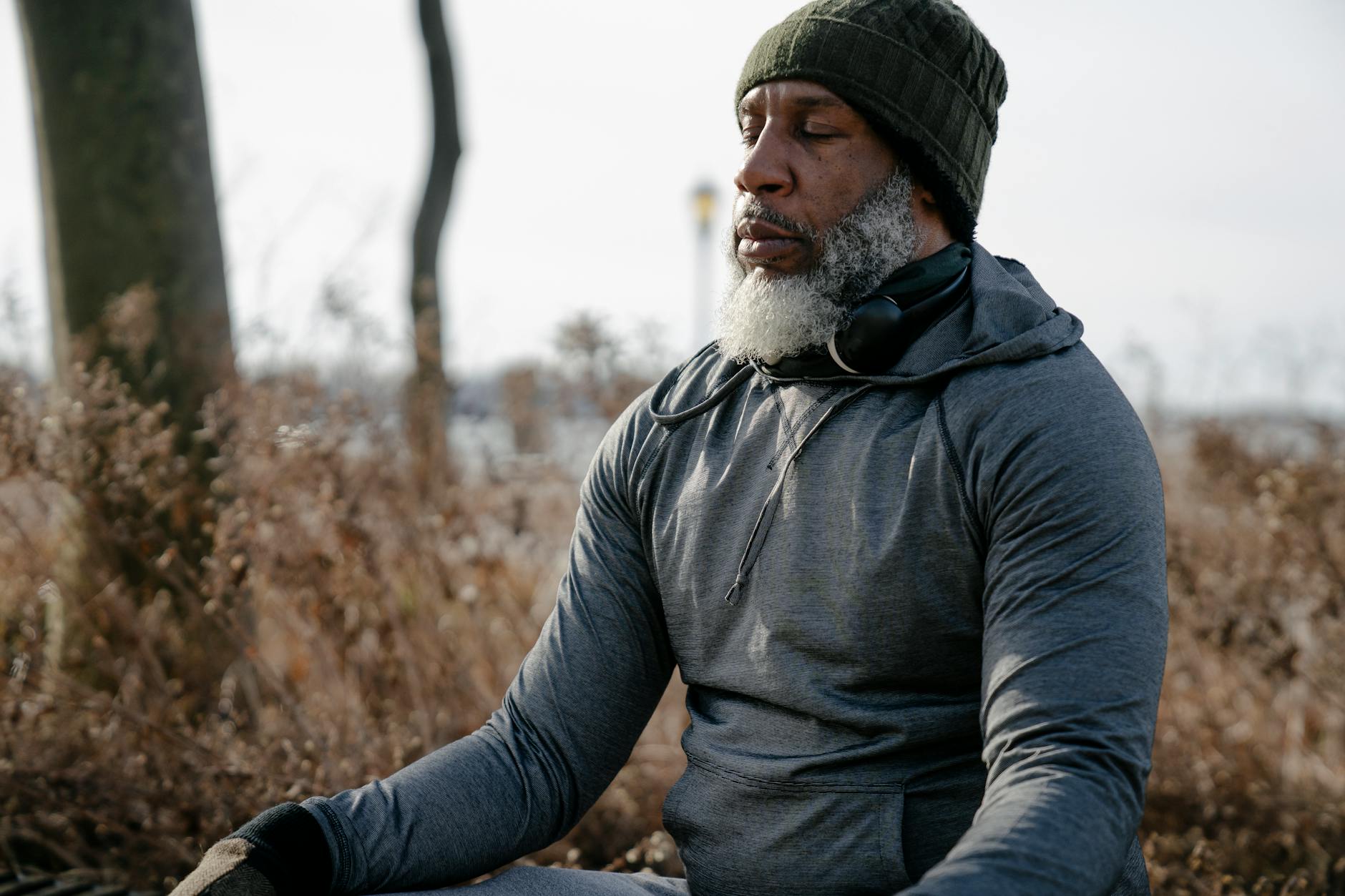
The entire Groundhog Day tradition asks us to pause and observe a small animal in its natural environment. That act of observation is closely related to mindfulness. Clinical evidence shows that mindfulness practices may help reduce blood pressure, ease chronic pain, and improve focus. Nature observation, sometimes called eco-mindfulness, encourages present-moment awareness without judgment. Try sitting near a window or stepping outside and simply watching birds, clouds, or trees for five minutes. This gentle practice can calm a racing mind more effectively than you might expect.
10. Anticipating Better Days Ahead Fuels Resilience
At its core, the legend of Punxsutawney Phil is about hope. People want to know that warmer, brighter days are coming. Psychological research supports the health value of optimism and positive anticipation. Studies published in journals like JAMA Network Open suggest that optimistic individuals may have lower rates of cardiovascular events and may live longer. Cultivating a hopeful outlook does not mean ignoring hardship. It means consciously choosing to focus on what you can control and looking forward to small pleasures, whether that is a spring garden, a planned vacation, or simply longer daylight hours.
From sunlight and sleep to social connection and seasonal eating, the themes surrounding Punxsutawney Phil touch on real pillars of human health. Use these lessons as a gentle reminder to step outside, connect with others, and honor the rhythms of the seasons. Pick one idea from this list and try it this week — small shifts often lead to meaningful improvements over time.
Medical Disclaimer: This article is for informational purposes only and does not constitute medical advice. Always consult a qualified healthcare professional before making health decisions.




