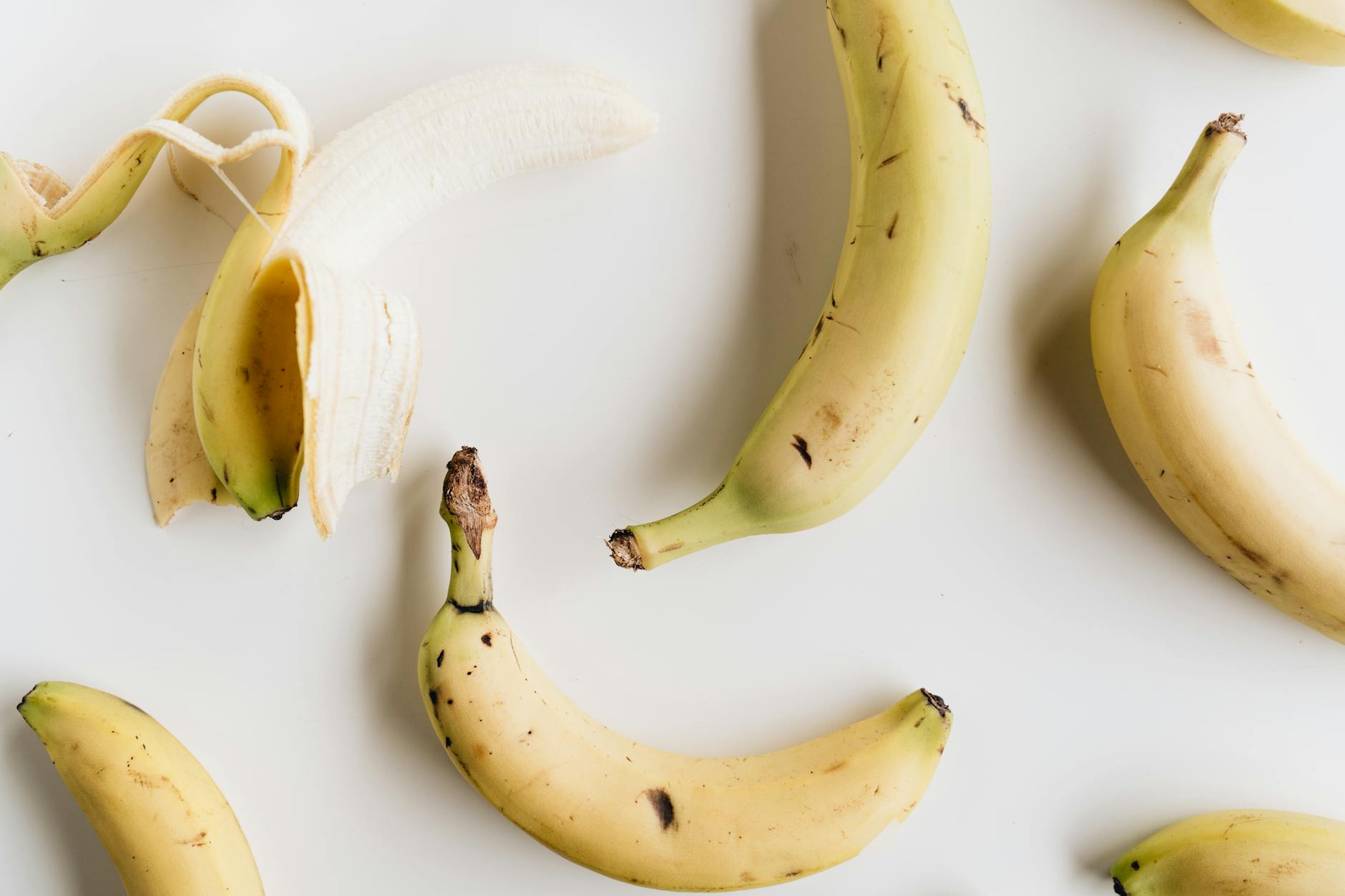
Most adults need around 2,600 to 3,400 milligrams of potassium daily, yet research suggests the majority of Americans fall short. This mineral plays a critical role in regulating blood pressure, supporting nerve signals, and keeping muscles — including your heart — functioning properly. The good news is that many high potassium foods are affordable, delicious, and easy to add to everyday meals.
1. White Potatoes
The humble potato often gets overlooked as a nutritional powerhouse, but it deserves more credit. A single medium baked potato with the skin delivers roughly 900 milligrams of potassium. That is more than a quarter of most people’s daily needs in one serving. According to the NIH, white potatoes are among the leading contributors to potassium intake in the American diet. Research also indicates that potassium from potatoes is positively associated with healthy serum potassium levels. Try baking or roasting them instead of frying to keep the nutrient profile intact.
2. Spinach
Leafy greens are legendary for their nutrient density, and spinach sits near the top. One cup of cooked spinach provides around 840 milligrams of potassium. Studies suggest that spinach also has impressive potassium bioaccessibility, meaning your body can actually absorb a significant portion of the mineral. Research published in PubMed found that leafy vegetables like spinach showed the highest potassium bioaccessibility after digestion. Toss it into smoothies, omelets, or pasta dishes for an easy potassium boost.
3. Bananas
Bananas are probably the most well-known potassium-rich food, and for good reason. One medium banana contains about 422 milligrams of this essential mineral. They are portable, affordable, and naturally sweet, making them one of the easiest high potassium foods to eat regularly. Bananas also provide quick-digesting carbohydrates, which makes them a popular pre-workout snack. Slice one over your morning oatmeal or blend it into a post-exercise smoothie for a simple nutrient upgrade.
4. Sweet Potatoes
Sweet potatoes offer a slightly different nutrient profile compared to their white counterparts, but they are equally impressive in the potassium department. One medium sweet potato packs around 540 milligrams of potassium along with generous amounts of vitamin A and fiber. Their natural sweetness means they need very little seasoning or added sugar. Roast them as wedges, mash them as a side dish, or cube them into soups. They are a versatile way to increase your potassium intake without much effort.
5. Beans and Lentils
Pulses like kidney beans, black beans, and lentils are among the most nutrient-dense foods available. A single cup of cooked white beans provides close to 1,000 milligrams of potassium. Clinical evidence shows that potassium intake from pulses is positively linked to healthy serum potassium levels. Beyond potassium, beans deliver plant-based protein, iron, and soluble fiber that may support heart health. Add them to chili, grain bowls, or salads for a filling and mineral-rich meal component.
6. Yogurt and Milk
Dairy products are often celebrated for calcium, but they quietly deliver substantial potassium too. One cup of plain low-fat yogurt contains roughly 573 milligrams, while a cup of milk provides about 366 milligrams. The NIH lists milk and yogurt among foods higher in potassium that many people already consume regularly. Choosing plain, unsweetened varieties keeps added sugar low while maximizing mineral benefits. Enjoy yogurt with fruit or use milk in smoothies for a double potassium hit.
7. Avocados
Avocados have earned their superfood reputation for several reasons, and potassium content is a big one. Half of a medium avocado delivers approximately 487 milligrams of potassium. That actually exceeds what you get from a medium banana. Avocados also supply heart-healthy monounsaturated fats and fiber that may support cholesterol management. Spread them on whole-grain toast, blend them into dressings, or simply eat them with a sprinkle of salt and lime juice.
8. Salmon
Fatty fish like salmon are famous for omega-3 fatty acids, but they also contribute meaningful amounts of potassium. A three-ounce serving of cooked salmon provides around 326 milligrams. Research suggests that the combination of omega-3s and potassium may work together to support cardiovascular health. Salmon is also rich in high-quality protein and vitamin D. Aim for two servings of fatty fish per week, as many nutrition guidelines recommend, to take advantage of its full range of benefits.
9. Tomatoes
Fresh tomatoes are a decent potassium source, but concentrated forms like tomato paste and tomato sauce really shine. Half a cup of tomato paste contains nearly 670 milligrams of potassium. Studies indicate that tomatoes demonstrate notable potassium bioaccessibility after digestion, meaning your body can efficiently use the mineral they provide. Tomatoes are also loaded with lycopene, an antioxidant linked to heart and skin health. Use them generously in sauces, soups, and stews to quietly increase your daily potassium intake.
10. Kiwi
This small, fuzzy fruit punches well above its weight when it comes to nutrition. Two medium kiwis provide roughly 430 milligrams of potassium along with more vitamin C than an orange. Research suggests that kiwi has strong potassium bioaccessibility, making it an efficient way to absorb this mineral from whole food. Kiwi also contains actinidin, a natural enzyme that may aid digestion. Slice it into fruit salads, blend it into smoothies, or simply scoop it out with a spoon for a quick and refreshing potassium-rich snack.
Eating a variety of high potassium foods each day is one of the simplest strategies for supporting your heart, muscles, and overall health. Start by adding just one or two of these foods to your regular meals and build from there. Small, consistent changes tend to make the biggest difference over time.
Medical Disclaimer: This article is for informational purposes only and does not constitute medical advice. Always consult a qualified healthcare professional before making health decisions.




