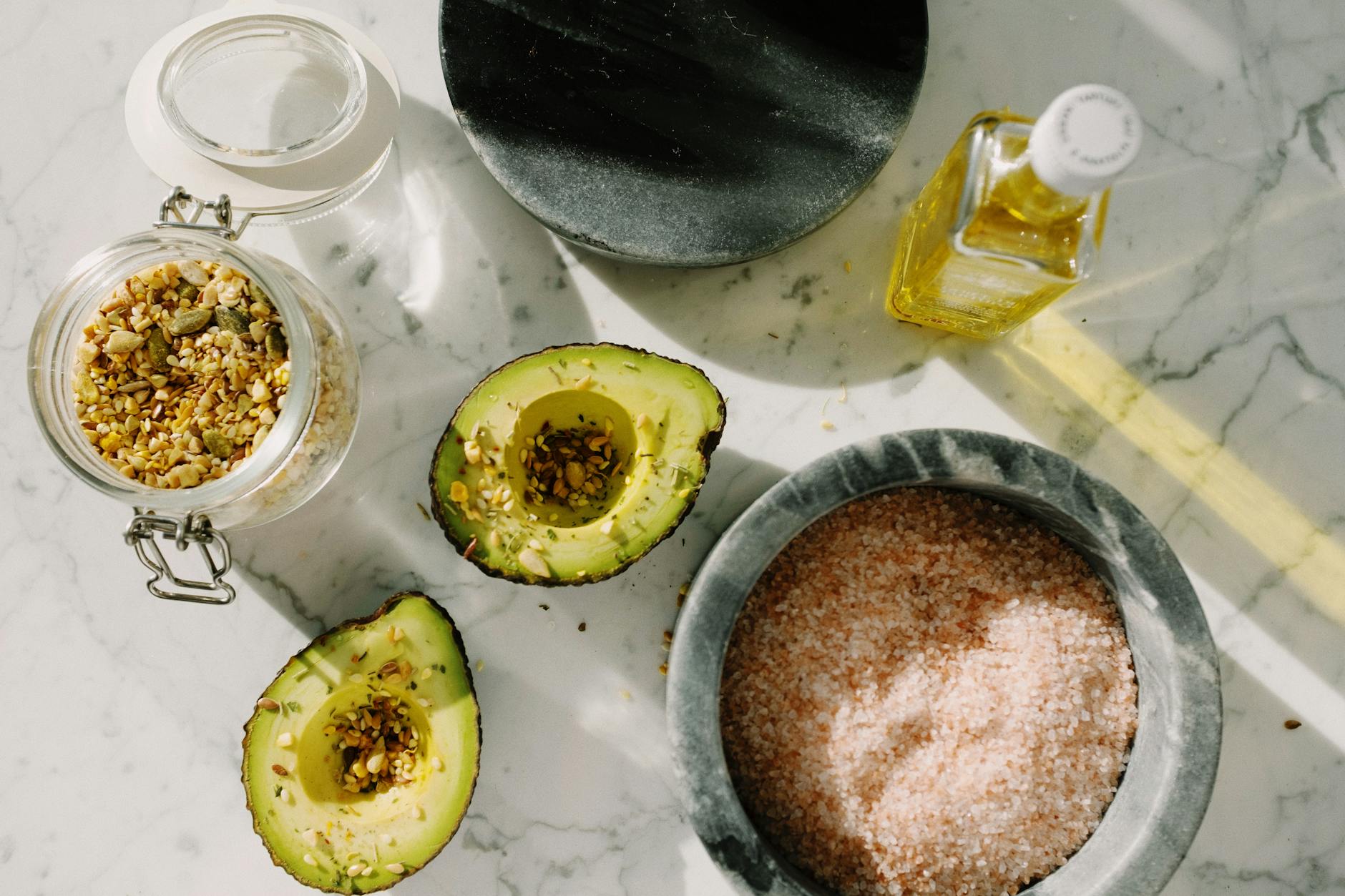
Himalayan pink salt has surged in popularity over the past decade, showing up in kitchens, spas, and wellness shops around the world. Mined from ancient deposits in Pakistan’s Khewra Salt Mine, this rosy-hued mineral is often promoted as a healthier alternative to regular table salt. Here’s a closer look at 10 potential himalayan salt benefits — and what the science actually supports.
1. Contains Trace Minerals Not Found in Table Salt
One of the most frequently cited himalayan salt benefits is its mineral profile. Unlike heavily processed table salt, pink Himalayan salt contains small amounts of minerals like potassium, magnesium, calcium, and iron. That iron content is what gives it its signature pink color. However, it is important to keep expectations realistic. Research published in PubMed found that while pink Himalayan salt does contain trace minerals, the concentrations are too low to provide meaningful nutritional benefits compared to table salt. Still, some people prefer knowing their salt contains a broader mineral spectrum, even in tiny amounts.
2. May Encourage Mindful Sodium Intake
Switching to Himalayan salt sometimes makes people more conscious of how much salt they use. Its coarse, chunky crystals dissolve more slowly and feel more substantial on the tongue. This can naturally lead you to use less per serving. Because you can see and feel each grain, it becomes easier to measure and control portions. If you are watching your sodium intake, using a coarse Himalayan salt with a pinch rather than a heavy pour could be a simple, practical strategy.
3. Adds Flavor Without Heavy Processing
Table salt typically undergoes extensive processing that strips away natural minerals. Anti-caking agents and additives are then mixed in to keep it free-flowing. Himalayan salt, by contrast, is minimally processed — usually just hand-mined and washed. Many home cooks and chefs appreciate its cleaner ingredient profile. If you prefer fewer additives in your pantry staples, choosing a minimally processed salt is a straightforward swap you can make today.
4. Works as a Natural Exfoliant for Skin
Beyond the kitchen, Himalayan salt has earned a place in many skincare routines. Its coarse texture makes it a gentle yet effective natural exfoliant when mixed with oils like coconut or olive oil. Scrubbing with salt granules may help remove dead skin cells and leave skin feeling smoother. Some spas use Himalayan salt scrubs to promote a healthy glow. For an at-home version, combine a tablespoon of fine-grain pink salt with a carrier oil and gently massage it onto damp skin before rinsing.
5. Popular in Salt Therapy Rooms
Halotherapy, or salt therapy, involves spending time in rooms lined with Himalayan salt. Proponents believe that inhaling micro-particles of salt may support respiratory comfort. While rigorous clinical trials are still limited, some small studies suggest salt therapy could offer mild relief for certain respiratory complaints. Salt rooms have become a popular wellness experience in spas across Europe and North America. If you are curious, consider trying a session, but keep in mind that salt therapy should not replace any prescribed treatments for respiratory conditions.
6. Serves as a Unique Cooking Surface
Himalayan salt blocks have become a creative cooking tool for grilling and serving food. These thick slabs can be heated on a grill or in an oven and used to sear meats, seafood, and vegetables. The block imparts a mild, even saltiness that many people find more subtle than direct seasoning. Salt blocks can also be chilled and used to serve cold dishes like sushi or fruit. They make an impressive presentation piece and double as a functional cooking surface for your next dinner gathering.
7. May Support Hydration When Used in Sole Water
Sole water is made by dissolving Himalayan salt in water until the solution is fully saturated. Some wellness advocates suggest drinking a small amount each morning to support electrolyte balance and hydration. The idea is that trace minerals in the salt help your body absorb water more efficiently. However, research from PubMed Central notes that the mineral levels in pink salt are insufficient to offer clear nutritional superiority over regular salt. If you try sole water, use only a teaspoon in a full glass and monitor your overall sodium intake carefully.
8. Creates Ambient Lighting with Salt Lamps
Himalayan salt lamps have become a popular home decor item. Carved from large salt crystals and fitted with a light bulb inside, they emit a warm amber glow. Manufacturers often claim these lamps release negative ions that purify the air. Scientific evidence for significant air purification is lacking, but many people simply enjoy the calming ambiance they create. If you find the soft, warm light relaxing in the evening, a salt lamp can be a pleasant addition to a wind-down routine before bed.
9. Comparable to Table Salt for Blood Pressure Effects
A common belief is that Himalayan salt is gentler on blood pressure than regular table salt. However, the evidence tells a different story. A study published in PubMed found no significant differences in blood pressure or urinary sodium concentration between Himalayan salt and table salt in patients with hypertension. Sodium is sodium, regardless of the source. If you have high blood pressure or are at risk, the most important step is to manage your total sodium intake rather than simply switching salt types.
10. Requires Caution for People with Thyroid Conditions
While many people view Himalayan salt as universally safe, it may pose risks for certain individuals. A case report from PubMed Central documented a patient with treated Graves’ disease whose thyrotoxicosis worsened due to high intake of Himalayan salt containing iodine. This serves as an important reminder that natural does not always mean risk-free. If you have a thyroid condition or any chronic health issue, speak with your doctor before significantly increasing your consumption of any specialty salt.
Himalayan pink salt offers some interesting qualities — from its trace mineral content to its versatility in cooking and skincare. However, the science suggests its health advantages over regular table salt are modest at best. The smartest approach is to enjoy it in moderation as part of a balanced diet and talk with your healthcare provider if you have specific health concerns about sodium or mineral intake.
Medical Disclaimer: This article is for informational purposes only and does not constitute medical advice. Always consult a qualified healthcare professional before making health decisions.




