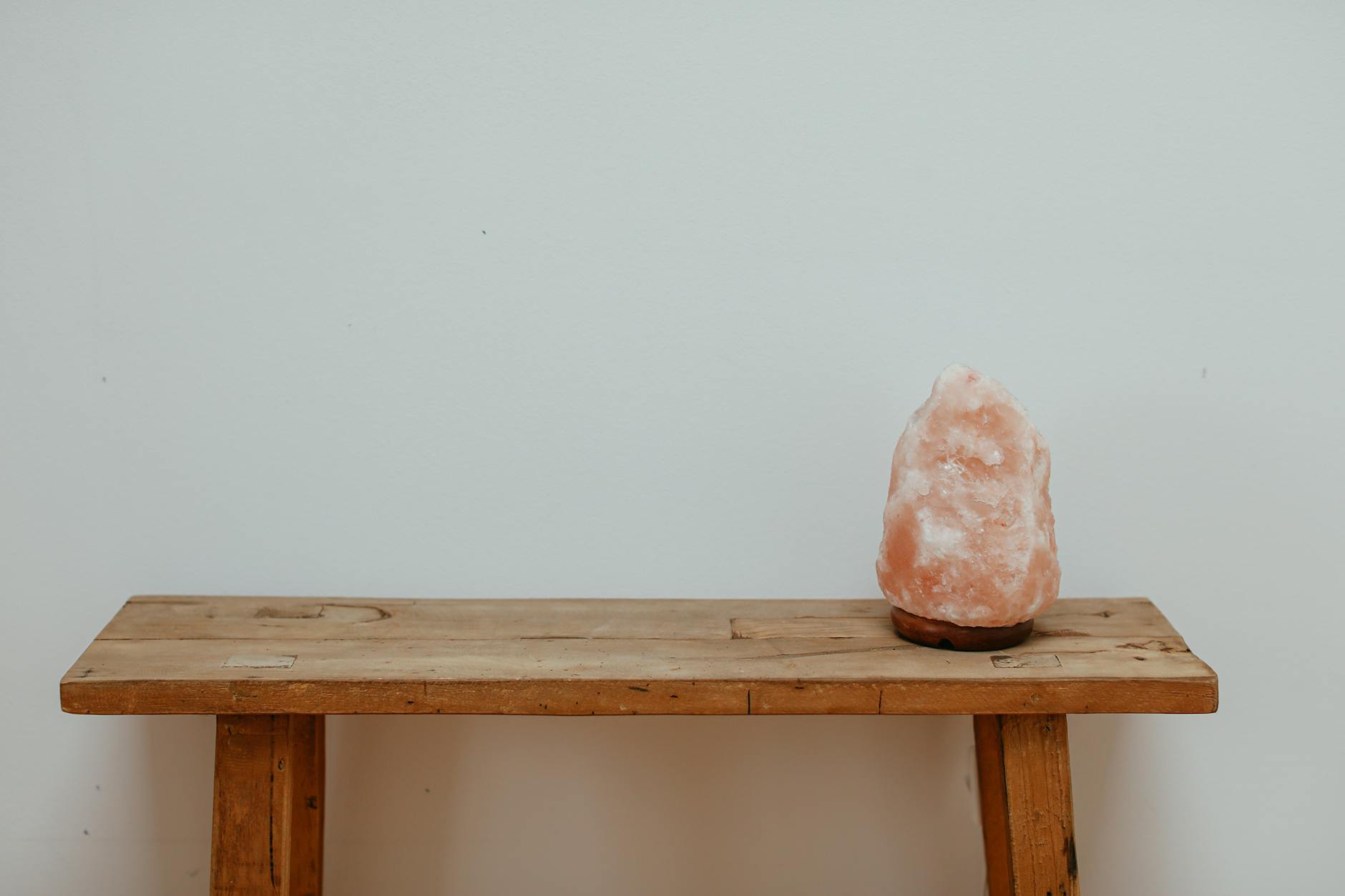
Himalayan salt lamps have become one of the most popular wellness products in recent years, glowing warmly in living rooms, bedrooms, and yoga studios around the world. Sellers claim these carved pink salt crystals can purify air, boost mood, and even relieve asthma symptoms. But before you invest in one for health reasons, it helps to understand what science actually supports and what remains unproven.
1. They Supposedly Purify Indoor Air
One of the most widespread claims about the Himalayan salt lamp is that it cleans the air in your home. Proponents suggest the lamp attracts water molecules carrying pollutants and traps them on the salt surface. This process, called hygroscopy, does occur in salt to a very small degree. However, the effect is far too minimal to meaningfully filter a room’s air. According to Healthline, no scientific studies support the idea that these lamps provide measurable air purification benefits. If indoor air quality is a real concern, a HEPA air purifier remains a far more evidence-backed option to consider.
2. They Claim to Release Beneficial Negative Ions
Many sellers market Himalayan salt lamps as natural negative ion generators. Negative ions are molecules found abundantly near waterfalls, oceans, and forests. Some early research has explored whether negative ions could influence well-being. However, WebMD reports that no evidence shows these lamps release sufficient negative ions to produce any health effect. The heat from a small light bulb inside the salt crystal simply does not generate enough energy. Commercial negative ion machines produce dramatically higher concentrations than any salt lamp could.
3. They Are Said to Improve Mood and Reduce Depression
Some proponents suggest the warm, amber glow of a Himalayan salt lamp can ease symptoms of depression. This claim often ties back to the negative ion theory, referencing studies on high-density ionization. While some limited research has explored negative ions and mood, those studies used powerful industrial ionizers. The tiny amount of ions a salt lamp might produce falls far short of therapeutic levels. That said, soft ambient lighting can create a calming atmosphere, which some people find soothing. If you enjoy the glow, that is perfectly fine, but it should not replace professional mental health support.
4. They Supposedly Help You Sleep Better
Better sleep is another frequently cited benefit of owning a Himalayan salt lamp. The theory goes that negative ions increase serotonin production, which then supports healthy sleep cycles. However, as noted above, these lamps produce negligible ion output. There is currently no clinical evidence linking salt lamps to improved sleep quality. Interestingly, the dim warm light could offer one indirect benefit. Unlike blue-spectrum screens, a low orange glow is less likely to suppress melatonin production. Using a salt lamp as a gentle nightlight instead of your phone may indirectly support better sleep hygiene.
5. They Claim to Ease Allergy and Asthma Symptoms
People with allergies or asthma are often drawn to Himalayan salt lamps by claims they reduce airborne irritants. Some marketers compare them to salt therapy, also known as halotherapy, which takes place in salt caves. However, sitting near a heated chunk of salt is very different from breathing aerosolized salt particles in a controlled environment. Medical News Today notes there is little to no evidence supporting claims that these lamps ease respiratory symptoms. Anyone experiencing allergy or asthma issues should work with a healthcare provider for proper treatment strategies.
6. They Are Promoted as Electromagnetic Radiation Shields
A more unusual claim suggests Himalayan salt lamps can neutralize electromagnetic radiation from electronics. Phones, computers, and Wi-Fi routers all emit low-level electromagnetic fields. Some wellness influencers claim salt lamps can counteract this exposure. There is absolutely no scientific mechanism or evidence supporting this idea. Salt is a mineral compound of sodium and chloride and has no known ability to absorb or block electromagnetic waves. This claim appears to be entirely rooted in marketing rather than physics or biology.
7. They May Offer a Placebo-Driven Sense of Calm
While the direct health claims lack evidence, the placebo effect is a real psychological phenomenon. If someone believes their salt lamp is helping them relax, they may genuinely feel calmer. Research suggests that expectation alone can influence perceived well-being in meaningful ways. The ritual of turning on a warm lamp, dimming overhead lights, and settling in can signal your brain to wind down. This is not a flaw in thinking; it is how our minds naturally work. Enjoying your lamp for relaxation purposes is perfectly reasonable as long as it does not replace needed medical care.
8. Their Warm Glow Can Support Ambient Lighting Strategies
One genuinely practical use of a Himalayan salt lamp is as a source of warm ambient light. Bright overhead lighting in the evening can interfere with your body’s natural circadian rhythm. Studies indicate that reducing exposure to harsh artificial light before bedtime may support melatonin production. A salt lamp emits a soft, low-intensity orange hue that sits at the gentler end of the light spectrum. Using it as part of an evening wind-down routine is a simple, enjoyable habit. Think of it as a decorative tool for better lighting hygiene rather than a medical device.
9. Ingesting Himalayan Pink Salt Carries Its Own Risks
Some people extend their enthusiasm for salt lamps to dietary use of Himalayan pink salt. While small amounts used in cooking are generally similar to regular table salt, excessive intake can pose real dangers. A case study published in PubMed Central documented how consuming 10 grams of Himalayan salt daily triggered acute thyrotoxicosis in a patient with Graves’ disease due to its high iodine content. Himalayan salt is still sodium chloride and contributes to sodium intake just like any other salt. Moderation remains essential, and people with thyroid conditions should be especially cautious about unregulated mineral salt consumption.
10. They Work Best as Decor, Not Medicine
When you strip away the unproven health claims, a Himalayan salt lamp is essentially a beautiful piece of home decor. Its warm pink glow creates a cozy atmosphere that many people genuinely enjoy. There is nothing wrong with appreciating the aesthetic appeal of natural salt crystals. The concern arises only when people rely on these lamps to treat serious health conditions instead of seeking proper care. If you love the look and find it relaxing, keep enjoying it. Just be cautious about spending extra money on premium models marketed with exaggerated therapeutic promises.
Himalayan salt lamps are lovely decorative objects, but the bold health claims attached to them remain largely unsupported by current science. The best approach is to enjoy the warm ambiance they provide while relying on evidence-based strategies for issues like air quality, sleep, and respiratory health. If any health concern is persistent or worsening, a conversation with your doctor will always be more effective than a glowing rock on your nightstand.
Medical Disclaimer: This article is for informational purposes only and does not constitute medical advice. Always consult a qualified healthcare professional before making health decisions.




