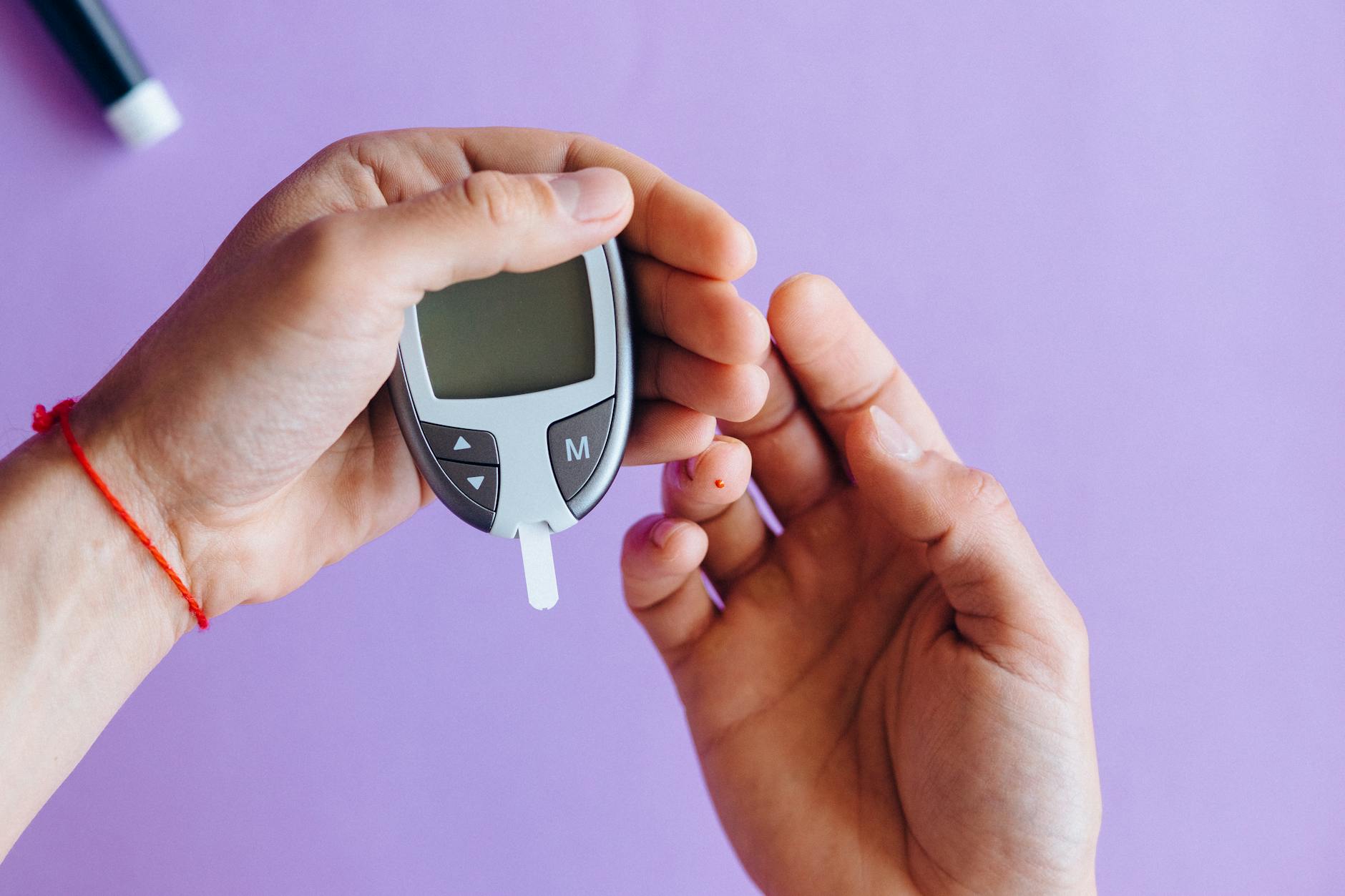
Patients often tell me they feel like they are losing their minds right before their blood sugar crashes. The reality is their brain is literally starving for glucose, triggering a cascade of bizarre physical and neurological alarms. I have watched this happen in real time across hundreds of exam rooms.
1. The Sudden, Cold Soak
I remember walking into room three and seeing a young woman shivering in a damp cotton t-shirt. Her chart said panic attacks. But panic sweats are hot, while this sweat felt like ice water on my fingertips when I checked her pulse. That was the exact moment I recognized the pattern before the glucometer even beeped fifty-two. The sudden onset of diaphoresis is a primitive survival reflex. Your body dumps acetylcholine to kickstart glucose production. Most articles will tell you sweating is a universal sign. That framing misses the point. It is the temperature of the sweat that tells the real clinical story. A 1991 paper in the Journal of Internal Medicine confirmed autonomic symptoms like sweating and trembling are the most frequently reported early warning signs.
2. Losing The Thread of Conversation
One minute you’re excitedly talking about your weekend dinner plans. Then your brain just stops working entirely. Glucose is the only fuel your cortex runs on. Without it, cognition fails rapidly. “I feel like I’m trying to read underwater,” a patient once explained to me. That captures the neuroglycopenic fog perfectly. It happens fast.
3. A Racing Heart Without Exercise
The adrenaline surge hits like a freight train. Your adrenal glands release massive amounts of epinephrine to force your liver into pushing stored sugar into the blood. This makes your heart hammer violently against your ribs. Patients often end up at the general practitioner level with a diagnosis of generalized anxiety. A well-meaning GP might order an EKG and prescribe beta-blockers. As an endocrinologist, I look at the exact timing of those heart palpitations. Do they happen three hours after a heavy carbohydrate meal? Are they accompanied by a gnawing emptiness in the stomach? We still don’t fully understand why some people get severe tachycardia while others barely notice a flutter. The clinical presentation varies wildly, making it incredibly easy to misdiagnose. Though I suspect we miss half of these cases entirely.
4. The Parasympathetic Paradox
When you read medical textbooks, they describe acute hunger as a hallmark sign of low blood sugar. Read the classic literature, and it paints a picture of a ravenous patient desperately seeking juice. In the actual exam room, I frequently see the exact opposite. Patients feel intensely nauseated.
(Sometimes they even vomit, which makes correcting the low sugar an absolute nightmare).
Why the discrepancy? The textbook presentation focuses strictly on the cholinergic drive to eat. But adrenaline also spikes during a crash, and adrenaline shuts down your gut. It diverts blood flow away from digestion and toward your muscles for a fight-or-flight response. Your stomach stops moving entirely. Food sounds completely repulsive. I had a man in his fifties tell me, “My stomach ties itself into a cold, hard knot.” He was dropping into the forties nightly and losing weight because he was afraid to eat. If you wait for textbook hunger to tell you your sugar is crashing, you might end up unconscious on the kitchen floor. A StatPearls review from 2022 notes that cholinergic symptoms include both hunger and paresthesias, but the clinical reality of nausea often gets buried in the literature. Trust your gut, even when it tells you not to eat.
5. Fine Motor Failure
Hold your hands out in front of you. Are they shaking slightly when you try to keep your fingers perfectly straight? Tremulousness is a direct physical result of that same epinephrine surge firing up your nerve endings. You can’t will it to stop. Your muscles are just passively receiving chaotic electrical signals from a panicked nervous system.
6. Dead Nerves in the Face
Numbness creeps into the lips and tongue first. Why does low blood sugar make your mouth tingle? The central nervous system is incredibly sensitive to energy deprivation. Peripheral nerves misfire when they lack substrate. You might feel a strange buzzing sensation around your jawline. Or maybe it feels like you just left the dentist after getting a shot of novocaine. This symptom is completely distinct from the typical pins-and-needles of a sleeping arm or leg. It sits right on the surface of the skin, vibrating slightly. And it resolves the moment glucose hits the bloodstream. Many patients ignore this because it feels too weird to mention to a doctor. But it is a glaring red flag of neuroglycopenia.
7. The Personality Hijack
Spouses often drag their partners into my office, convinced they need marriage counseling. The behavioral changes of neuroglycopenia turn patients into someone else entirely. Wives bring their husbands in, tired of the sudden outbursts over absolutely nothing. The brain lacks the energy required to maintain emotional regulation, so the frontal lobe simply goes offline. I once had a sweet, soft-spoken grandmother throw a plastic reflex hammer at my head because I asked her to step on the scale. Ten minutes and a juice box later, she was weeping with embarrassment. She had absolutely no memory of throwing the hammer at me. This is where the diagnostic lines get terribly blurry. How many people are walking around with an anger management label when they actually have severe reactive hypoglycemia? The brain under duress doesn’t care about social norms. It cares about survival. An authoritative 2023 clinical overview breaks down these neuroglycopenic behavioral changes, separating them from the purely physical adrenergic reactions. The higher-order cognitive functions shut down first to preserve basal brainstem activity.
You revert to a reptilian state.
Logic cannot reach a person in this condition. You just have to get glucose into their mouth.
8. Gravity Feels Heavier
Your legs suddenly turn to lead. Walking up a single flight of stairs requires a monumental physical effort. This isn’t the normal tiredness you feel after a long day at the office. Your muscle tissue is literally being starved of its primary energy source. The weakness is acute and undeniable. It hits you in a matter of minutes, dragging your posture down. People often sit down on the floor right where they are standing because they simply can’t hold their own weight anymore. The energy drain is absolute. You feel heavy, sluggish, and trapped inside a body that refuses to follow commands. Once the blood sugar stabilizes, that physical heaviness evaporates just as quickly as it arrived.
9. A Fractured Field of Vision
Vision can fail without warning in the middle of the afternoon. Sometimes patients see double, or notice a dark vignette creeping into the peripheral edges of their sight. The optic nerve requires massive amounts of ATP to process visual stimuli correctly. When blood glucose drops, that visual processing degrades very quickly. It strongly mimics the aura of a severe migraine, which confuses both panicked patients and hurried doctors. The diagnostic difference lies in the rapid resolution once carbohydrates are ingested. If a glass of orange juice fixes your fractured field of vision in fifteen minutes, you didn’t have a migraine. Your brain was just rationing power, shutting down secondary visual acuity to keep your heart beating.
10. The Silent Midnight Crash
Waking up suddenly soaked in sweat is a terrifying way to start the day. Your body fought a physiological war while you were completely unconscious. The liver dumped all its stored glycogen just to keep you alive until dawn. The resulting morning headache is dull, localized right behind the eyes, and completely refuses to respond to standard doses of ibuprofen. Many patients think they just had a terrible nightmare or a random hot flash. The reality is their blood glucose dropped dangerously low at three in the morning. They survive the night, but they wake up feeling violently hungover without having touched a single drop of alcohol. The bone-deep exhaustion lingers for hours.
If you recognize these erratic physical patterns, stop guessing and buy a cheap over-the-counter glucometer. Test your blood exactly when the symptoms peak, not two hours later when you finally feel better.
Medical Disclaimer: This article is for informational purposes only and does not constitute professional medical advice. Always consult a qualified healthcare professional before making changes to your health routine.




