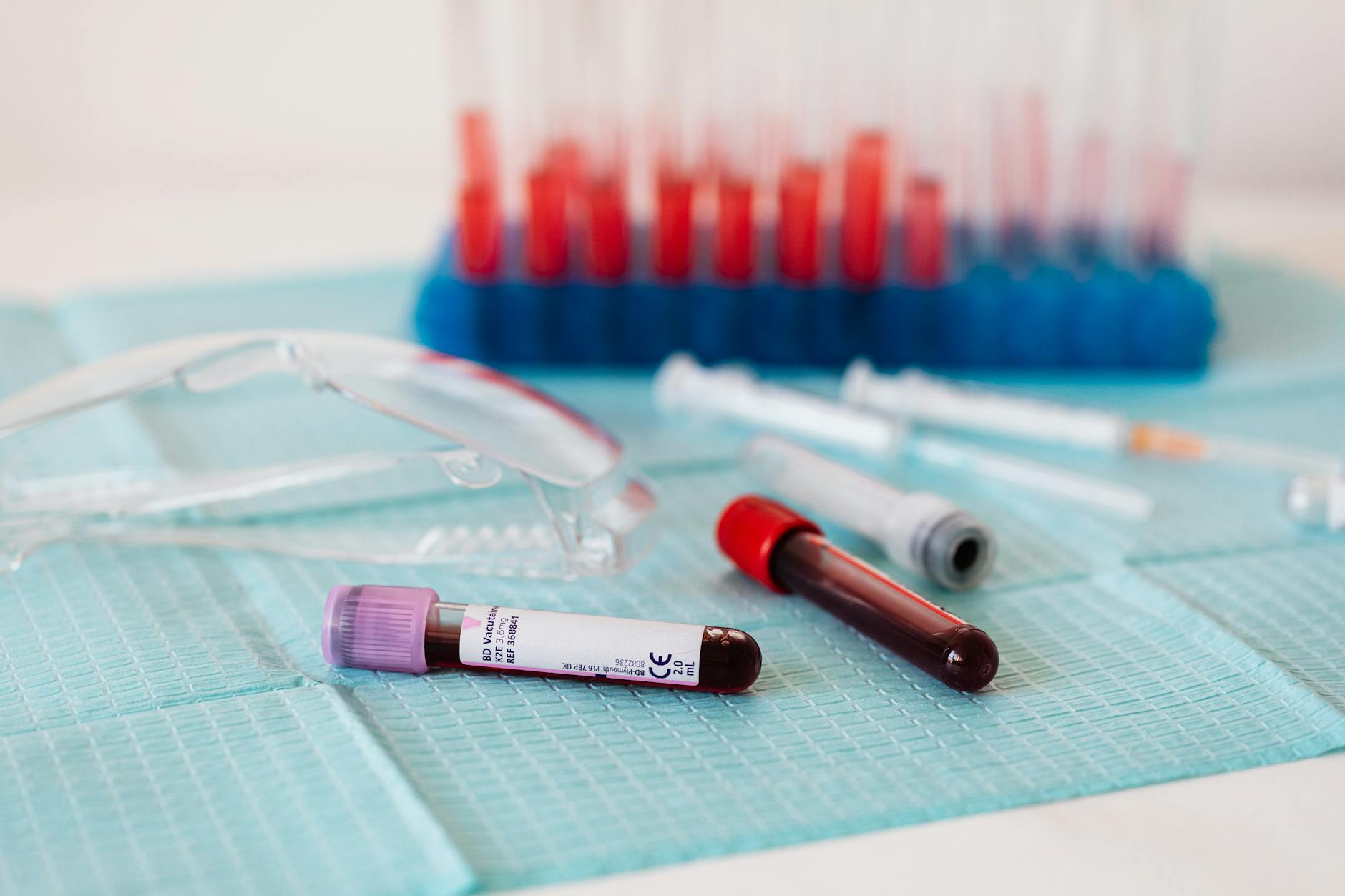
Hypokalemia — clinically defined as a blood potassium level below 3.5 mEq/L — affects a significant number of hospitalized patients and can develop silently in otherwise healthy people. Understanding the most common hypokalemia causes empowers you to recognize risk factors early and have more informed conversations with your doctor. Here are ten key triggers that research and clinical practice have identified.
1. Diuretic Medications
Diuretics, commonly called “water pills,” are among the most frequently prescribed medications for high blood pressure and heart failure. However, certain types — especially thiazide and loop diuretics — force the kidneys to excrete more potassium along with excess fluid. According to a PubMed diagnostic review, diuretic therapy is the single most common cause of potassium deficit encountered in clinical practice. Research suggests that patients on these medications should have their potassium levels monitored regularly. If you take a diuretic, ask your doctor about periodic blood work to catch any dip before symptoms appear.
2. Chronic Vomiting and Nausea
Persistent vomiting doesn’t just leave you dehydrated — it also strips your body of essential electrolytes, including potassium. Each episode of vomiting forces stomach acid and its dissolved minerals out of your system. The resulting metabolic alkalosis further drives potassium into cells and increases kidney losses. Conditions like cyclic vomiting syndrome, morning sickness, or eating disorders can all contribute. Replacing fluids with electrolyte-rich drinks and seeking treatment for the underlying cause are important first steps.
3. Chronic or Severe Diarrhea
The gastrointestinal tract is a major route of potassium loss. Prolonged diarrhea from infections, inflammatory bowel disease, or laxative overuse can rapidly deplete potassium stores. As noted in a comprehensive NIH/NCBI overview, increased gastrointestinal losses are a well-documented pathway to hypokalemia. The longer diarrhea persists, the greater the risk becomes. If you experience diarrhea lasting more than a couple of days, staying hydrated with balanced electrolyte solutions and contacting your healthcare provider is strongly recommended.
4. Inadequate Dietary Potassium Intake
Your body cannot manufacture potassium on its own. It relies entirely on food sources like bananas, potatoes, beans, and leafy greens. Diets high in processed foods and low in fresh fruits and vegetables may not deliver enough potassium over time. While severe dietary deficiency alone is relatively uncommon, it becomes a bigger risk factor when combined with other losses. Clinical evidence shows that even modest shortfalls in dietary potassium can worsen hypokalemia triggered by medications or illness. Incorporating a variety of potassium-rich whole foods into your meals is a practical safeguard.
5. Excessive Sweating
Heavy sweating during intense exercise, physical labor, or prolonged heat exposure causes more than just water loss. Sweat contains small amounts of potassium, and over time those losses add up. Athletes and outdoor workers in hot climates face a particularly elevated risk. The problem compounds when people rehydrate with plain water instead of electrolyte beverages. If you regularly engage in activities that produce heavy sweat, consider replenishing with drinks or foods that supply both sodium and potassium to maintain a healthy electrolyte balance.
6. Hyperaldosteronism and Adrenal Disorders
Aldosterone is a hormone produced by your adrenal glands that regulates sodium and potassium balance. When the body produces too much aldosterone — a condition called hyperaldosteronism — the kidneys excrete excessive amounts of potassium. A PubMed Central/NIH clinical analysis highlights endocrine diseases, including primary aldosteronism, as a notable cause of excessive urinary potassium losses. Cushing’s syndrome, which involves high cortisol levels, can have a similar effect. Persistent low potassium without an obvious dietary or medication explanation may warrant screening for these adrenal conditions.
7. Magnesium Deficiency
Potassium and magnesium share a close physiological relationship. When magnesium levels drop too low, the kidneys lose their ability to retain potassium effectively. This creates a stubborn form of hypokalemia that resists correction until magnesium is also replenished. Research published in a PubMed Central/NIH review details how hypomagnesemia impairs renal potassium conservation. If potassium supplements alone aren’t raising your levels, your doctor may check your magnesium as well. Foods like nuts, seeds, and dark chocolate are good natural sources of magnesium.
8. Kidney Disease and Renal Tubular Disorders
Healthy kidneys carefully filter and reabsorb potassium to keep blood levels in a tight range. Certain kidney conditions, particularly renal tubular acidosis and Bartter syndrome, disrupt this balance. These disorders cause the kidneys to flush out too much potassium regardless of how much you consume. Studies indicate that renal tubular defects are an important but sometimes overlooked cause of chronic hypokalemia. Routine kidney function tests and urine potassium measurements can help identify these issues. Early diagnosis allows targeted treatment to slow further electrolyte loss.
9. Insulin Surges and Intracellular Shifts
Potassium doesn’t always leave your body to cause hypokalemia — sometimes it simply shifts from the bloodstream into cells. Insulin is one of the strongest drivers of this intracellular shift. After a large carbohydrate-rich meal or during insulin therapy for diabetes, potassium rushes into muscle and liver cells. The blood level drops even though total body potassium may be normal. This transient hypokalemia can still trigger symptoms like muscle cramps or heart palpitations. People managing diabetes with insulin should be aware of this effect and discuss monitoring strategies with their care team.
10. Certain Antibiotics and Other Medications
Beyond diuretics, several other drug classes can lower potassium levels. High-dose penicillin, amphotericin B, and some aminoglycoside antibiotics increase renal potassium wasting. Laxative abuse is another frequently identified culprit. Even certain asthma medications like beta-2 agonists can temporarily shift potassium into cells. Clinical evidence shows that polypharmacy — taking multiple medications simultaneously — raises the overall risk. Always review potential side effects with your pharmacist or doctor, especially when starting a new medication while already on drugs that affect electrolytes.
Low potassium levels can stem from a wide range of triggers, from common medications and dietary gaps to hormonal imbalances and kidney disorders. Recognizing these hypokalemia causes is the first step toward protecting your health. If you experience unexplained muscle weakness, fatigue, or irregular heartbeats, schedule a visit with your healthcare provider for a simple blood test that can reveal whether your potassium needs attention.
Medical Disclaimer: This article is for informational purposes only and does not constitute medical advice. Always consult a qualified healthcare professional before making health decisions.




