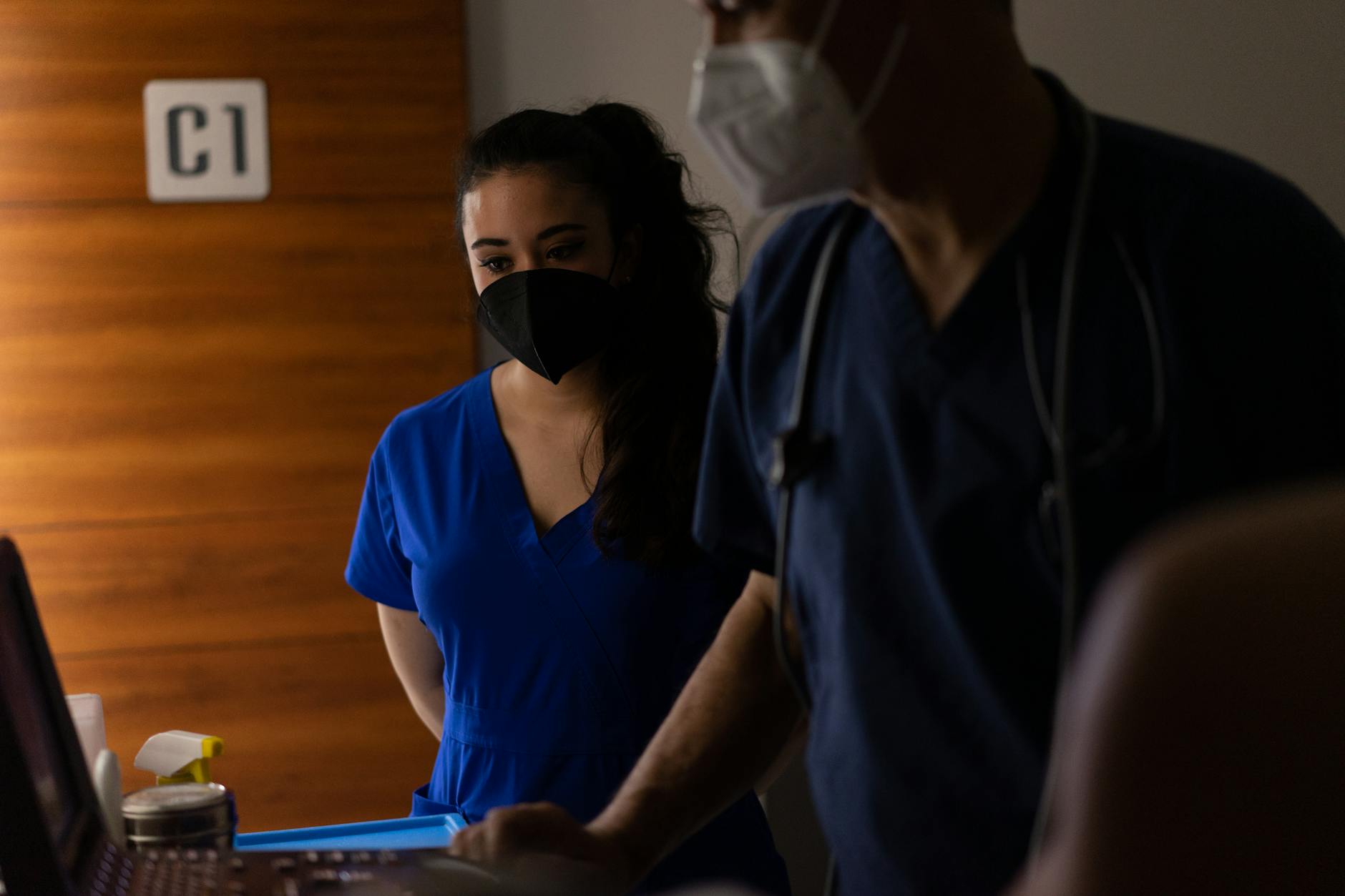
I walk into room three and find a grown man backed into the farthest corner, terrified he is breathing a plague onto his pregnant daughter. The virus hiding inside his nerve root woke up three days ago. Now we have to unpick the fear from the biology.
1. The Virus Only Travels Backward
You can’t catch shingles from a person who has shingles. But you can catch chickenpox from them if your immune system has never met the varicella-zoster virus. Most articles will tell you shingles is contagious. That framing misses the point. The disease itself is a reactivation of an old enemy already living inside your nervous system. When the blisters weep, they shed raw virus. As the Mayo Clinic details, passing the virus through direct contact with open sores causes chickenpox in those not immune. If a toddler touches that fluid, they get chickenpox, not a dermatomal rash.
2. The Ghost Pain Prodrome
Textbook descriptions focus heavily on the blistering rash. In the exam room things look completely different. Patients show up rubbing their right flank or wincing when their shirt brushes their shoulder blade. “It feels like my skin has a sunburn but there is nothing there,” one woman told me last Tuesday. General practitioners often miss this window entirely. They diagnose a pulled muscle or an odd nerve tweak and send the patient home with ibuprofen. Two days later the classic clustered vesicles erupt along a single dermatome. I knew exactly what was brewing in that woman’s flank before she even pulled up her shirt because she held her torso rigid, leaning away from the fabric of her own clothes. The hyperesthesia almost always precedes the visual evidence.
During this invisible phase, before any fluid-filled sacs appear on the skin, you cannot transmit the virus to anyone. The skin must break. The virus has to physically exit your body to find a new host. (We still debate exactly what triggers the initial viral awakening, though stress is the usual suspect.) Until the cellular destruction creates a blister, you aren’t an infectious risk.
3. Breathing The Same Air
Can a cough spread the virus from a torso rash to someone across the room? No. Varicella-zoster only becomes airborne in cases of disseminated zoster, which typically only happens in severely immunocompromised patients. For standard localized cases, the virus lives strictly in the blister fluid. Keep it covered. Just wash your hands.
4. The Waiting Game Of Scabs
Patients constantly ask when they can hold their grandchildren again. The rule is brutally simple but heavily misunderstood. You remain infectious until every single blister has crusted over. Not when they start to dry out. Not when the pain fades. The CDC confirms that people cannot spread the virus before the rash appears or after it crusts entirely.
Sometimes a patient will have a mix of fresh vesicles and older scabs on the exact same patch of ribs.
That means the active shedding phase is still happening. The timeline varies wildly depending on age and immune status. Some heal in ten days. Others drag on for weeks.
5. Who Actually Needs Protection
Healthy adults walking past you in the grocery store aren’t at risk. The target list for new varicella infections is incredibly narrow. We worry about pregnant women who have never had chickenpox or the vaccine. We worry about premature infants in the neonatal intensive care unit. We worry about patients undergoing active chemotherapy whose immune systems are wiped out. According to MedlinePlus, the risk remains low if the rash is properly covered. If you have weeping sores, those vulnerable groups are the people you must actively avoid. Everyone else in your life likely already harbors the dormant virus.
6. Fabric Is Usually Enough
The simplest intervention works best. A clean cotton bandage over the rash traps the viral particles. If the affected area sits under a long-sleeved shirt, the transmission risk drops to practically zero. You don’t need to isolate in a spare bedroom. Just keep the weeping skin wrapped up and out of sight.
7. The Lingering Damage
Sometimes the skin heals perfectly, but the agony stays. Postherpetic neuralgia is the shadow that outlasts the infection. “I feel like someone is holding a lit match against my ribs,” an older gentleman whispered to me once, three full months after his rash had vanished.
His skin was completely smooth.
He was no longer shedding the virus. He posed absolutely zero risk to his newborn grandson, yet he refused to hold the baby out of sheer paranoia. The nerve itself had sustained structural damage during the viral transit. We do not fully understand why some nerve fibers regenerate cleanly while others misfire for years. This chronic pain phase is purely internal. The infection is entirely gone. The virus has retreated back to the dorsal root ganglion to sleep. But the messaging system remains broken, sending constant alarm signals to the brain. I see patients who try to tough it out with over-the-counter creams, arriving at the clinic only when they can barely breathe from the chest pain. By then, the viral replication has peaked. The window to minimize nerve destruction has slammed shut.
8. Fluid Outside The Blister
People assume the virus permeates their entire body during an outbreak. They worry about sharing forks or kissing their partners. Varicella-zoster doesn’t typically shed in saliva or sweat during a localized shingles attack. It travels along one distinct sensory nerve highway to one isolated patch of skin. Your tears are safe unless you have ophthalmic zoster. That presentation involves the trigeminal nerve and puts the eye itself in jeopardy. A rash near the tip of the nose is a massive red flag. If the virus reaches the cornea, we escalate care immediately to save the patient’s vision.
9. Forcing The Immune System To Remember
The immune system has a terrible memory for this exact pathogen. As we age, our cellular defense forgets what the varicella virus looks like. The recombinant vaccine forces a re-education. It doesn’t kill the dormant virus. It simply builds a massive wall of antibodies around the nerve root so the virus can’t escape when it inevitably tries to wake up. Many patients tell me they skipped the shot because they felt healthy. The virus ignores how many miles you run or how much kale you eat. It waits for the natural degradation of your T-cells over time.
10. The Bathroom Vector
Direct contact doesn’t always mean skin against skin. Fomites are inanimate objects that carry the infectious fluid from one person to another. A damp bath towel is the perfect vehicle. You dry off after a shower, rupturing a few fragile vesicles in the process. The fluid soaks into the terrycloth. Your spouse uses that same towel to wipe their face ten minutes later. The virus transfers. Shared bedding operates the exact same way if the rash is weeping freely. Wash your linens in hot water.
The active shedding window is brief but absolute. Keep your skin covered until the scabs harden entirely.
Medical Disclaimer: This article is for informational purposes only and does not constitute professional medical advice. Always consult a qualified healthcare professional before making changes to your health routine.




