Prions are just misfolded proteins that teach other healthy proteins to fold wrong. We watch a human brain dismantle itself in real time.
1. The dizziness that isn’t vertigo
Medical textbooks emphasize rapid cognitive decline. The reality in the exam room feels much quieter. A wife sat in my office last year and said, “He just keeps bumping into the doorframe on his left side.” Her primary care doctor had confidently diagnosed a routine inner ear infection. But when I watched him walk down the hall, his gait was wide and halting. I knew right then, before the MRI or the spinal tap. His cerebellum was already deteriorating. Most articles will tell you memory loss is the first red flag. That framing misses the point. It often starts with a subtle clumsiness. The physical world becomes difficult for the patient to move through long before they forget their own name.
2. Time moves differently here
Alzheimer’s steals a mind over a decade. This disease does it in weeks. And the speed is what terrifies families the most. You see a patient in early March who is still driving, and by late April they cannot swallow their own saliva. A 2024 review in the Journal of Neurology outlines how rapid clinical deterioration pairs with distinct imaging features. I spend hours explaining this timeline to daughters and sons who bring thick stacks of printouts from internet forums. They want to talk about high-dose vitamins or heavy metal chelation therapy. I have to look them in the eye and explain the brutal reality of prion propagation. It functions as a biological chain reaction inside the central nervous system. One malformed protein bumps into a perfectly healthy one, physically forcing it to flip its shape. Then two mutant proteins become four. Four become eight.
(There is no way to stop this exponential cellular math).
The destruction accelerates every single day. We are left to manage the fallout. We prescribe heavy anti-anxiety medications to ease the aggressive startle reflex that develops as the cortex thins. We immediately arrange home hospice care before the patient loses the ability to recognize their own living room.
3. The nervous system misfires
Myoclonus looks like a sudden, violent jerk. A loud noise in the quiet hospital room triggers it instantly. Dropping a chart on the desk makes the patient’s entire body twitch. The brain is losing its inhibitory control mechanisms.
4. Chasing ghosts on an MRI
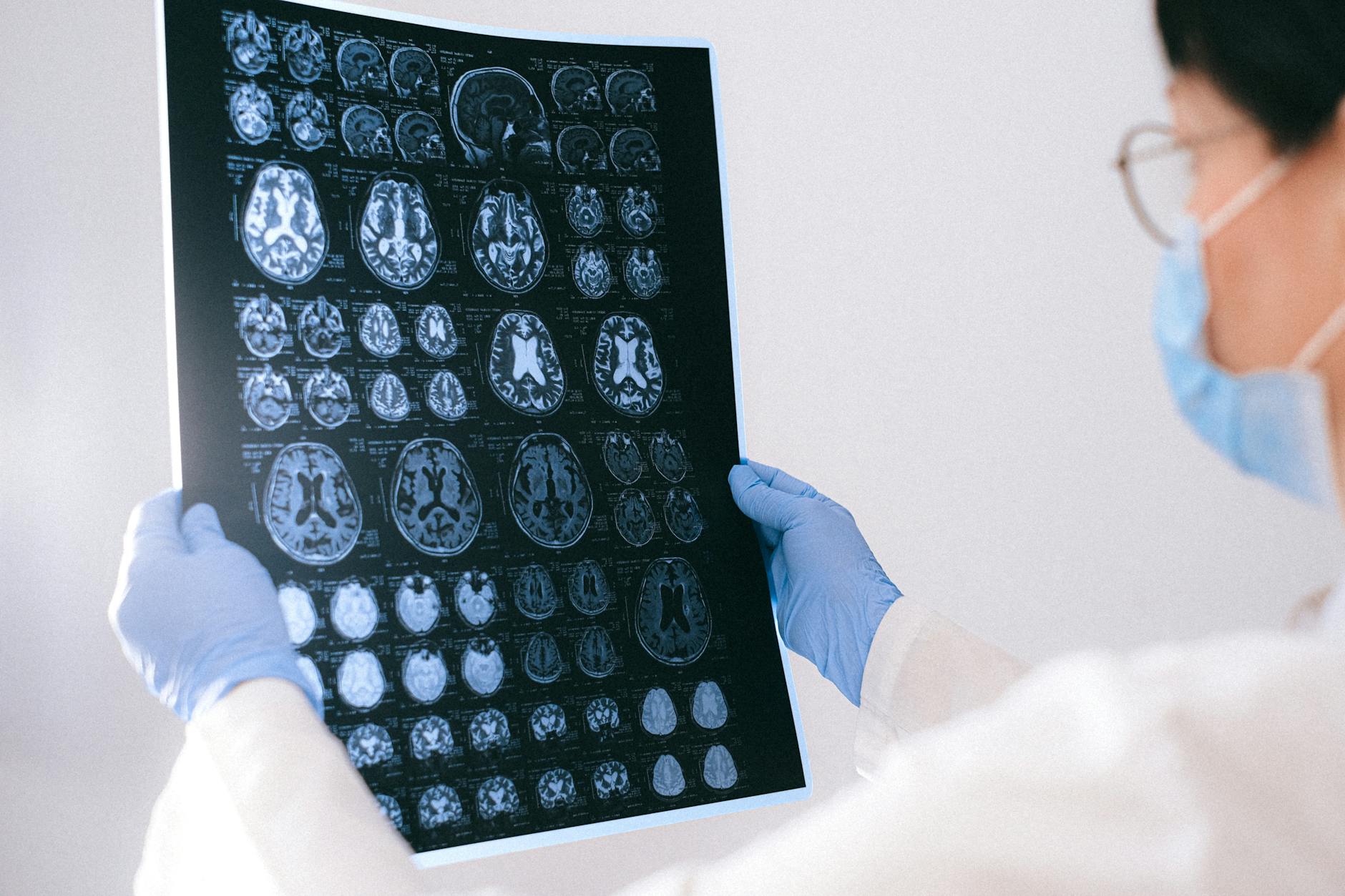
We look for distinct patterns on brain scans. Cortical ribboning is the classic sign we hunt for late at night. The folds of the brain light up unusually bright on a diffusion-weighted MRI. We still do not entirely understand why the misfolded proteins aggregate in these exact anatomical distributions. A robust clinical reference like the NCBI Bookshelf summary on etiology covers how RT-QuIC testing of spinal fluid has largely replaced older brain biopsy methods. We tap the lower spine, run the clear fluid, and wait for the lab to tell us if the protein is actively clumping. The waiting period is excruciating for families. You sit there knowing what the test will show.
5. The luck of the biological draw
Almost all the cases I treat are purely sporadic in nature. The disease begins without any identifiable reason whatsoever. My patients did not eat infected meat. They did not inherit a flawed genetic sequence from either parent. A normal protein in a healthy brain simply flipped inside out one random Tuesday morning. What triggers that spontaneous misfolding? We still lack a complete answer. It is a terrifying concept for rational people to accept. They want a clear cause. Families desperately want something to blame for the tragedy unfolding in front of them. I have to gently explain that human biology is sometimes just brutally unlucky. The microscopic machinery breaks down without warning.
6. The psychiatric masquerade
General practitioners frequently miss the initial presentation. They see a sixty-year-old man who suddenly seems apathetic, highly anxious, or deeply depressed. They prescribe an SSRI like sertraline. The patient gets worse over the next fortnight. Another family member told me last month, “He just sits in the dark and cries, and he doesn’t even know why.” That was only a week before the terrifying visual hallucinations started. The frontal lobes are taking microscopic damage long before the classic neurological signs ever appear. These subtle personality changes precede the physical clumsiness by weeks or even months. When a late-middle-aged adult develops sudden, treatment-resistant psychiatric symptoms completely out of nowhere, my clinical radar immediately goes up. I push hard for a prompt EEG. We look for periodic sharp wave complexes on the readout. The waves on the monitor look like a slow, rhythmic heartbeat of pure electrical dysfunction. By the time these patients finally reach my tertiary neurology clinic, they have usually seen three different doctors and tried two different antidepressants to no avail. The tragedy is that those early weeks were spent desperately chasing a psychological ghost while the brain was physically unraveling inside the skull.
7. The mad cow distraction
Everyone asks about tainted beef. Variant CJD from infected cattle made massive headlines in the nineties. I have never seen a single case of it in my entire career. It is exceptionally rare today. The sporadic form is the actual monster in the room.
8. When the world fragments
Sometimes the occipital lobe at the back of the head takes the first hit. This presentation is called the Heidenhain variant. Patients go to the local optometrist because their vision is blurring or colors look entirely wrong. The eye doctor finds absolutely nothing wrong with the optic nerve or the retina itself. The problem lies deep in the brain tissue trying to process the incoming visual input. Cortical blindness slowly develops over weeks. They can technically see the light entering the room, but the dying brain cannot translate that light into recognizable shapes or faces. I recall a man who thought his reading glasses were constantly dirty. He spent hours wiping lenses that were already perfectly clean.
9. The final silence
The terminal phase is medically known as akinetic mutism. The patient stops moving entirely. They stop speaking to their loved ones. They lie flat in a hospital bed with their eyes wide open, appearing perfectly awake but tracking absolutely nothing in the room. Is the patient experiencing physical pain in this rigid state? I do not believe so. The higher cortical functions required to process suffering have completely dissolved by this late point. We shift our focus entirely away from fighting the disease itself. We concentrate on keeping the patient clean, turning them regularly to prevent painful bedsores, and emotionally supporting the exhausted family sitting beside the bed. The vigil is intensely quiet. The room feels heavy with the waiting.
10. There is no cure
Families constantly beg for experimental trials. They ask about monoclonal antibodies or aggressive immunosuppressant therapies they read about online. Prions do not trigger a normal immune response because the human body recognizes the misfolded protein as its own natural material. White blood cells completely ignore the destruction happening right in front of them. We currently have no drug that slows the cellular decline. We offer aggressive palliative care instead. Our only goal becomes ensuring absolute physical comfort. It feels like a massive failure of modern medicine every single time I have to deliver this exact same speech to a grieving spouse. The microscopic biology simply outpaces our best science. You hold their hand, you sign the hospice orders, and you step out into the hallway.
We confront this disease by focusing on dignity rather than a miraculous cure. Comfort becomes the only meaningful medical objective left in the room.
Medical Disclaimer: This article is for informational purposes only and does not constitute professional medical advice. Always consult a qualified healthcare professional before making changes to your health routine.




