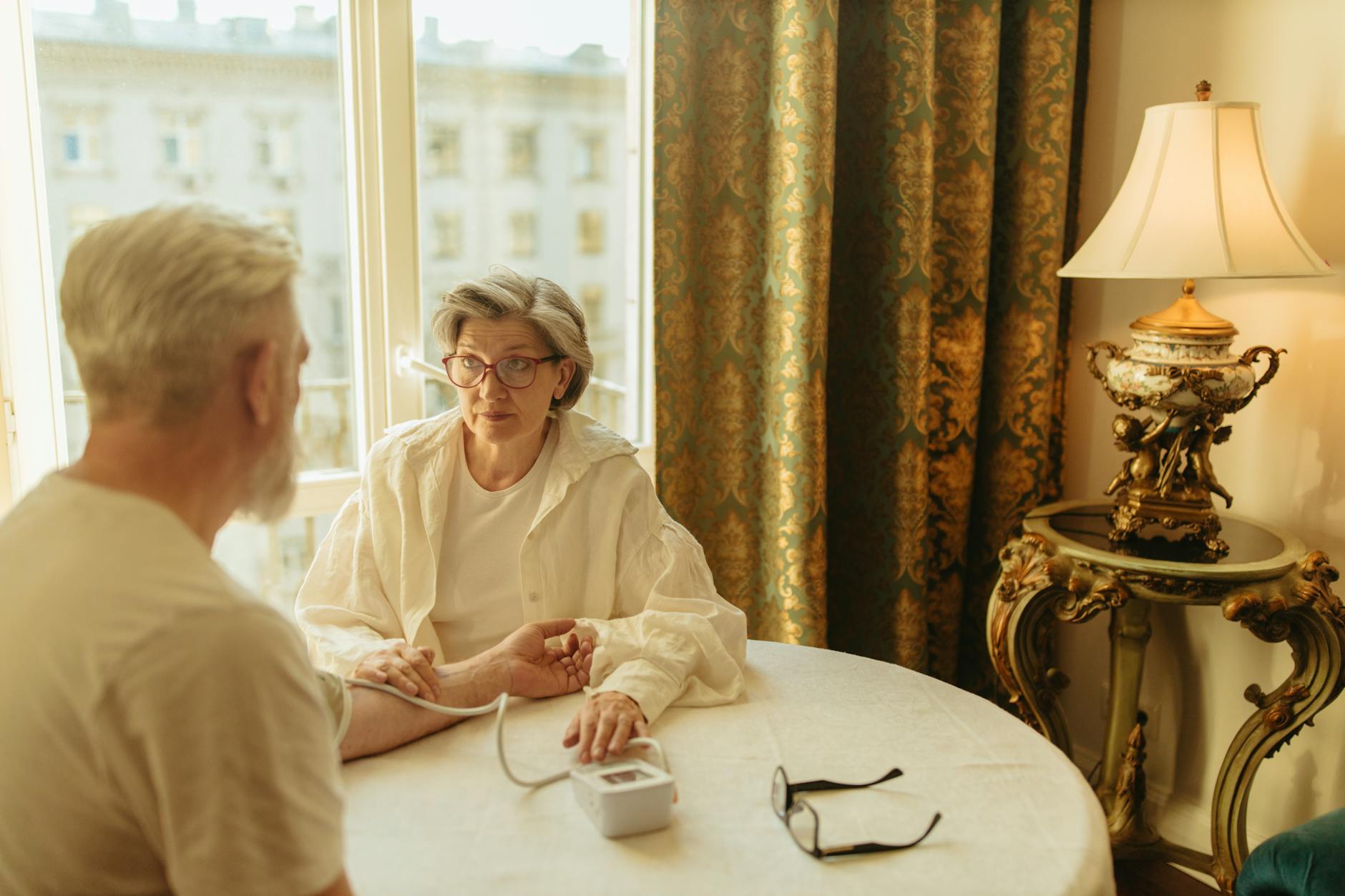
Low blood pressure — clinically called hypotension — affects millions of people, from young adults who feel dizzy when standing to older individuals dealing with chronic fatigue. While high blood pressure gets most of the attention, readings below 90/60 mmHg can cause fainting, organ damage, and serious complications if left unchecked. Understanding the most common low blood pressure causes is the first step toward protecting your health.
1. Dehydration
When your body loses more fluid than it takes in, blood volume drops. That reduced volume means less pressure pushing blood through your arteries. Even mild dehydration from skipping water on a hot day can trigger lightheadedness and fatigue. According to the NIH, dehydration is one of the leading factors behind reduced organ perfusion and low blood pressure. Severe cases involving vomiting, diarrhea, or excessive sweating can cause blood pressure to plummet rapidly. The practical fix is simple but essential. Aim for consistent fluid intake throughout the day, especially during exercise or illness. If you notice dark urine or persistent thirst, your body is already playing catch-up.
2. Medication Side Effects
Certain prescription drugs are among the most overlooked low blood pressure causes. Diuretics, beta-blockers, antidepressants, and drugs for Parkinson’s disease can all lower readings significantly. Research published in PubMed suggests that chronic symptomatic hypotension is often due to unrecognized medication effects. Even over-the-counter pain relievers may interact with blood pressure medications. If you feel faint or dizzy after starting a new prescription, don’t stop taking it on your own. Instead, talk to your doctor about adjusting the dose or switching to an alternative that suits your body better.
3. Heart Problems
Your heart is the engine that drives blood pressure. When it isn’t pumping efficiently, pressure in your arteries naturally falls. Conditions like heart failure, bradycardia, and heart valve disorders can all contribute. The NIH notes that cardiac dysfunction — including arrhythmias, heart failure, and valvular issues — is a well-documented mechanism behind hypotension. Symptoms may include shortness of breath, chest tightness, or swelling in the legs. If low blood pressure accompanies any of these warning signs, seek medical evaluation promptly. Early detection of underlying heart conditions can make a meaningful difference in treatment outcomes.
4. Endocrine Disorders
Hormones play a quiet but powerful role in regulating blood pressure. Adrenal insufficiency, also known as Addison’s disease, occurs when your adrenal glands produce too little cortisol and aldosterone. These hormones help manage sodium and fluid balance, so a deficiency can cause blood pressure to drop. Thyroid disorders and low blood sugar from diabetes may also trigger hypotension episodes. Clinical evidence shows that untreated endocrine imbalances often lead to chronic fatigue alongside low readings. If you experience unexplained weight loss, salt cravings, or persistent weakness, ask your doctor about hormone level testing as a next step.
5. Blood Loss
Losing a significant amount of blood reduces the total volume circulating through your body. This can happen suddenly from an injury or surgery, or gradually from internal bleeding like a stomach ulcer. Even heavy menstrual periods may contribute over time. The drop in volume means your heart has less fluid to pump, and blood pressure falls accordingly. Symptoms often include rapid heartbeat, cold skin, and confusion. Sudden blood loss is a medical emergency that requires immediate attention. If you notice signs of internal bleeding such as black stools or vomiting blood, get help right away.
6. Severe Infections (Sepsis)
When a serious infection enters the bloodstream, it can trigger sepsis — a life-threatening condition. Sepsis causes blood vessels to widen dramatically, leading to a dangerous drop in blood pressure called septic shock. This form of hypotension can damage organs within hours. Older adults and people with weakened immune systems face the highest risk. Early warning signs include fever, confusion, rapid breathing, and extreme fatigue. Studies indicate that prompt treatment with fluids and antibiotics significantly improves survival rates. If you suspect sepsis in yourself or a loved one, treat it as an emergency and call for medical help immediately.
7. Nutritional Deficiencies
What you eat — or don’t eat — directly impacts your blood pressure. Deficiencies in vitamin B12, folate, and iron can lead to anemia, a condition where your body lacks enough healthy red blood cells. The NIH identifies anemia and volume depletion as significant non-neurogenic factors in low blood pressure. Without adequate red blood cells, your tissues receive less oxygen and your blood pressure may fall. Symptoms often include pale skin, fatigue, and dizziness. A simple blood test can identify these deficiencies. Eating iron-rich foods like leafy greens and lean meats, or taking supplements under medical guidance, can help restore healthy levels.
8. Prolonged Bed Rest and Physical Deconditioning
Spending extended time in bed — after surgery, illness, or injury — weakens your cardiovascular system. Your heart becomes less efficient at adjusting to position changes when you finally stand up. This often results in orthostatic hypotension, a sudden blood pressure drop upon rising. Research suggests that physical deconditioning is a recognized contributor to this type of hypotension. Astronauts returning from space experience a similar effect due to prolonged weightlessness. The good news is that gradual, supervised movement can help retrain your circulatory system. If you’ve been bedridden, work with a physical therapist to safely rebuild your stamina and vascular tone.
9. Nervous System Triggers (Vasovagal Responses)
Sometimes your nervous system overreacts to certain stimuli and causes blood pressure to plummet. This is called a vasovagal response, and it can be triggered by standing for long periods, extreme heat, or emotional stress. Even everyday actions like coughing, straining during a bowel movement, or urinating can activate this reflex in some people. Published research has linked paroxysmal parasympathetic activation from stimuli like cough or micturition to chronic symptomatic hypotension. The result is often sudden fainting or near-fainting. Recognizing your personal triggers is key. Sitting down quickly when you feel lightheaded and tensing your leg muscles can help redirect blood flow back to your brain.
10. Aging
Growing older changes how your body regulates blood pressure. Blood vessels stiffen, the heart’s response slows, and the baroreceptors that sense pressure changes become less sensitive. These shifts make older adults especially vulnerable to postural hypotension after meals or when standing. Studies indicate that adults over 65 experience orthostatic blood pressure drops at significantly higher rates. Certain age-related conditions like Parkinson’s disease and diabetes compound the risk further. Eating smaller, more frequent meals and rising slowly from seated positions are simple strategies that may help. Regular check-ups become increasingly important as you age to catch blood pressure changes early.
Low blood pressure causes range from everyday factors like dehydration and diet to serious conditions involving the heart and nervous system. Knowing what might be behind your symptoms empowers you to have a more informed conversation with your doctor. If you experience frequent dizziness, fainting, or fatigue, schedule an appointment to explore what’s driving your numbers down.
Medical Disclaimer: This article is for informational purposes only and does not constitute medical advice. Always consult a qualified healthcare professional before making health decisions.




