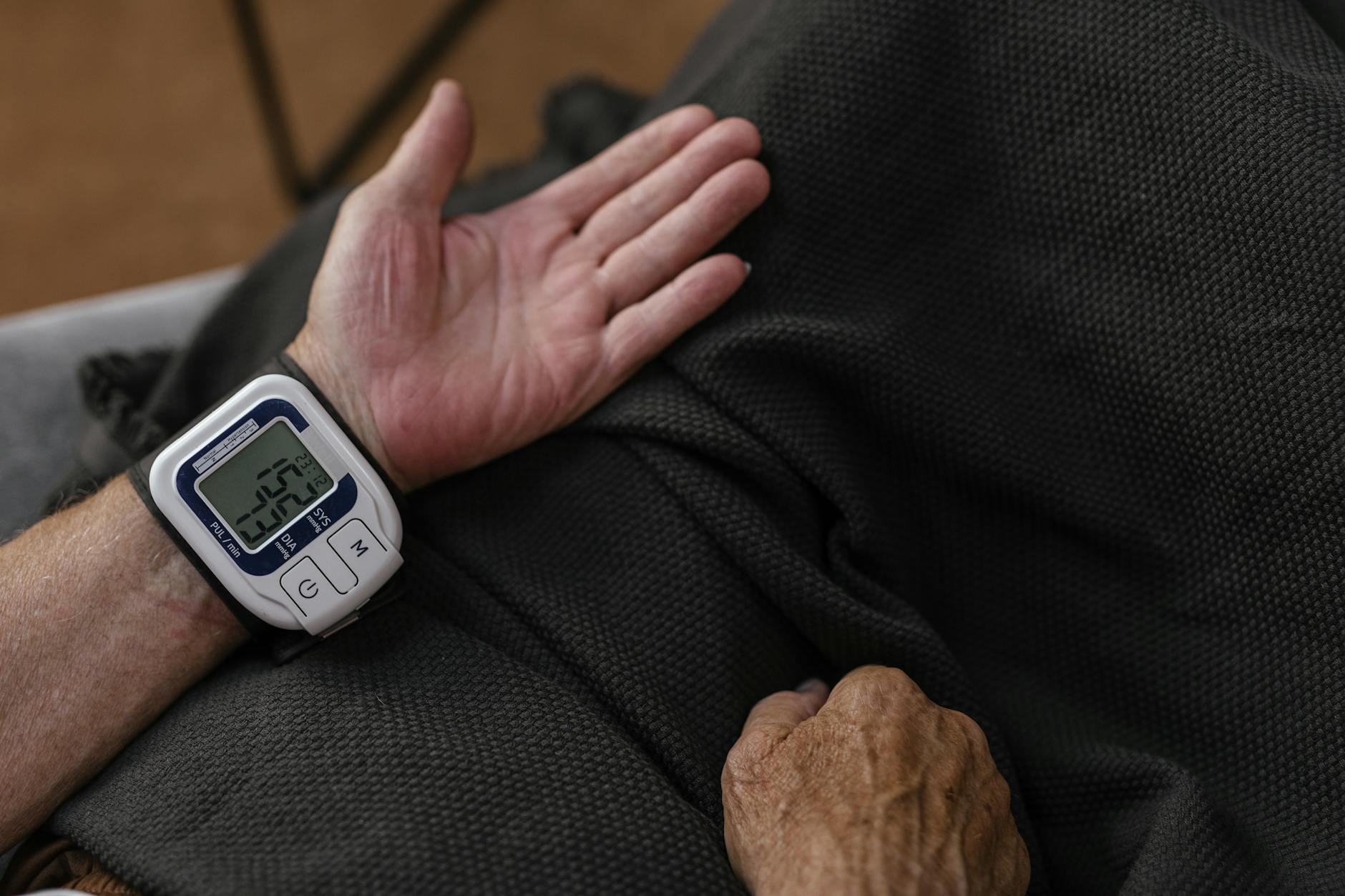
Low blood pressure — clinically known as hypotension — affects millions of people, ranging from young adults who faint easily to older individuals dealing with dangerous drops when they stand up. While high blood pressure often grabs headlines, chronically low readings can cause dizziness, fatigue, blurred vision, and even falls that lead to serious injury. The good news is that effective low blood pressure treatment options exist, and many of them start with simple lifestyle changes.
1. Increase Your Fluid Intake
Dehydration is one of the most common and overlooked causes of low blood pressure. When your body lacks adequate fluids, blood volume drops and your heart struggles to maintain pressure. Research from the NIH suggests that staying well-hydrated is a foundational lifestyle modification for managing hypotension. Most adults benefit from drinking at least eight glasses of water per day. During hot weather or physical activity, your needs increase significantly. Try keeping a reusable water bottle with you throughout the day to make hydration a consistent habit rather than an afterthought.
2. Boost Your Salt Intake Strategically
Unlike people with hypertension, those with low blood pressure may actually benefit from a bit more sodium. Salt helps your body retain water, which increases blood volume and supports healthier pressure levels. Clinical evidence from the NIH identifies increased salt and fluid intake as a mainstay of orthostatic hypotension treatment. However, this does not mean reaching for processed junk food. Adding a pinch of sea salt to meals or choosing naturally briny foods like olives and pickles offers a more balanced approach. Always discuss sodium adjustments with your doctor first, especially if you have kidney or heart concerns.
3. Wear Compression Stockings
Compression stockings might not win any fashion awards, but they are remarkably effective. These snug garments apply gentle pressure to your legs, preventing blood from pooling in the lower extremities. When blood circulates back to your heart more efficiently, your overall pressure stabilizes. Studies indicate they are particularly helpful for people with orthostatic hypotension, which causes dizziness upon standing. Graduated compression stockings that are tighter at the ankle and looser toward the knee tend to work best. Ask your healthcare provider about the right compression level for your specific situation.
4. Avoid Sudden Position Changes
Standing up too quickly is a classic trigger for blood pressure drops. Gravity pulls blood toward your legs, and your cardiovascular system needs a moment to compensate. This delay can cause lightheadedness or even fainting. A practical habit is to sit on the edge of your bed for thirty seconds before standing in the morning. When rising from a chair, push up slowly and hold the armrest for support. These small, deliberate movements give your blood vessels time to constrict and redirect blood flow upward toward your brain.
5. Eat Smaller, More Frequent Meals
Large meals can cause a significant drop in blood pressure as your body diverts blood flow to the digestive system. This phenomenon, called postprandial hypotension, is especially common in older adults. Eating five or six smaller meals throughout the day rather than three large ones helps keep blood pressure more stable. Reducing high-carbohydrate portions also appears to help, since refined carbs digest quickly and can amplify the blood pressure dip. Pairing complex carbohydrates with lean protein and healthy fats slows digestion and provides a more gradual energy release that supports steady circulation.
6. Engage in Regular Physical Activity
Exercise might seem counterintuitive when you already feel dizzy, but regular moderate activity actually trains your cardiovascular system to manage blood pressure more effectively. Walking, swimming, and cycling are excellent low-impact choices. Research suggests that consistent physical activity improves blood vessel tone and helps your body adapt to positional changes. Start slowly if you are new to exercise, and avoid holding your breath during strength training. Exercising in a cool environment and staying hydrated during workouts are also important precautions for anyone managing hypotension.
7. Limit Alcohol Consumption
Alcohol is a vasodilator, meaning it widens your blood vessels and can cause blood pressure to drop further. Even moderate drinking may worsen symptoms in people already prone to hypotension. The dehydrating effect of alcohol compounds the problem by reducing blood volume at the same time vessels are relaxing. If you choose to drink, doing so in moderation and alongside plenty of water can help minimize the impact. Paying attention to how your body responds after even one glass of wine can provide useful insight into your personal tolerance level.
8. Review Your Current Medications
Many commonly prescribed medications can lower blood pressure as a side effect. Diuretics, beta-blockers, antidepressants, and certain Parkinson’s disease drugs are frequent culprits. If you have noticed worsening symptoms, your medication list deserves a careful review. Clinical evidence highlights that de-escalation of antihypertensives is a key treatment strategy for orthostatic hypotension. Never stop or adjust prescriptions on your own. Instead, schedule an appointment with your doctor to discuss whether dose modifications or alternative medications could improve your symptoms safely.
9. Consider Prescription Medications for Hypotension
When lifestyle changes are not enough, prescription medications may become necessary. Midodrine is one of the most commonly prescribed drugs for chronic hypotension. It works by tightening blood vessels to raise resting blood pressure. According to PubMed, some patients with hypotension may require daily medications such as midodrine to maintain adequate blood pressure levels. Fludrocortisone, a synthetic steroid that promotes sodium retention, is another option your doctor might consider. Both medications require careful monitoring, so regular follow-up visits are essential to track effectiveness and watch for side effects.
10. Elevate the Head of Your Bed
Sleeping with the head of your bed raised four to six inches can make a meaningful difference for people with orthostatic hypotension. This slight incline encourages your body to retain more sodium overnight and reduces the dramatic blood pressure drop that occurs when you first get up in the morning. You can achieve this by placing sturdy blocks or risers under the headboard legs rather than simply stacking pillows, which only elevates your neck. Many people notice improvement within the first week. It is a simple, cost-free adjustment that complements other low blood pressure treatment strategies effectively.
Managing low blood pressure often requires a combination of approaches tailored to your unique health profile. From staying hydrated and adjusting your salt intake to exploring prescription options with your doctor, these ten strategies offer a strong foundation for feeling steadier and more energized. Start by picking two or three changes you can implement this week, and work with your healthcare provider to build a personalized plan.
Medical Disclaimer: This article is for informational purposes only and does not constitute medical advice. Always consult a qualified healthcare professional before making health decisions.




