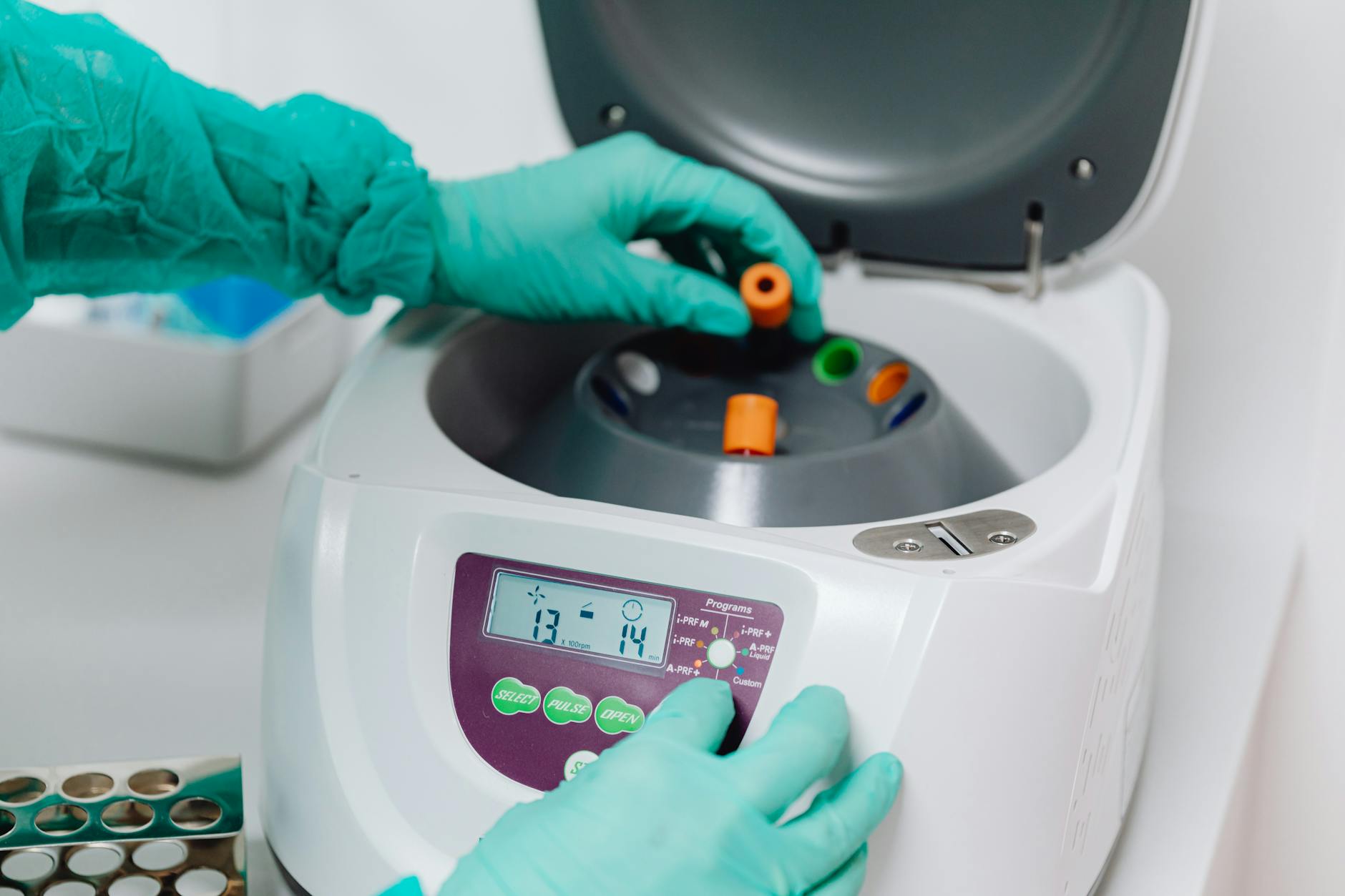
Platelets are tiny blood cells that help your body form clots and stop bleeding, and when their numbers dip below the normal range of 150,000 to 400,000 per microliter, doctors call it thrombocytopenia. Understanding low platelet count causes is important because even a mild drop can lead to unusual bruising, prolonged bleeding, or more serious complications. Below are ten of the most common reasons your platelet count may fall.
1. Immune Thrombocytopenia (ITP)
Immune thrombocytopenia, or ITP, is one of the most well-known low platelet count causes. In this condition, the immune system mistakenly produces antibodies that tag platelets for destruction. Your spleen then removes these tagged platelets faster than the bone marrow can replace them. Research suggests ITP can appear suddenly in children after a viral illness, while in adults it often becomes a chronic condition. According to PubMed, ITP is a leading immune-related cause of increased platelet destruction. Symptoms may include easy bruising, tiny reddish-purple spots on the skin, and nosebleeds. If you notice unexplained bruising, talk to your doctor about a simple blood test to check your platelet levels.
2. Viral and Bacterial Infections
Certain infections can directly suppress the bone marrow or trigger immune responses that destroy platelets. Viruses like hepatitis C, HIV, Epstein-Barr, and even the common flu have all been linked to temporary drops in platelet counts. Bacterial infections such as sepsis can also cause platelets to be consumed rapidly as the body attempts to fight widespread inflammation. Clinical evidence shows that platelet counts often recover once the underlying infection is treated. Staying current on vaccinations and practicing good hygiene are practical steps to reduce your risk of infection-related platelet drops.
3. Medications and Drug-Induced Thrombocytopenia
A wide range of medications can lower platelet counts as a side effect. Common culprits include heparin, certain antibiotics, anticonvulsants, and chemotherapy drugs. As noted by PubMed, drug-induced thrombocytopenia is among the most frequent causes of low platelet counts encountered in clinical practice. Some drugs reduce platelet production in the bone marrow, while others trigger immune-mediated destruction. Heparin-induced thrombocytopenia deserves special attention because it can paradoxically increase clotting risk. Always inform your healthcare provider about every medication and supplement you take so they can monitor your blood counts accordingly.
4. Liver Disease and Cirrhosis
Your liver plays a larger role in platelet health than most people realize. The liver produces thrombopoietin, a hormone that signals the bone marrow to make new platelets. When liver disease or cirrhosis damages the organ, thrombopoietin production drops significantly. Additionally, an enlarged spleen — a common complication of liver disease — traps and destroys platelets at a higher rate. Studies indicate that up to three-quarters of people with advanced cirrhosis experience some degree of thrombocytopenia. Limiting alcohol intake and managing conditions like hepatitis are key steps to protect both your liver and your platelet count.
5. Splenic Sequestration
The spleen normally stores about one-third of your body’s platelets. When the spleen becomes enlarged due to liver disease, infections, or blood cancers, it can trap far more platelets than usual. This process is called splenic sequestration. According to PubMed, splenic sequestration is a well-recognized mechanism behind low platelet counts. The platelets themselves are not defective — they are simply held hostage inside the enlarged organ. Treating the underlying cause of spleen enlargement often helps restore normal platelet circulation. Your doctor may use an ultrasound or CT scan to evaluate spleen size if sequestration is suspected.
6. Nutritional Deficiencies
Your bone marrow needs specific nutrients to produce healthy platelets. Deficiencies in vitamin B12, folate, and iron can all impair this process. Severe folate deficiency, for example, disrupts the production of DNA needed for new cell growth in the marrow. Vitamin B12 deficiency can cause a type of anemia that reduces platelet counts alongside red blood cells. Heavy alcohol use often worsens these deficiencies by interfering with nutrient absorption. A balanced diet rich in leafy greens, lean meats, eggs, and fortified cereals can help support adequate platelet production. If you suspect a deficiency, a blood panel can confirm it quickly.
7. Bone Marrow Disorders
Since platelets are manufactured inside bone marrow, any disease that damages or crowds out healthy marrow tissue can reduce production. Conditions like leukemia, myelodysplastic syndromes, and aplastic anemia are among the most serious low platelet count causes. In leukemia, abnormal white blood cells multiply uncontrollably and take over space needed for platelet-producing cells. Aplastic anemia involves the near-complete failure of the bone marrow. These conditions often cause additional symptoms like fatigue, frequent infections, and unexplained weight loss. Early detection through routine blood work gives doctors the best chance to intervene effectively.
8. Pregnancy-Related Conditions
Mild thrombocytopenia is relatively common during pregnancy, affecting roughly five to ten percent of expectant mothers. Gestational thrombocytopenia is usually harmless and resolves after delivery. However, more serious conditions like preeclampsia and HELLP syndrome can cause dangerously low platelet counts. HELLP syndrome involves hemolysis, elevated liver enzymes, and low platelets, and it requires urgent medical attention. As referenced by NIH, thrombocytopenia develops when the body destroys platelets prematurely, which can happen in these pregnancy complications. Pregnant women should attend all scheduled prenatal appointments so doctors can catch platelet changes early.
9. Autoimmune Diseases
Beyond ITP, several autoimmune diseases can contribute to low platelet counts. Lupus, rheumatoid arthritis, and antiphospholipid syndrome all involve an overactive immune system that may attack platelets. In lupus, for instance, the body can produce antiplatelet antibodies that accelerate destruction. Thrombocytopenia may sometimes be the first noticeable sign of an undiagnosed autoimmune condition. Research suggests that managing the underlying autoimmune disease with immunosuppressive therapy often helps improve platelet numbers over time. If you have a family history of autoimmune disorders, mention it to your doctor during routine checkups so they can order appropriate screening.
10. Disseminated Intravascular Coagulation (DIC)
Disseminated intravascular coagulation is a life-threatening condition where the blood clotting system goes into overdrive. Tiny clots form throughout the bloodstream, rapidly consuming platelets and clotting factors. This paradoxically leaves the body unable to stop bleeding where it matters most. DIC is not a standalone disease — it is triggered by severe infections, trauma, cancer, or obstetric emergencies. The condition demands immediate hospital treatment to address the underlying trigger and replenish clotting components. Recognizing warning signs like widespread bruising, bleeding from multiple sites, and organ dysfunction can help prompt faster emergency care.
Low platelet count causes range from mild nutritional gaps to serious medical emergencies, making it essential to take any unexplained changes in your blood work seriously. If you experience unusual bruising, prolonged bleeding, or fatigue, schedule an appointment with your healthcare provider for a complete blood count and proper evaluation.
Medical Disclaimer: This article is for informational purposes only and does not constitute medical advice. Always consult a qualified healthcare professional before making health decisions.




