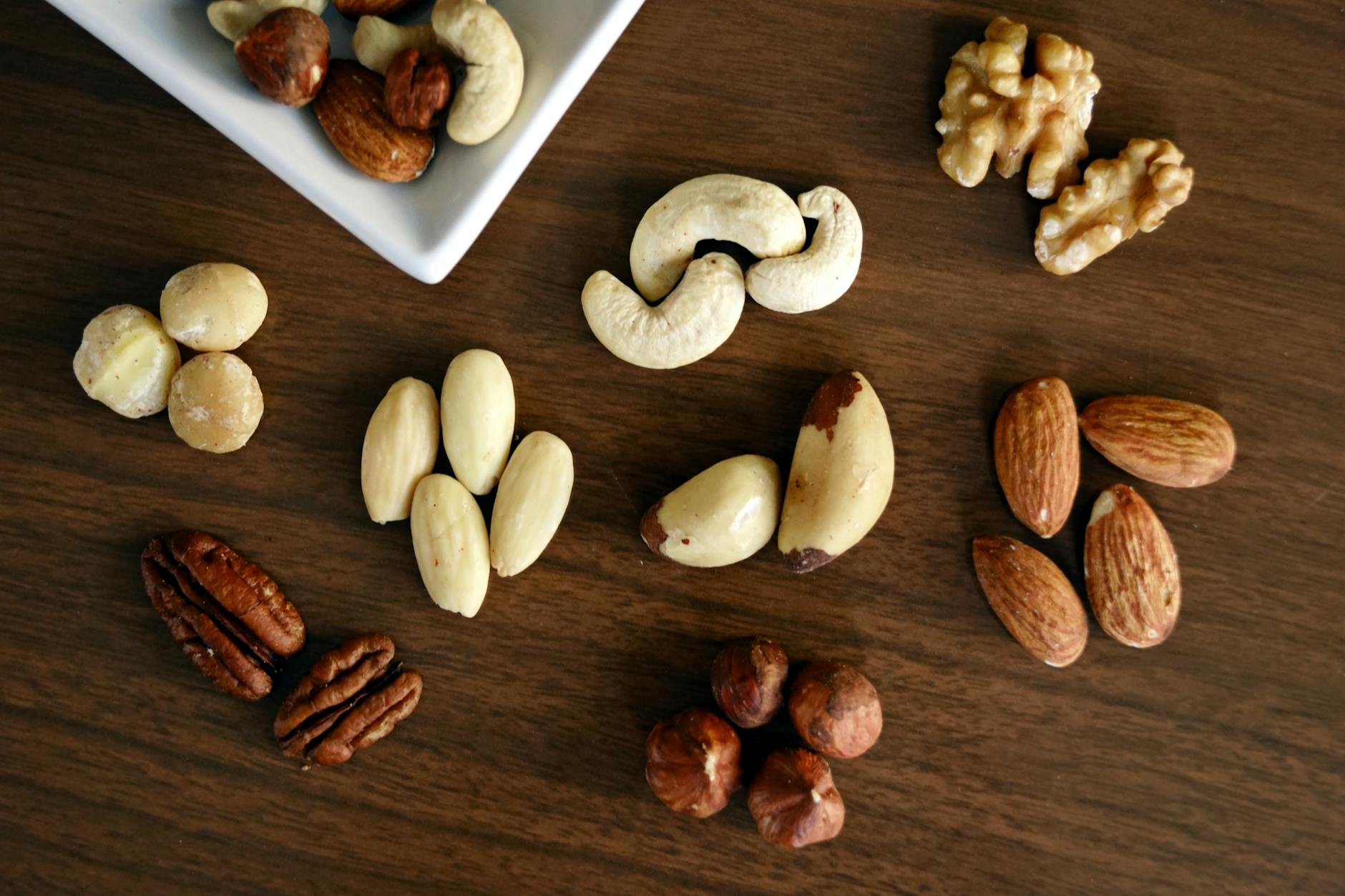
Patients bring me a lot of food logs. I see the same apologetic note scribbled next to macadamia nuts, treating them like a dietary sin because of the fat content. They usually don’t realize they’re looking at one of the few lipid profiles that actually repairs metabolic damage.
1. The palmitoleic acid reality
Most articles will tell you nuts are good for your heart. That framing misses the point entirely. General practitioners often glance at a standard lipid panel and tell patients to cut back on all dietary fats when their LDL creeps up. They miss the nuanced ratio of monounsaturated fats to saturated fats that specialists look for in insulin-resistant patients. Macadamia nuts carry an unusually high payload of palmitoleic acid, an omega-7 fatty acid. I had a patient come in last month clutching her labs. “My doctor told me to stop eating those Hawaiian nuts because they’re basically butter,” she complained. She was furious. But when we looked at her advanced testing, her small dense LDL particles had actually decreased over the six months she had been eating them daily. Her primary care doctor just saw the total fat intake and panicked. The textbook presentation of hyperlipidemia suggests dietary fat restriction works uniformly. In the exam room, patients who swap carbohydrates for the monounsaturated fats found here often see their panels stabilize. Fulgoni et al. observed in 2020 that replacing fifteen percent of daily calories with these nuts increased oleic and palmitoleic acids while marginally lowering carbohydrate intake in obese adults. The fat isn’t the enemy.
2. Caloric density behavior
The sheer caloric density terrifies people. You look at the jar and see an astronomical calorie count per serving. But weight gain doesn’t materialize the way the math suggests it should. The satiety signaling triggered by this lipid matrix cuts off hunger very abruptly. Patients report forgetting to eat dinner after a late afternoon handful. It just shuts down the grazing impulse completely.
3. Cholesterol shifts
I recognized the subtle yellowing of xanthelasma around my patient’s eyelids before the blood work even came back. He had aggressive familial hypercholesterolemia. “I feel like my blood is turning into sludge,” he told me quietly during that visit. We had to rethink his entire intake strategy. We used a targeted dose of macadamia nuts to shift his ratios. Garg and colleagues demonstrated in 2003 that forty to ninety grams daily reduced LDL cholesterol by over five percent while increasing HDL by nearly eight percent in hypercholesterolemic men. We saw a similar shift in his next draw. The mechanism involves the rapid clearance of lipoproteins from the bloodstream, though the exact hepatic receptor pathway is not fully understood yet.
4. The saturated fat illusion
Do they contain saturated fat? Yes, they absolutely do. You’ll see it listed right there on the nutrition label and assume you’re doing arterial damage. (The nutrition label is a terribly blunt instrument for metabolic health). The saturated fat present is largely stearic acid, which the liver rapidly converts into oleic acid anyway. You are consuming a saturated fat that behaves like a monounsaturated fat inside your vessels. A 2023 trial by the same research group showed that incorporating them into the diet increased total fat intake but kept actual saturated fat levels completely unchanged in adults with abdominal obesity. Your body simply processes the lipid chain differently.
5. Carbohydrate crowding
Eating them forces a natural carbohydrate restriction without conscious effort.
When you eat a food composed almost entirely of lipids and fiber, your blood sugar remains flat. There is no insulin spike to manage. The pancreas gets a break. You avoid the reactive hypoglycemia that drives mid-afternoon sugar cravings.
6. Prebiotic fiber mechanics
Everyone fixates on the fat profile and completely ignores the structural matrix holding it all together. Macadamia nuts deliver a robust dose of soluble fiber. This material survives the acidic wash of the stomach to become fuel for your colonic microbiome. Gut bacteria ferment this fiber into short-chain fatty acids like butyrate. Butyrate feeds the cells lining your colon directly. I rarely see gastroenterologists discuss this when mapping out dietary interventions for mild colitis. They usually jump straight to synthetic fiber supplements that taste like drywall. Real food matrices provide a more gradual fermentation process. You aren’t shocking the gut with a concentrated powder. This means less bloating and steady mucosal repair.
7. The magnesium connection
We routinely fail to recognize cellular magnesium depletion until the symptoms become impossible to ignore. A textbook will tell you to look for severe arrhythmias or trousseau signs. What I actually see in the exam room is a tired middle-aged woman complaining about a twitching eyelid or leg cramps that wake her up at 3 AM. Blood tests for magnesium are notoriously deceiving because less than one percent of the body’s magnesium is actually in the blood. You can have a perfectly normal serum magnesium level while your tissues are completely starved. Macadamia nuts offer a highly bioavailable source of this mineral. It sits right alongside potassium and calcium in the nut’s cellular structure. This triad of electrolytes regulates nerve transmission and muscle contraction. When you eat them raw or dry-roasted, you ingest an electrolyte replacement package far superior to neon-colored sports drinks. I often prescribe a daily handful exclusively for patients dealing with benign fasciculations. The twitching usually stops within two weeks. Most people try to fix these cramps by eating bananas, loading up on sugar they don’t need just to get a mediocre dose of potassium. The mineral matrix in this nut bypasses that problem entirely. The density is just incredibly concentrated.
8. Oxidation resistance
Walnuts and pecans go rancid quickly because polyunsaturated fats are highly unstable. Macadamia nuts resist oxidation fiercely. Their lipid profile is heavily skewed toward monounsaturated fats, which are structurally far more stable at room temperature. This translates directly to how they behave inside human biology. When you consume oxidized fats from stale walnuts or old cooking oils, you trigger an immediate inflammatory cascade in the endothelium. Your body has to deploy endogenous antioxidants to clean up the mess. Eating fats that resist oxidative stress preserves your internal antioxidant reserves. They arrive in your digestive tract intact and undamaged. This stable profile makes them uniquely suited for travel or keeping in a desk drawer for weeks. You aren’t unknowingly swallowing rancid lipids.
9. Phytic acid levels
Anti-nutrients like phytic acid load up standard almonds and walnuts. This compound binds to minerals in your digestive tract and prevents you from absorbing them. You might eat a food rich in iron, but the phytic acid escorts that iron right out of your body. Macadamia nuts contain barely any phytic acid by comparison. You get to keep the minerals you ingest. We spend an enormous amount of time calculating what people eat, but we spend very little time calculating what they actually absorb. A nutrient profile on a piece of paper means nothing if the food contains compounds that block digestion. The low anti-nutrient profile here ensures maximum biological uptake. You actually absorb the calcium and iron listed on the package.
10. The omega-3 to omega-6 ratio
Modern food supplies drown us in linoleic acid. This omega-6 fatty acid drives systemic inflammation when not balanced with omega-3s. Most commercial nuts, peanuts especially, are massive reservoirs of omega-6. Macadamia nuts are practically devoid of it. You can consume them in large quantities without skewing your inflammatory markers. They provide the mechanical satisfaction of eating a crunchy snack without dumping pro-inflammatory precursors into your bloodstream. They sit quietly in the background of your diet. They don’t provoke your immune system or trigger systemic swelling. The arachidonic acid cascade never gets activated. Your macrophages simply ignore them.
Patients who shift their dietary fats often see changes in their lipid panels within ninety days. Request an advanced lipid profile if your standard panel shows rising total cholesterol while eating these.
Medical Disclaimer: This article is for informational purposes only and does not constitute professional medical advice. Always consult a qualified healthcare professional before making changes to your health routine.




