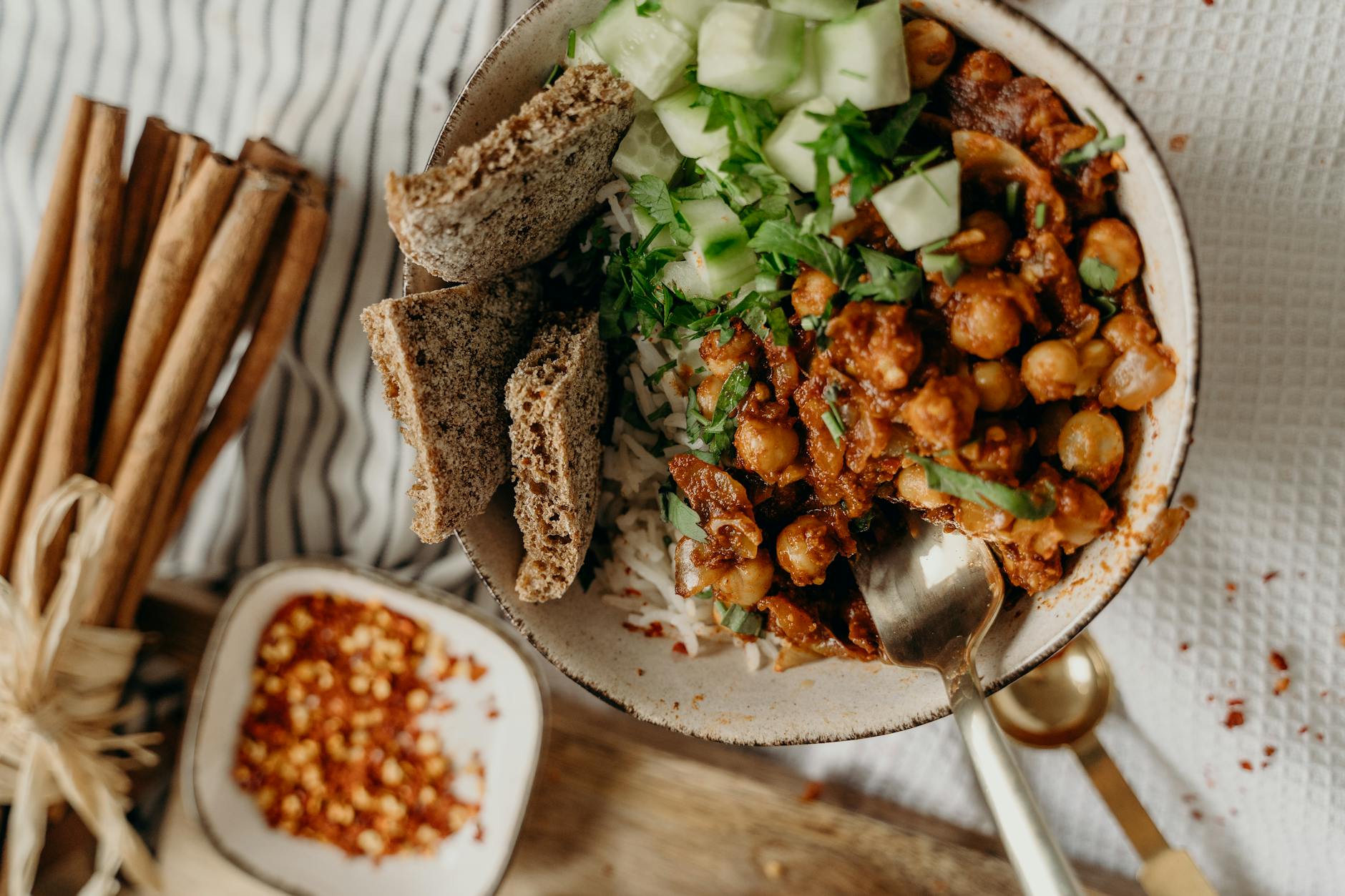
Nearly half of all Americans don’t get enough magnesium from their diet, according to national nutrition surveys. This essential mineral plays a role in over 300 enzymatic reactions in the body, from nerve function to blood sugar regulation. The good news is that boosting your intake can be as simple as choosing the right magnesium rich foods at the grocery store.
1. Pumpkin Seeds
Ounce for ounce, pumpkin seeds are one of the most concentrated sources of magnesium available. According to the NIH, just one ounce delivers roughly 156 mg of magnesium, which covers about 37 percent of the daily value. These small but mighty seeds also provide zinc, iron, and healthy fats. You can sprinkle them on salads, blend them into smoothies, or simply enjoy a handful as a satisfying afternoon snack. Roasting them with a pinch of sea salt makes an easy, portable option that travels well for busy days. Keeping a bag in your pantry is one of the simplest ways to consistently support your magnesium intake.
2. Dark Chocolate
Here is a treat that doubles as a mineral source. A one-ounce serving of dark chocolate with 70 percent or higher cocoa content provides around 65 mg of magnesium. It also supplies antioxidants called flavonoids, which research suggests may support cardiovascular health. The key is choosing high-quality dark chocolate and keeping portions reasonable. A square or two after dinner satisfies a sweet craving while contributing meaningful nutrition. Look for brands with minimal added sugar to maximize the health benefits without the excess calories.
3. Spinach
Leafy greens are nutritional powerhouses, and spinach leads the pack when it comes to magnesium. Research published in PubMed classifies spinach as a high-magnesium vegetable, delivering over 30 mg per 100 grams of fresh weight. One cooked cup can provide nearly 40 percent of the daily value. Spinach is also rich in vitamin K, folate, and iron. Toss raw leaves into a salad, wilt them into pasta sauces, or add a handful to your morning scrambled eggs. Cooking spinach actually concentrates its mineral content, so cooked preparations may deliver even more magnesium per serving.
4. Almonds
Almonds are a beloved snack that quietly packs a serious nutritional punch. The NIH notes that one ounce of dry-roasted almonds provides about 80 mg of magnesium, covering roughly 19 percent of the daily value. They are also an excellent source of vitamin E and heart-healthy monounsaturated fats. Studies indicate that regular nut consumption may support healthy cholesterol levels. Almond butter spread on whole grain toast makes a convenient magnesium-boosting breakfast. Even a small handful between meals can help you steadily meet your daily mineral needs.
5. Black Beans
Legumes deserve a regular spot on your plate, and black beans are an affordable standout. One cooked cup provides approximately 120 mg of magnesium along with impressive amounts of fiber and plant-based protein. Clinical evidence shows that diets rich in legumes may support blood sugar management and gut health. A PubMed review found that a magnesium-rich diet including legumes is associated with lower risk of cardiovascular disease and coronary heart disease. Black beans work well in soups, tacos, grain bowls, and even brownies. Rinsing canned beans reduces sodium, making them a quick and practical weeknight ingredient.
6. Chia Seeds
Tiny chia seeds pack a remarkable mineral density that belies their size. One ounce provides around 111 mg of magnesium, covering about 26 percent of the daily value. They also deliver omega-3 fatty acids, fiber, and complete protein. When soaked in liquid, chia seeds form a gel-like texture that works beautifully in puddings and overnight oats. You can also stir them into yogurt or sprinkle them over fruit. Because they absorb many times their weight in water, they may help with hydration and satiety. Starting with one to two tablespoons a day is a practical way to incorporate them.
7. Whole Grain Brown Rice
Swapping white rice for brown rice is a simple dietary upgrade with measurable benefits. One cooked cup of brown rice contains about 84 mg of magnesium, thanks to the intact bran and germ layers that refining strips away. Research in PubMed suggests that a diet high in magnesium-rich whole grains is associated with a substantially lower risk of type 2 diabetes. Brown rice also provides B vitamins, selenium, and steady-release carbohydrates. It pairs well with stir-fries, curries, and grain bowls. Cooking a large batch at the start of the week makes it easy to add to meals throughout the week.
8. Avocado
Avocados have earned superfood status for good reason. One medium avocado serves up approximately 58 mg of magnesium alongside potassium, fiber, and monounsaturated fats. Research suggests that these healthy fats may help the body absorb fat-soluble vitamins more efficiently. Avocados are incredibly versatile in the kitchen. Spread them on toast, blend them into smoothies for creaminess, or dice them into salsas and salads. Their mild flavor and rich texture make them appealing even to picky eaters. Adding half an avocado to one meal a day is an easy strategy for boosting both magnesium and overall nutrient intake.
9. Edamame
These young soybeans make a protein-packed appetizer that also happens to be rich in magnesium. One cooked cup of shelled edamame delivers around 100 mg of magnesium along with roughly 17 grams of plant protein. They are also a source of folate, vitamin K, and fiber. Edamame is widely available in the frozen section, making it accessible year-round. Simply steam or microwave them, sprinkle with a little salt, and enjoy. You can also toss shelled edamame into grain salads, stir-fries, or noodle dishes for a magnesium boost that adds color and satisfying texture to everyday meals.
10. Cashews
Cashews round out this list as a creamy, mild-flavored nut with a solid magnesium profile. One ounce provides about 74 mg of magnesium, along with copper, phosphorus, and manganese. Their naturally buttery taste makes them popular in both savory and sweet recipes. Cashew butter is a smooth alternative to peanut butter that works well in sauces and dressings. Blended raw cashews also serve as the base for dairy-free cream sauces and cheeses. Keeping a portion-sized bag of unsalted cashews at your desk or in your bag ensures you always have a nutrient-dense snack within reach.
Getting enough magnesium doesn’t require supplements or drastic changes. By weaving several of these magnesium rich foods into your weekly meals, you can steadily support your heart, muscles, and metabolism with every bite. Pick two or three items from this list to try this week and build from there.
Medical Disclaimer: This article is for informational purposes only and does not constitute medical advice. Always consult a qualified healthcare professional before making health decisions.




