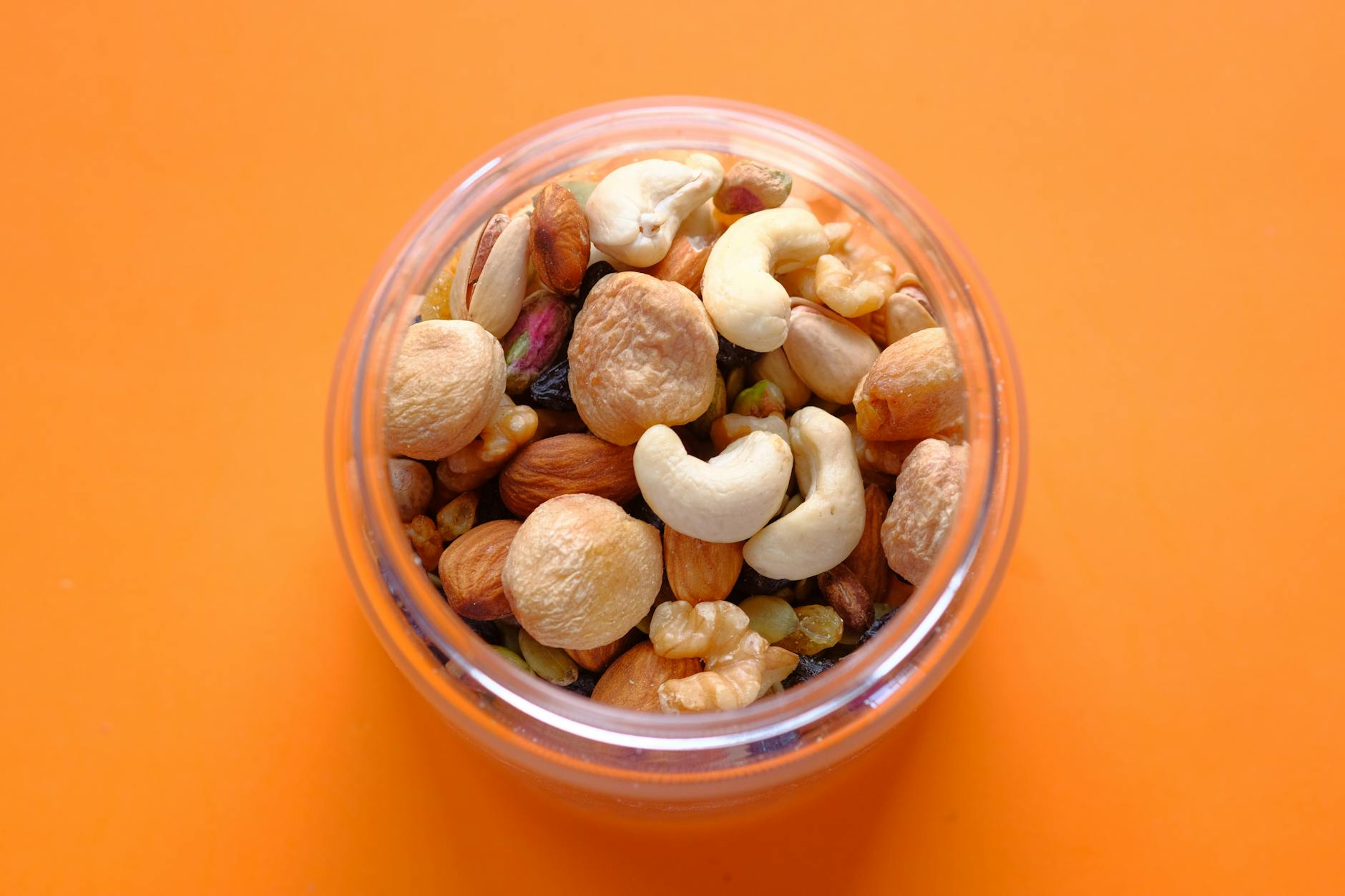
Low energy is one of the most common health complaints, affecting millions of people who reach for coffee or sugary snacks just to get through the day. The foods you eat play a direct role in how energized or drained you feel, and choosing the right ones can make a noticeable difference. Swapping processed picks for natural energy foods gives your body steady fuel instead of a spike-and-crash cycle.
1. Bananas
Bananas are one of nature’s most convenient energy packages. They deliver a blend of natural sugars, fiber, and potassium that helps sustain energy over hours rather than minutes. The carbohydrates in bananas break down at a moderate pace, providing a steady stream of glucose to your muscles and brain. Athletes have long relied on them as a quick pre-workout snack. Research also suggests that bananas contain vitamin B6, which supports the conversion of food into usable energy. Keep a bunch on your counter for a grab-and-go boost anytime your energy dips in the afternoon.
2. Oats
A bowl of oatmeal in the morning can set the tone for sustained energy all day. Oats are rich in complex carbohydrates and soluble fiber, which slows digestion and prevents blood sugar spikes. According to research published in PubMed, higher-fiber diets from natural foods influence how your body processes energy, with fiber-rich foods providing steadier metabolizable energy than refined alternatives. Beta-glucan, the specific fiber in oats, has been linked to improved satiety and more consistent energy levels. Try steel-cut or rolled oats topped with fruit for a breakfast that keeps you going until lunch.
3. Sweet Potatoes
Sweet potatoes are a powerhouse among natural energy foods. They provide complex carbohydrates, fiber, and manganese, all of which support energy metabolism. Their natural sweetness satisfies cravings while their low glycemic index means energy is released gradually. Studies indicate that nutrient-dense whole foods like potatoes are among the top sources of energy and essential nutrients, including potassium and iron, among US adults. Roast a batch on Sunday and add them to meals throughout the week for easy, sustained fuel.
4. Almonds
A small handful of almonds packs a surprising amount of staying power. They contain healthy fats, protein, and fiber, a trio that slows digestion and keeps blood sugar stable. Clinical evidence shows that whole almonds may yield about 32 percent less metabolizable energy than previously predicted, meaning your body works harder to process them and stays engaged longer. Magnesium in almonds also plays a role in converting food into energy at the cellular level. Toss a small bag into your work bag for a mid-morning snack that genuinely sustains you.
5. Eggs
Eggs are a complete protein source that fuels your body without causing energy crashes. Each egg contains about six grams of protein along with B vitamins that are essential for energy production. Leucine, an amino acid abundant in eggs, helps cells take in blood sugar and stimulates energy production. Unlike sugary breakfast options, eggs keep you fuller longer and provide a slow, steady release of fuel. Scrambled, boiled, or poached, they make a versatile addition to any meal when you need reliable energy.
6. Green Tea
Green tea offers a gentler energy lift compared to coffee, thanks to its unique combination of caffeine and L-theanine. The caffeine provides alertness while L-theanine promotes calm focus, avoiding the jittery feeling that stronger stimulants cause. According to research from PubMed, green tea consumption enhances thermogenesis and energy expenditure, with human studies confirming increased energy output from acute administration. Sipping a cup in the early afternoon can help you power through the rest of your day without disrupting sleep later that night.
7. Quinoa
Quinoa stands out because it delivers both complex carbohydrates and complete protein in one food. It contains all nine essential amino acids, which is rare among plant-based options. The manganese, magnesium, and folate in quinoa each contribute to enzymes involved in energy production. Its low glycemic index means your body absorbs its energy slowly, avoiding the rapid peaks and valleys that leave you drained. Use it as a base for grain bowls or as a side dish to keep your energy consistent throughout busy days.
8. Oranges and Berries
Fresh fruits like oranges and berries are natural energy foods that also hydrate you. Their natural sugars provide quick fuel, while their fiber content slows absorption enough to prevent a crash. Vitamin C, found in high concentrations in citrus and berries, supports iron absorption and helps reduce fatigue. Research suggests that water-rich fruits reduce overall dietary energy density, which helps your body feel satisfied and energized rather than sluggish after eating. Grab a handful of blueberries or a fresh orange when you need a light, refreshing pick-me-up.
9. Lean Beef
Lean beef is one of the most nutrient-dense foods available for fighting fatigue. It provides high-quality protein, iron, and B12, all of which are critical for energy metabolism. Iron deficiency is one of the leading causes of chronic tiredness, especially in women. The heme iron in beef is absorbed far more efficiently than the plant-based form, making it particularly effective at replenishing energy stores. A modest serving a few times per week can help maintain healthy iron levels and support consistent energy throughout your day.
10. Lentils
Lentils are an affordable, versatile food that delivers long-lasting energy. One cooked cup provides roughly 18 grams of protein and 15 grams of fiber. This combination slows digestion significantly and stabilizes blood sugar for hours. Lentils also supply folate, manganese, and iron, nutrients directly involved in how your cells produce and use energy. They cook faster than most legumes and work well in soups, salads, and stews. Adding lentils to two or three meals per week is a simple way to improve your overall energy without relying on supplements.
Choosing natural energy foods over processed alternatives gives your body the steady, reliable fuel it needs to function at its best. Start by adding two or three of these options to your weekly meals, and pay attention to how your energy levels shift over time. Small, consistent changes in your diet can lead to noticeably better energy and focus throughout the day.
Medical Disclaimer: This article is for informational purposes only and does not constitute medical advice. Always consult a qualified healthcare professional before making health decisions.




