Nausea affects nearly everyone at some point, whether triggered by pregnancy, motion sickness, medication side effects, or digestive issues. Understanding effective nausea remedies can help you manage discomfort quickly and get back to feeling like yourself. From time-tested natural approaches to medical options, there are more tools available than you might think.
1. Ginger
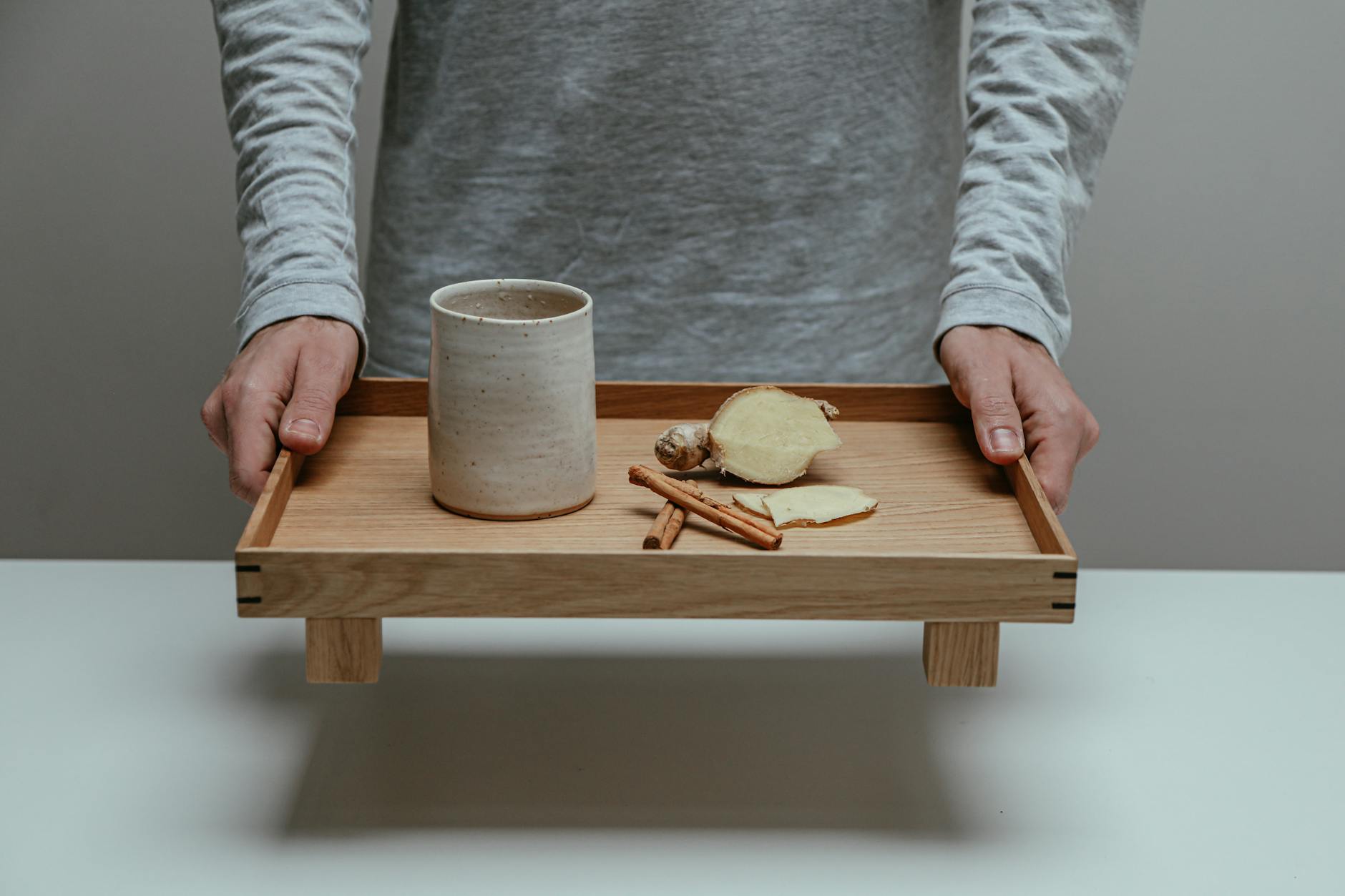
Ginger is one of the most well-studied natural nausea remedies available. It contains bioactive compounds called gingerols and shogaols that may help speed up stomach emptying and calm digestive irritation. Research indicates that ginger was superior to placebo for postoperative nausea, seasickness, morning sickness, and chemotherapy-induced nausea in several studies. You can take ginger as a tea, chew crystallized ginger, or use standardized capsules. Most research uses doses between 250 milligrams and one gram taken throughout the day. Start with a small amount to see how your body responds. If you are pregnant or taking blood thinners, talk to your doctor first. Keeping ginger chews in your bag offers a portable option for unexpected waves of queasiness.
2. Acupressure on the P6 Point
Acupressure targets a specific point on the inner wrist called Pericardium 6, or P6. This technique has been used in traditional Chinese medicine for centuries to ease stomach upset. You can find the P6 point by placing three fingers across the inside of your wrist, just below the palm. Press firmly with your thumb and hold for two to three minutes. Studies suggest this approach may help reduce nausea related to surgery, chemotherapy, and motion sickness. Wristbands designed to apply continuous pressure on this point are widely available at pharmacies. They are drug-free and carry virtually no side effects. Try wearing one on each wrist for maximum benefit during travel or after a medical procedure.
3. Vitamin B6 Supplementation
Vitamin B6, also known as pyridoxine, has shown particular promise for pregnancy-related nausea. Clinical evidence shows that both ginger and vitamin B6 were associated with reduced nausea scores, improved vomiting control, and fewer adverse events compared to placebo during pregnancy. Many obstetricians recommend vitamin B6 as a first-line approach before trying prescription medications. Typical doses range from 10 to 25 milligrams taken three times daily. You can find it at most drugstores as an over-the-counter supplement. Foods rich in B6 include chickpeas, bananas, potatoes, and poultry. However, always check with your healthcare provider about the right dosage for your situation. This simple supplement could make a real difference during those tough early months of pregnancy.
4. Peppermint Aromatherapy
The scent of peppermint may do more than just smell pleasant. Research suggests that inhaling peppermint essential oil can help reduce feelings of nausea, particularly after surgery. The menthol in peppermint appears to have a calming effect on the stomach muscles. You can place a drop of peppermint oil on a tissue and hold it near your nose. Some hospitals now use peppermint aromatherapy as a complementary therapy for postoperative patients. Peppermint tea offers another soothing option that combines aromatherapy with gentle hydration. Avoid swallowing undiluted essential oils, as they can irritate the digestive tract. Keep a small bottle of peppermint oil handy for quick relief when nausea strikes unexpectedly.
5. Small, Frequent Meals
Eating large meals when you feel nauseated can overwhelm your digestive system. Smaller portions eaten more frequently help keep your stomach from becoming too empty or too full. Both extremes can trigger or worsen nausea. Aim for five to six mini-meals throughout the day instead of three large ones. Choose bland, easy-to-digest foods like crackers, toast, rice, or plain chicken. Cold foods sometimes work better because they have less aroma than hot dishes. Avoid greasy, spicy, or heavily seasoned meals until your stomach settles. Eating slowly and chewing thoroughly also gives your digestive system a gentler workload. This straightforward dietary adjustment is one of the simplest nausea remedies to implement right away.
6. Staying Hydrated with Clear Fluids
Dehydration can make nausea significantly worse and create a vicious cycle if vomiting is also present. Sipping clear fluids throughout the day helps maintain electrolyte balance and supports your digestive system. Water, broth, diluted fruit juice, and oral rehydration solutions are all good choices. Take small, frequent sips rather than gulping large amounts at once. Ice chips or frozen fruit pops can be easier to tolerate when even drinking feels difficult. Avoid caffeinated or carbonated beverages, as they may irritate a sensitive stomach. Room-temperature or slightly cool liquids tend to be most soothing. If you cannot keep any fluids down for more than 12 hours, seek medical attention to prevent serious dehydration.
7. Controlled Deep Breathing
Slow, deliberate breathing is a surprisingly effective tool against nausea. This technique activates your parasympathetic nervous system, which helps calm your body’s stress response. Research suggests controlled breathing may reduce nausea after surgery and during chemotherapy treatments. Try inhaling through your nose for a count of four, holding for two, then exhaling slowly through your mouth for six counts. Repeat this pattern for several minutes whenever nausea builds. The focus required for this exercise also serves as a mental distraction from the discomfort. You can practice this technique anywhere without any equipment. Pairing deep breathing with a comfortable, quiet environment enhances its calming effects on both your mind and your stomach.
8. Lemon Aromatherapy
Fresh lemon scent has long been associated with feelings of freshness and calm. Some studies suggest that inhaling lemon essential oil can reduce nausea and vomiting, especially during pregnancy. The crisp citrus aroma appears to interrupt the nausea signals traveling to the brain. You can cut a fresh lemon and inhale its scent, or add a few drops of lemon oil to a diffuser. Squeezing lemon into cold water combines aromatherapy with hydration for a dual benefit. Many pregnant women find that carrying a small lemon in their purse provides quick, discreet relief. Unlike some medications, lemon aromatherapy carries almost no risk of side effects. Give it a try the next time a wave of queasiness hits.
9. The BRAT Diet Approach
The BRAT diet stands for bananas, rice, applesauce, and toast. These bland, low-fiber foods are gentle on the stomach and easy to digest. While doctors no longer recommend following it strictly for days, these foods remain helpful as initial choices when nausea begins to ease. Bananas replace potassium lost through vomiting. Plain white rice provides simple carbohydrates for energy. Applesauce offers gentle nutrients without too much fiber. Dry toast absorbs excess stomach acid that may contribute to queasiness. As your appetite returns, gradually reintroduce other mild foods like plain pasta, boiled potatoes, or steamed vegetables. Think of the BRAT foods as a starting point for recovery rather than a complete nutritional plan.
10. Over-the-Counter Antiemetics
Several over-the-counter medications can provide effective nausea relief when natural approaches are not enough. Bismuth subsalicylate, found in products like Pepto-Bismol, can soothe an upset stomach. Dimenhydrinate and meclizine are antihistamines specifically designed to combat motion sickness. These medications work by blocking chemical signals in the brain that trigger nausea. Always follow dosing instructions carefully and check for interactions with any medications you already take. Drowsiness is a common side effect of antihistamine-based options. Certain antiemetics are not safe during pregnancy, so check with your doctor first. Keep one of these medications in your travel kit or medicine cabinet for quick access when nausea strikes.
11. Prescription Medications for Chronic Nausea
When nausea becomes a persistent problem, prescription options may offer relief that home nausea remedies cannot. Ondansetron is commonly prescribed for chemotherapy and post-surgical nausea. For chronic functional nausea, clinical evidence shows that tricyclic antidepressants like amitriptyline provided complete or moderate relief in many patients, with newer options like olanzapine and gabapentin also showing promise. These medications work on different pathways in the brain to reduce nausea signals. Your doctor will consider the underlying cause, severity, and your overall health before recommending a specific prescription. Side effects vary depending on the medication class. Regular follow-up appointments help ensure the treatment remains effective and well-tolerated. Never start or stop prescription nausea medications without medical guidance.
12. Avoiding Known Triggers
Sometimes the best remedy is prevention. Identifying and avoiding your personal nausea triggers can dramatically reduce how often you experience discomfort. Common triggers include strong odors, stuffy environments, certain foods, and riding in vehicles. Keep a symptom diary to track what you ate, where you were, and what you were doing before nausea episodes. Patterns often emerge within a few weeks of consistent tracking. If motion triggers your nausea, sit in the front seat and focus on the horizon. If strong smells are the culprit, carry a pleasant scent like lemon or peppermint to sniff as needed. Reducing stress through regular exercise and adequate sleep also helps lower your overall nausea threshold.
Finding the right nausea remedies often requires a combination of strategies tailored to your specific triggers and symptoms. Start by trying one or two natural approaches like ginger or acupressure, then work with your healthcare provider if symptoms persist or worsen. Relief is achievable, and you deserve to feel comfortable again.
Medical Disclaimer: This article is for informational purposes only and does not constitute medical advice. Always consult a qualified healthcare professional before making health decisions.




