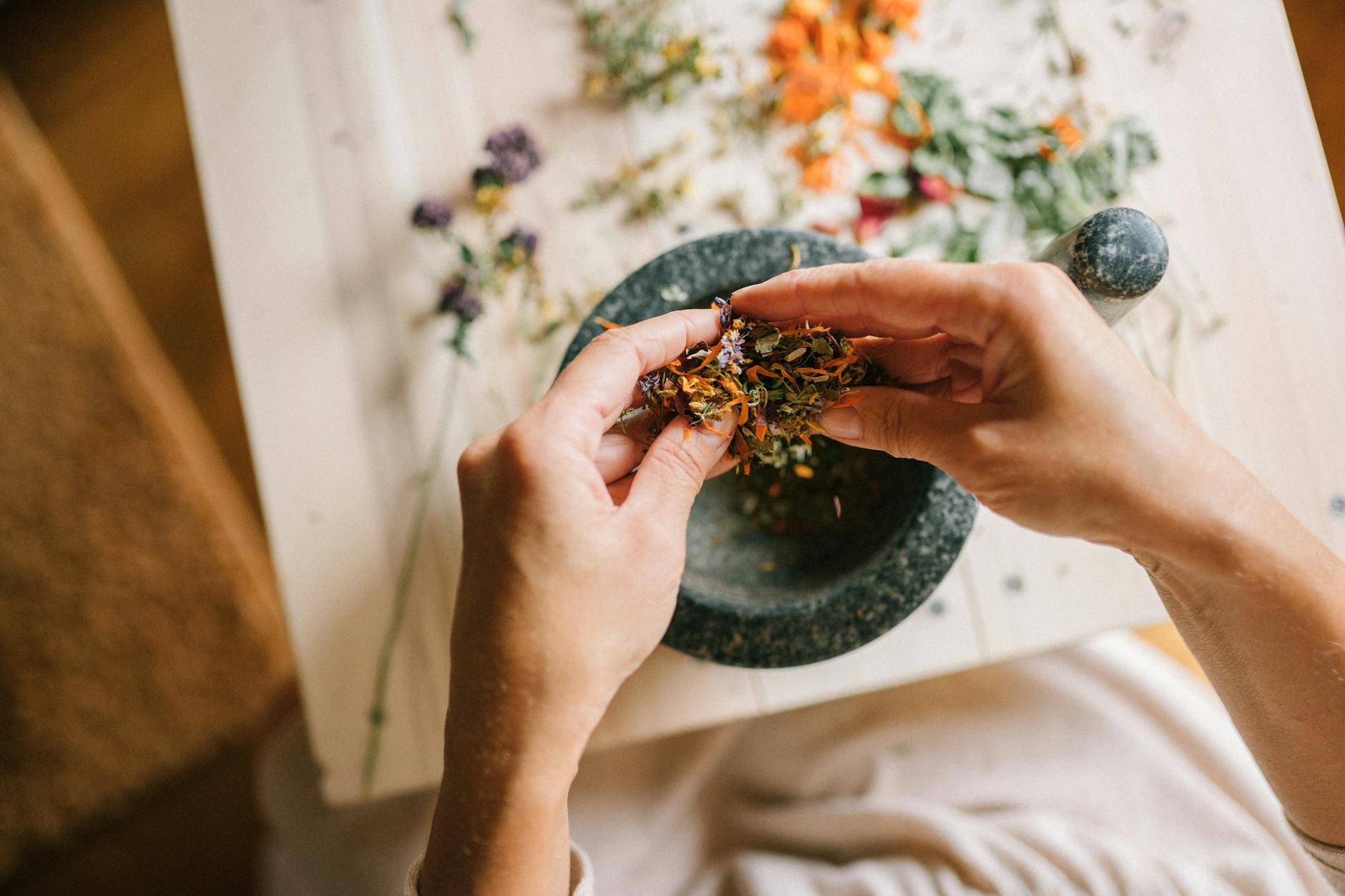
Passion flower, or Passiflora incarnata, is a climbing vine native to the southeastern United States that has been used in traditional medicine for hundreds of years. Today, millions of people turn to this gentle herb seeking relief from anxiety, sleeplessness, and everyday stress. Understanding the full range of passion flower benefits can help you decide whether this botanical deserves a place in your wellness routine.
1. May Help Reduce Anxiety
One of the most well-known passion flower benefits is its potential to ease anxious feelings. Research suggests that compounds in passion flower interact with GABA receptors in the brain, which play a key role in calming nervous system activity. A review published in PubMed Central found that Passiflora incarnata reduced anxiety levels comparably to drugs like oxazepam, with no adverse effects observed. If you experience occasional nervousness, passion flower tea or supplements may be worth discussing with your doctor as a gentle, natural option.
2. Supports Better Sleep Quality
Struggling with restless nights is incredibly common, and passion flower may offer a natural path to deeper rest. Clinical evidence shows that this herb can influence sleep architecture in meaningful ways. One study found that passionflower extract significantly increased total sleep time and improved sleep efficiency in adults with insomnia disorder compared to placebo. Consider drinking a cup of passion flower tea about 30 minutes before bedtime to see if it helps you unwind.
3. May Ease Nervous Restlessness
Nervous restlessness goes beyond typical anxiety. It involves a persistent sense of inner tension that can affect daily functioning. A 12-week observational study demonstrated that passion flower extract improved resilience and quality of life in patients with nervous restlessness, with good tolerability throughout the trial period. This suggests that passion flower may serve as a supportive option for people dealing with ongoing nervous tension rather than just occasional stress.
4. Could Complement Conventional Anxiety Treatments
For people already taking medication for anxiety, passion flower may work as a helpful companion therapy. Research indicates that passion flower extract used alongside the prescription medication sertraline showed promise for treating generalized anxiety disorder. A study published on PubMed found this combination was well-tolerated with low side effects. Never add any supplement to a prescription regimen without consulting your healthcare provider first, as interactions are always possible.
5. Rich in Protective Antioxidants
Passion flower contains a variety of flavonoids, including chrysin, vitexin, and orientin. These plant compounds act as antioxidants, helping to neutralize harmful free radicals in the body. Oxidative stress contributes to aging and chronic disease, so antioxidant-rich herbs are valuable dietary additions. Including passion flower as part of a broader diet rich in colorful fruits, vegetables, and herbal teas may contribute to your overall antioxidant intake.
6. May Help Manage Stress Responses
Chronic stress takes a serious toll on the body, affecting everything from digestion to immune function. Studies indicate that passion flower may help modulate the body’s stress response by influencing cortisol levels and promoting a sense of calm. Unlike some sedative herbs, passion flower tends to ease tension without heavy drowsiness during daytime use. Try incorporating it during particularly stressful periods, such as work deadlines or major life transitions, to see how your body responds.
7. Gentle Enough for Daily Use
One notable advantage of passion flower is its mild safety profile when used appropriately. Clinical trials consistently report few to no significant side effects in healthy adults at standard doses. This makes it an appealing option for people who are sensitive to stronger herbal sedatives like valerian or kava. That said, pregnant or breastfeeding women and people on blood-thinning medications should avoid passion flower unless cleared by a healthcare professional.
8. May Support Healthy Blood Pressure
Preliminary research suggests passion flower may have mild blood-pressure-lowering effects. Some scientists believe this is tied to its ability to promote relaxation and reduce vascular tension. While it should never replace blood pressure medication, passion flower could serve as a complementary lifestyle tool alongside a balanced diet and regular exercise. Monitoring your blood pressure regularly is the best way to track any changes after introducing a new supplement.
9. Could Help with Mood Balance
Beyond anxiety, passion flower shows early promise for supporting emotional well-being more broadly. Animal studies suggest it may influence serotonin and dopamine pathways, which are deeply involved in mood regulation. Some researchers believe the herb’s calming effects on the nervous system indirectly stabilize mood by reducing the emotional toll of chronic stress and poor sleep. While human studies are still limited in this area, the preliminary findings are encouraging for future research.
10. Available in Multiple Convenient Forms
Passion flower is remarkably accessible, which makes it easy to experiment with. You can find it as dried loose-leaf tea, liquid tinctures, standardized capsules, and even flavored herbal blends at most health food stores. Tea is often the gentlest starting point because it allows you to control the strength of your dose. Start with one cup or the lowest recommended supplement dose and gradually increase only if needed, paying attention to how your body feels.
Passion flower offers a wide range of potential benefits, from calming anxious thoughts to improving nightly rest, all with a remarkably gentle safety profile. If you are curious about trying this time-honored herb, start with a simple cup of passion flower tea and keep a journal to track how you feel over the first two weeks. Bringing those notes to your next doctor’s appointment can help you and your provider decide if passion flower is a smart addition to your health plan.
Medical Disclaimer: This article is for informational purposes only and does not constitute medical advice. Always consult a qualified healthcare professional before making health decisions.




