Most adults need between 2,600 and 3,400 milligrams of potassium each day, yet research suggests fewer than 2% of Americans actually hit that target. This mineral plays a critical role in muscle function, nerve signaling, and blood pressure regulation — so falling short can quietly affect your overall health. The good news is that many reliable potassium sources are probably already sitting in your kitchen.
1. White Potatoes
When people think of potassium, bananas usually steal the spotlight. But a single medium baked potato with the skin delivers roughly 900 milligrams — nearly twice what a banana offers. According to PubMed, potatoes rank as one of the top dietary potassium sources in the American diet, contributing about 8% of overall intake. They are also naturally low in fat and rich in fiber and vitamin C. Whether you bake, roast, or boil them, keeping the skin on maximizes the mineral content. Try topping a baked potato with Greek yogurt and chives for a potassium-packed meal.
2. Sweet Potatoes
Sweet potatoes deserve their own spot on this list. One medium sweet potato provides around 540 milligrams of potassium along with a generous dose of beta-carotene, the antioxidant that gives them their orange hue. They also supply fiber that supports healthy digestion. Studies indicate their naturally sweet flavor makes them a crowd-pleaser with both adults and kids. Roasting cubed sweet potatoes with a drizzle of olive oil is one of the simplest ways to enjoy them regularly.
3. Dairy Milk
A simple glass of milk is one of the most overlooked potassium sources in the modern diet. Data from NIH shows that milk ranks among the top potassium contributors across all age groups in the United States. One cup of low-fat milk provides approximately 366 milligrams of potassium, plus calcium and vitamin D. It fits easily into morning cereal, smoothies, or a warm mug before bed. If you are lactose intolerant, many fortified plant-based milks offer comparable potassium levels.
4. Bananas
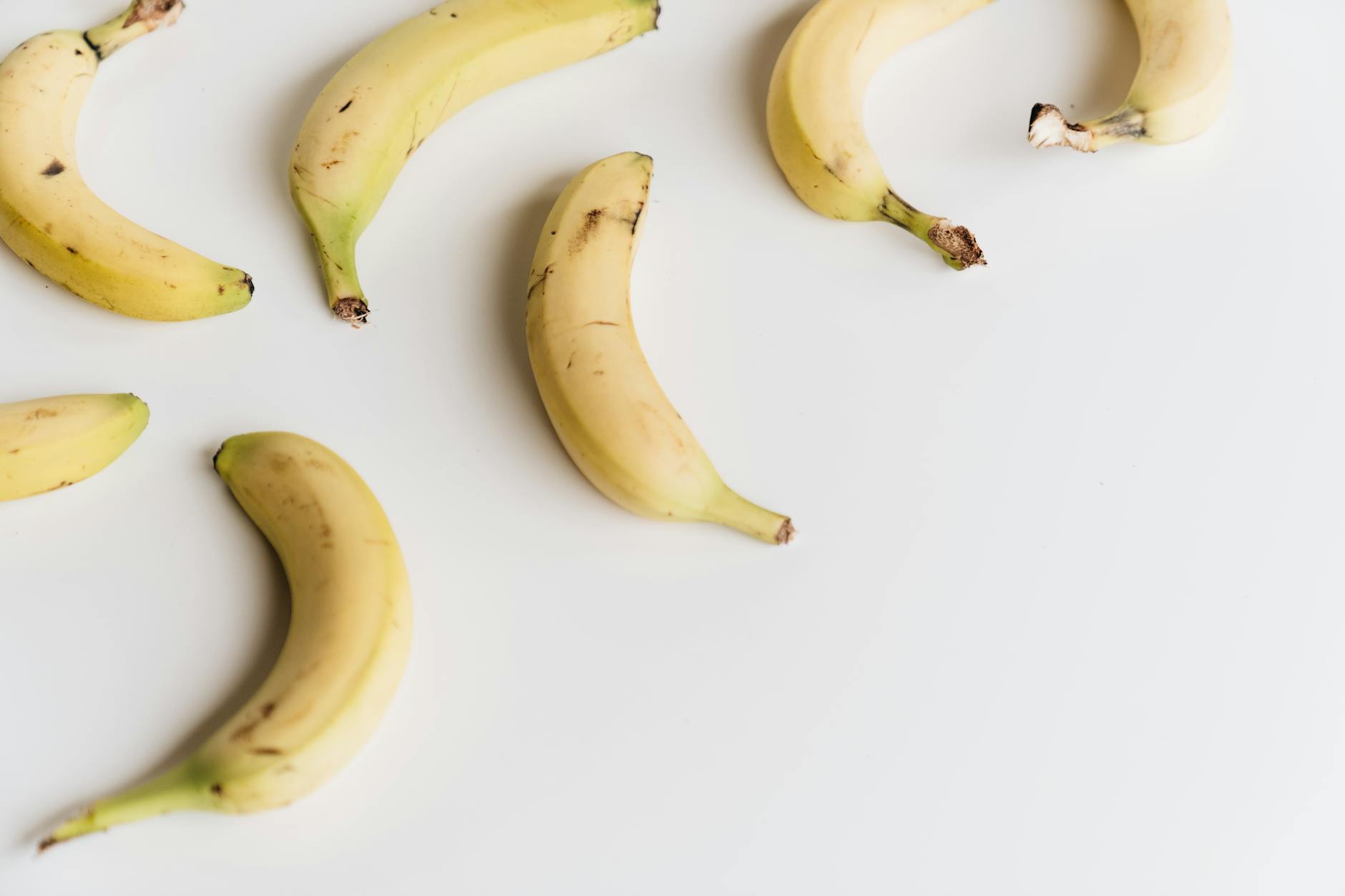
No potassium list would be complete without the classic banana. One medium banana delivers about 422 milligrams of potassium in a convenient, portable package. Beyond potassium, bananas provide quick-burning natural sugars that make them an ideal pre-workout snack. They also contain pectin, a type of fiber linked to improved blood sugar control after meals. Slice one into oatmeal, blend it into a smoothie, or simply peel and eat it on the go for an easy mineral boost.
5. Spinach
Dark leafy greens are nutritional powerhouses, and spinach leads the pack when it comes to potassium. One cup of cooked spinach serves up roughly 840 milligrams. Cooking concentrates the mineral because the leaves shrink significantly, so you end up eating a larger volume of the raw vegetable. Spinach also offers iron, magnesium, and vitamins A and K. Sauté a handful with garlic as a quick side dish, or toss fresh leaves into soups during the last few minutes of cooking.
6. Avocados
Creamy, satisfying avocados pack a surprising potassium punch. Half of a medium avocado contains about 487 milligrams, which rivals a whole banana. They also deliver heart-healthy monounsaturated fats that research suggests may help manage cholesterol levels. The combination of healthy fat and fiber keeps you feeling full longer. Spread avocado on whole-grain toast, dice it into salads, or blend it into a green smoothie for a rich, nutrient-dense addition to your day.
7. Black Beans
Legumes are among the most affordable and accessible potassium sources available. One cup of cooked black beans offers around 611 milligrams of potassium, along with roughly 15 grams of plant-based protein. They are also loaded with folate, iron, and soluble fiber that supports gut health. Clinical evidence shows that regular legume consumption is associated with improved markers of cardiovascular wellness. Rinse canned black beans to reduce sodium, then add them to tacos, grain bowls, or hearty soups.
8. Salmon
Fatty fish like salmon provide much more than omega-3 fatty acids. A three-ounce serving of cooked salmon delivers about 326 milligrams of potassium. Research from PubMed Central/NIH suggests that adequate potassium intake through whole foods like fish, fruits, and vegetables may be associated with a lower risk of cardiovascular disease. Salmon also provides high-quality protein and vitamin D. Aim for two servings of fatty fish per week — baked, grilled, or pan-seared with a squeeze of lemon.
9. Dried Apricots
Dried fruits are concentrated potassium sources that are easy to keep on hand. Just a quarter-cup serving of dried apricots delivers roughly 378 milligrams of potassium. However, it is worth noting that PubMed Central/NIH points out that foods high in potassium per serving may not be top contributors to overall intake if people eat them infrequently. Consistency matters more than occasional big doses. Toss dried apricots into trail mix, chop them into oatmeal, or pair them with a handful of almonds for a satisfying snack.
10. Coffee
Here is a pleasant surprise for your morning routine. A standard eight-ounce cup of brewed coffee contains about 116 milligrams of potassium, and because most people drink it daily, it quietly adds up. Research shows that coffee contributes roughly 5% of the average American adult’s potassium intake. It is one of those everyday potassium sources that people rarely think about. Of course, loading your cup with sugar and flavored syrups reduces the overall nutritional benefit. Enjoy it black or with a splash of milk to keep it simple and potassium-friendly.
Getting enough potassium does not require exotic superfoods or expensive supplements — it starts with choosing whole, minimally processed foods you already enjoy. Try adding two or three of these potassium sources to your weekly grocery list and build from there. Small, consistent changes in your diet can make a meaningful difference over time.
Medical Disclaimer: This article is for informational purposes only and does not constitute medical advice. Always consult a qualified healthcare professional before making health decisions.




