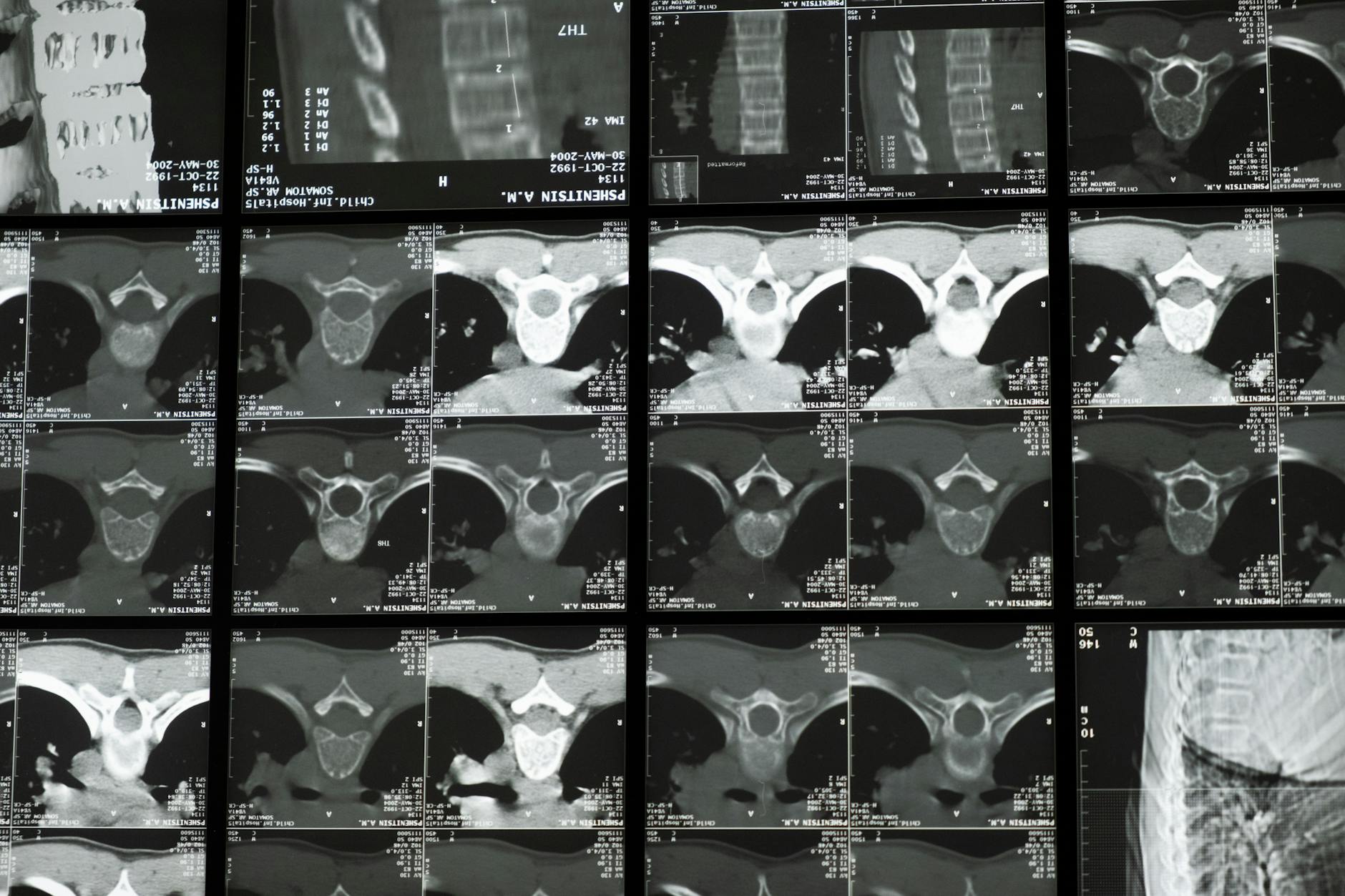
Osteomyelitis, an infection that settles deep into bone tissue, affects roughly two out of every 10,000 people and can strike at any age. Left untreated, it may destroy bone, spread to surrounding tissue, and lead to lasting disability. Understanding the full range of osteomyelitis treatment options can help you have more informed conversations with your healthcare team.
1. Intravenous Antibiotic Therapy
Intravenous antibiotics are typically the first line of defense against osteomyelitis. Doctors deliver powerful medications directly into the bloodstream to reach infected bone at high concentrations. Treatment courses often last four to six weeks, though duration varies based on the severity and type of infection. A PubMed systematic review examined optimal antibiotic selection and duration for chronic osteomyelitis in adults, highlighting that tailoring treatment to the specific bacteria involved improves outcomes significantly. Your medical team will likely draw blood cultures before starting therapy so they can match the right drug to the right pathogen. Ask your doctor about monitoring schedules to track your progress.
2. Oral Antibiotic Step-Down Therapy
Once intravenous antibiotics bring the infection under control, many patients transition to oral medications. This approach is often called step-down therapy. It allows people to continue treatment at home rather than staying in a hospital. Research suggests that certain oral antibiotics with strong bone penetration, such as fluoroquinolones and rifampin combinations, can be highly effective in this role. Your doctor will determine the ideal timing for the switch based on lab results and clinical improvement. Sticking to your prescribed schedule without skipping doses is essential for preventing relapse.
3. Surgical Debridement
When antibiotics alone cannot clear a bone infection, surgical debridement becomes necessary. During this procedure, a surgeon removes all dead, damaged, and infected bone tissue. The goal is to leave behind only healthy, well-perfused bone that can heal properly. Clinical evidence shows that thorough debridement significantly increases the success rate of antibiotic therapy by eliminating the environment where bacteria thrive. A NIH/PMC comprehensive review underscores that combining surgical reconstruction techniques with targeted antibiotic therapy remains the gold standard for chronic cases. Discuss the extent of surgery and recovery expectations with your surgeon beforehand.
4. Local Antibiotic Delivery Systems
Delivering antibiotics directly to the infection site is a growing area of osteomyelitis treatment. Surgeons may implant antibiotic-loaded beads, cement spacers, or biodegradable carriers into the bone cavity after debridement. These devices release high concentrations of medication exactly where it is needed most. According to a NIH/PMC review, local high-dose antibiotic delivery is among the most promising novel therapeutic strategies for osteomyelitis, particularly for antibiotic-resistant infections. This method minimizes systemic side effects while maximizing drug levels in bone. Talk to your care team about whether a local delivery system is appropriate for your situation.
5. Hyperbaric Oxygen Therapy
Hyperbaric oxygen therapy involves breathing pure oxygen in a pressurized chamber. The elevated oxygen levels enhance white blood cell activity and promote new blood vessel growth in infected tissue. Studies indicate that this therapy may be a valuable complement to antibiotics and surgery for chronic osteomyelitis cases that resist standard care. A NIH/PMC review of nonsurgical adjunctive therapies supports hyperbaric oxygen as a potential complement to conventional treatment. Sessions typically last about two hours and may be repeated over several weeks. Ask your specialist whether hyperbaric oxygen could benefit your specific type of bone infection.
6. Bone Grafting and Reconstruction
After aggressive debridement, large sections of bone may be missing. Bone grafting fills these defects using tissue harvested from another part of the patient’s body, a donor, or synthetic materials. This reconstruction is critical because it restores structural integrity and helps the affected limb function normally again. Vascularized bone grafts, which carry their own blood supply, tend to resist reinfection better than non-vascularized options. Recovery can take months and often involves physical therapy to regain strength. Your orthopedic surgeon will choose the graft type that best matches the size and location of the defect.
7. Biofilm Disruption Strategies
One reason osteomyelitis becomes chronic is that bacteria form protective biofilms on bone and implant surfaces. These slimy, shield-like layers make standard antibiotics up to a thousand times less effective. Emerging approaches target biofilms directly using enzymes, specialized coatings, or combination antibiotic regimens designed to penetrate the bacterial fortress. Research suggests that disrupting biofilms before or during antibiotic therapy dramatically improves bacterial clearance. While many of these strategies are still being refined in clinical settings, the science is advancing rapidly. Ask your infectious disease specialist about the latest biofilm-targeted options available at your treatment center.
8. Negative Pressure Wound Therapy
Negative pressure wound therapy, sometimes called wound VAC therapy, uses controlled suction to promote healing in open wounds associated with osteomyelitis. A sealed dressing is placed over the wound, and a pump gently draws out fluid, reduces swelling, and increases blood flow to the area. This technique helps prepare the wound bed for eventual closure or grafting. Clinical evidence shows it can lower reinfection rates when used alongside proper debridement and antibiotics. The device is portable enough for outpatient use in many cases. Your wound care team can determine the appropriate pressure settings and dressing change schedule.
9. Muscle Flap Coverage
For complex osteomyelitis cases involving soft tissue loss, surgeons may use muscle flap procedures. A nearby muscle, along with its blood supply, is repositioned to cover exposed or debrided bone. This living tissue blanket delivers oxygen-rich blood directly to the healing area, which helps fight lingering infection. Muscle flaps also create a barrier against external contamination. Studies indicate that flap coverage combined with thorough debridement and antibiotic therapy achieves high cure rates in chronic cases. Recovery requires careful monitoring and limited weight bearing, so have a detailed rehabilitation plan in place with your care team.
10. Long-Term Monitoring and Relapse Prevention
Even after successful osteomyelitis treatment, the risk of relapse can persist for months or even years. Regular follow-up visits typically include blood tests for inflammatory markers like C-reactive protein and erythrocyte sedimentation rate. Imaging studies such as MRI may be repeated periodically to confirm that the infection has not returned. Maintaining good nutrition, managing underlying conditions like diabetes, and protecting surgical sites all play important roles in preventing recurrence. Research suggests that patients who adhere to their follow-up schedules catch potential relapses earlier and have better long-term outcomes. Work with your healthcare provider to establish a clear monitoring timeline.
Osteomyelitis treatment often requires a combination of approaches tailored to the individual, from targeted antibiotics and surgical intervention to innovative adjunctive therapies. The most important step you can take is partnering closely with an experienced healthcare team that includes infectious disease specialists and orthopedic surgeons. Early action and consistent follow-through give you the strongest chance at a full recovery.
Medical Disclaimer: This article is for informational purposes only and does not constitute medical advice. Always consult a qualified healthcare professional before making health decisions.




