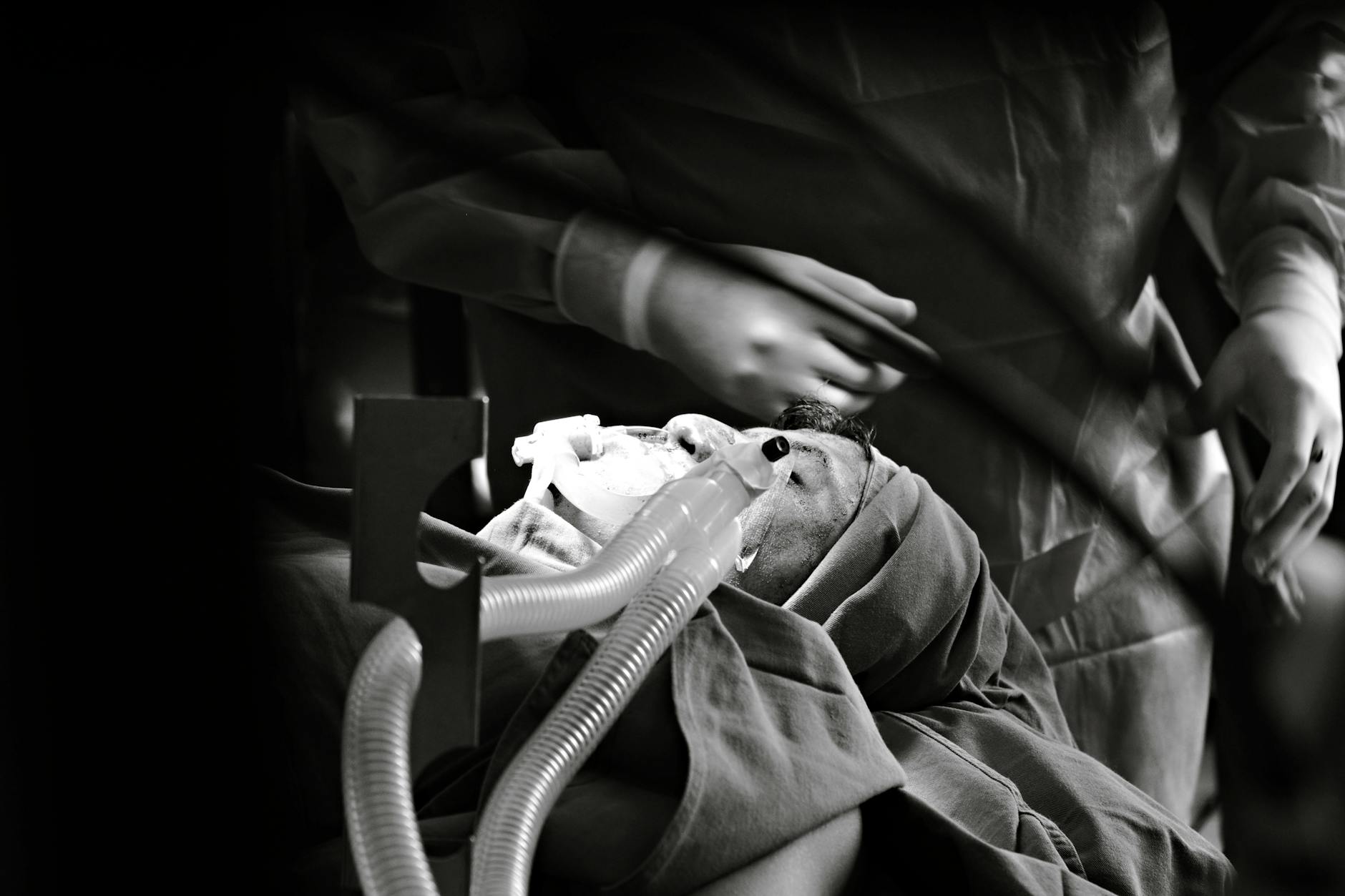
Sepsis affects nearly 1.7 million adults in the United States each year and claims roughly 350,000 lives annually, making it one of the leading causes of hospital deaths. Understanding sepsis treatment options matters because every hour of delayed care significantly raises the risk of organ failure and death. From frontline antibiotics to cutting-edge immunotherapies, here are the key approaches shaping modern sepsis care.
1. Early Empirical Antibiotic Therapy
The cornerstone of sepsis treatment is getting broad-spectrum antibiotics into the bloodstream as quickly as possible. Clinical guidelines recommend administering antibiotics within the first hour of recognizing sepsis. Doctors typically start with broad-spectrum agents that cover a wide range of bacteria. Once blood culture results come back, they narrow the antibiotics to target the specific organism. According to a PubMed review on current sepsis management, empirical antimicrobial treatment remains the most critical early intervention. The practical takeaway is simple — speed saves lives, so never delay seeking emergency care if sepsis is suspected.
2. Aggressive Fluid Resuscitation
Sepsis causes blood vessels to leak and blood pressure to plummet dangerously. Fluid resuscitation with intravenous crystalloid solutions helps restore blood volume and maintain organ perfusion. Clinicians typically administer an initial bolus of 30 milliliters per kilogram of body weight within the first three hours. Balanced crystalloid solutions like lactated Ringer’s are often preferred over normal saline. Research suggests that early, goal-directed fluid therapy reduces the risk of progressing to septic shock. If you witness someone with signs of severe infection and confusion, call emergency services immediately so fluid therapy can begin.
3. Vasopressor Support with Norepinephrine
When fluids alone cannot maintain adequate blood pressure, vasopressors become essential. Norepinephrine is the first-line vasopressor recommended for septic shock. It works by constricting blood vessels and boosting cardiac output. A study published in NIH (PMC) highlights that early norepinephrine administration may improve outcomes in septic shock by restoring organ perfusion faster. Doctors carefully titrate the dose to reach a target mean arterial pressure, usually around 65 mmHg. This medication requires close monitoring in an intensive care unit setting.
4. Source Control Procedures
Antibiotics fight bacteria in the bloodstream, but they sometimes cannot reach the root of the infection. Source control involves physically removing or draining the infection source. This might mean surgically draining an abscess, removing infected tissue, or taking out a contaminated medical device like a catheter. Timing matters greatly here — delays in source control are associated with higher mortality rates. Clinical evidence shows that combining source control with antibiotics offers the best chance of clearing the infection. If doctors identify a drainable or removable infection source, they typically act within the first twelve hours.
5. Corticosteroid Therapy
For patients in septic shock who do not respond well to fluids and vasopressors, corticosteroids may offer an added benefit. Low-dose hydrocortisone is the most commonly used steroid in this context. Research examined in NIH (PMC) suggests that combining hydrocortisone with fludrocortisone may help patients wean off vasopressors more quickly. Steroids work by dampening the overwhelming inflammatory response that drives organ damage. They are not used in every sepsis case — only in refractory shock. Patients receiving corticosteroids need careful blood sugar monitoring since steroids can raise glucose levels significantly.
6. Mechanical Ventilation for Respiratory Failure
Sepsis frequently attacks the lungs, leading to acute respiratory distress syndrome. When oxygen levels drop critically, mechanical ventilation becomes a lifesaving intervention. Clinicians use a lung-protective ventilation strategy with low tidal volumes to prevent further lung damage. This approach limits each breath to roughly six milliliters per kilogram of ideal body weight. Positive end-expiratory pressure settings help keep air sacs open between breaths. Studies indicate that this protective strategy reduces mortality compared to conventional ventilation. Patients on ventilators require sedation management and daily assessments for readiness to breathe independently.
7. Blood Glucose Management
Sepsis triggers a cascade of stress hormones that can send blood sugar levels soaring, even in people without diabetes. Hyperglycemia impairs immune function and worsens outcomes in critically ill patients. Insulin therapy is used to keep blood glucose within a target range, generally between 140 and 180 mg/dL in the ICU. Research suggests that overly aggressive glucose control below 110 mg/dL can cause dangerous hypoglycemia. Frequent glucose monitoring — sometimes every one to two hours — is essential during treatment. Maintaining stable blood sugar supports immune function and helps the body fight the underlying infection more effectively.
8. Renal Replacement Therapy
Acute kidney injury is one of the most common organ complications during sepsis. When the kidneys can no longer filter waste products or manage fluid balance, renal replacement therapy steps in. Continuous techniques like continuous venovenous hemofiltration are often preferred in hemodynamically unstable patients. This approach gently removes toxins and excess fluid around the clock rather than in short, intense sessions. Clinical evidence shows that early initiation of renal support may improve fluid management and electrolyte balance. The decision to start dialysis depends on the severity of kidney dysfunction, fluid overload, and metabolic derangements. Many patients regain kidney function once sepsis resolves.
9. Immunomodulatory Therapies
One of the most exciting frontiers in sepsis treatment involves modulating the immune system itself. Sepsis creates a paradox — the immune system first overreacts, then becomes dangerously suppressed. Emerging therapies aim to rebalance this response. A comprehensive review in PubMed discusses strategies including immune checkpoint inhibitors, cytokine therapies, and cellular treatments designed to restore immune function. Additionally, research published in NIH (PMC) explores novel approaches targeting inflammasome regulation. While many of these therapies are still in clinical trials, they represent a promising shift toward personalized sepsis care.
10. Early Lactate Monitoring and Goal-Directed Therapy
Lactate is a key biomarker that tells clinicians how well oxygen is reaching the body’s tissues. Elevated lactate levels signal that cells are starving for oxygen — a hallmark of sepsis severity. Goal-directed therapy uses serial lactate measurements to guide treatment decisions in real time. Clinicians aim to reduce lactate by at least 20 percent every two hours. This approach helps doctors determine whether fluids, vasopressors, or other interventions are working. Studies indicate that lactate-guided resuscitation is associated with lower mortality rates compared to relying on clinical signs alone. Ask your medical team about lactate trends if a loved one is being treated for sepsis.
Sepsis demands rapid recognition and a multi-pronged treatment approach, from antibiotics and fluids to advanced organ support and emerging immunotherapies. If you or someone you love shows signs of infection combined with confusion, rapid breathing, or a sudden drop in blood pressure, seek emergency medical care immediately — early action is the single most powerful tool against this condition.
Medical Disclaimer: This article is for informational purposes only and does not constitute medical advice. Always consult a qualified healthcare professional before making health decisions.




