Patients sit on my exam table and confess they stopped eating bananas because an influencer warned them about blood sugar. That always strikes me as absurd. Let me explain what actually happens inside your gut when you eat one.
1. The Green Stage Does The Heavy Lifting
Most articles will tell you bananas are just quick energy. That framing misses the point entirely. When you eat them slightly green, you’re swallowing resistant starch that completely evades early digestion. It ferments later on down the line. (Fermentation sounds unpleasant but it feeds the exact bacteria responsible for mucosal lining repair). Patients often present with vague bloating that their primary care doctor brushed off as normal aging. A gastroenterologist sees the degraded gut biome instead. Introducing green banana products slowly rebuilds that tolerance and stabilizes glycemic control. It honestly outperforms half the overpriced probiotics sitting on your bathroom counter. You just have to chew through the chalky texture.
2. Electrical Grids and Muscle Cramps
Textbook hypokalemia features paralyzing weakness and dangerous cardiac arrhythmias. You rarely see that presentation in a standard outpatient clinic. What I actually see is a patient shifting uncomfortably in the chair while explaining their terrible sleep disruption. ‘My legs just seize up at 2 AM like someone flipped a switch.’ They say this while massaging their calf. I usually notice the subtle fasciculations jumping in their eyelid before the blood panel even comes back from the lab. It happens constantly. Potassium dictates the electrical gradients across every cell membrane you own. Bananas deliver this mineral alongside magnesium in a ratio that calms overactive neuromuscular junctions. When you strip electrolytes through excessive coffee consumption or aggressive diuretic use, your muscles misfire. Eating one replenishes the intracellular fluid volume fast. But you cannot wait for the pain to start. Wait until the muscle locks up, and you’re too late. The potassium needs actual time to cross the intestinal wall and enter systemic circulation. Eat it hours before bed. I’ve had runners argue with me about sodium packets. Sodium matters, but without the cellular gatekeeper functioning, the muscle remains irritable. The natural packaging of the fruit slows the absorption curve just enough to prevent an electrolyte dump. That steady release keeps the membrane potential stable through the night.
3. A Quiet Cellular Defense
We do not fully understand how plant phenols dictate cell death yet. But the mechanism is fascinating. As bananas ripen, they develop bioactive compounds that actively exhibit cancer-preventive activities by stopping malignant cells from building new blood vessels. They cut off the blood supply to rogue tissues. You will never get that effect from a cheap supplement capsule. The whole fruit matrix matters. We just haven’t mapped every single interaction yet…
4. Neutralizing the Acid Bath
‘Doctor, it feels like a fist twisting in my gut right after breakfast.’ That was a patient last Tuesday describing early-stage gastritis. They were drinking dark roast coffee on an empty stomach. Then they asked me why their GI tract rebelled so violently. Ripe bananas trigger the production of thick mucus along the gastric wall. They also contain protease inhibitors. Those enzymes dismantle bacteria linked directly to stomach ulcers. The soft texture mechanically coats the irritated tissue, buying your stomach time to heal its own superficial erosions. Swap the morning pastry for this fruit. The burning pain usually dulls within three days. It doesn’t cure an active ulcer. But it creates a mechanical barrier against your own acid.
5. Fighting Fat with Fiber
Will eating a banana make you lose weight? No. Does it help dismantle the machinery of obesity? Yes. We see banana pulp dietary fibers actively prevent metabolic syndrome by stopping intestinal microorganism imbalance. High-fat diets wreck your gut architecture. The fiber in this fruit acts like scaffolding. It props up the microbial communities that regulate lipid absorption. Your body stops hoarding circulating fats. You feel satiated longer. The blood sugar curve flattens out entirely. Many patients avoid them because they fear the carbohydrate load. They miss the structural repair happening in the colon. When those microbial communities thrive, they send signaling molecules to your brain. You stop craving garbage. The physical stretch of the stomach wall from the fiber mass shuts off hunger hormones.
6. The Mood Chemical Precursor
Bananas supply tyrosine. This amino acid crosses the blood-brain barrier effortlessly. Your brain converts it directly into dopamine. Most people assume mood stability relies entirely on serotonin. That’s a mistake. Dopamine governs your drive and motivation. If you lack the raw building blocks, you feel lethargic. You don’t need a prescription to fix a simple dietary deficit.
7. The Brown Spot Advantage
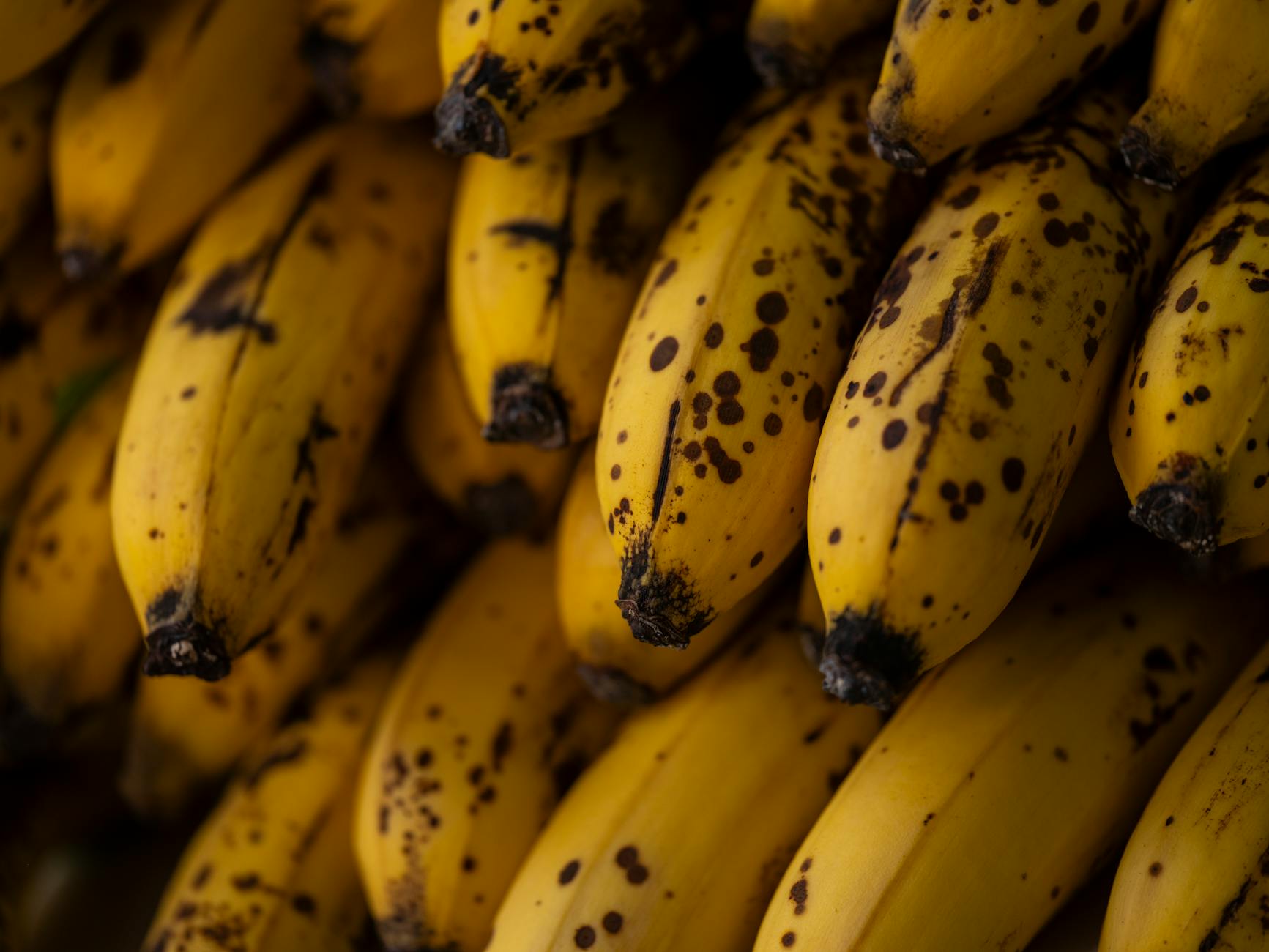
People throw them away when they get spots. That’s a waste of medicine. As the skin browns, the antioxidant profile shifts dramatically. The phenolic compounds peak right before the fruit turns completely to mush. These compounds hunt down free radicals causing systemic inflammation. A green banana fights insulin resistance. A heavily spotted banana fights cellular rust. You choose the ripeness based on what your body requires that week. The sugar content is undeniably higher. The immune system benefit is vastly superior. I tell patients recovering from viral infections to eat the ugly ones. Your white blood cells need those antioxidants to clean up the debris left behind by an immune response. Don’t toss them in the trash. Peel them and freeze them for later.
8. The BRAT Diet Reality
Every parent knows the old acronym for an upset stomach. Bananas, rice, applesauce, toast. We push this in pediatric clinics constantly. Why does it actually work? Acute gastroenteritis strips the colon of water and electrolytes simultaneously. You lose potassium through diarrhea at an alarming rate. The gut becomes hypermotile. It just wants to expel absolutely everything. Bananas contain pectins that absorb fluid inside the bowel lumen. This physically firms up the stool. But the real magic happens at the cellular level. The fruit provides easily digestible carbohydrates that don’t require massive amounts of gastric acid or pancreatic enzymes to break down. Your inflamed digestive tract gets a desperately needed break from producing digestive juices. It can finally rest. General practitioners often forget to mention one detail. The banana must be fully ripe for this to work. A green one will just cause more agonizing cramping. The complex starches must already be converted to simple sugars before they hit your irritated stomach. I’ve seen dehydrated patients avoid the emergency room simply because they slowly chewed a ripe banana and sipped water. The mucosal lining responds to the pectin by slowing the peristaltic waves. The spasms stop. The transition from liquid output to formed stool happens remarkably fast when you feed the colon exactly what it needs to reabsorb water.
9. The Vascular Relaxation Agent
Hypertension steadily damages the microscopic blood vessels in your kidneys. Most patients fixate entirely on cutting sodium. They ignore the other side of the equation completely. Potassium forces the kidneys to excrete excess sodium through your urine. It also eases tension in your muscular blood vessel walls.
A rigid artery keeps blood pressure high.
A relaxed artery lets the pressure drop naturally. Two bananas a day can noticeably shift the numbers on a blood pressure cuff. I watch it happen in clinical follow-ups all the time. People think they need a handful of pharmaceuticals to see a change. Sometimes you just need to alter the mineral balance in your bloodstream. The vascular smooth muscle responds to the dietary input.
10. The Glycogen Window
You finish a heavy workout. Your muscles are entirely depleted of glycogen. The enzymes responsible for rebuilding those stores remain elevated for roughly forty-five minutes. Eat a banana then. The fructose and glucose hit the bloodstream fast. They shuttle directly into the exhausted fibers. Sports drinks try to mimic this exact ratio with synthetic syrups and artificial colors. The fruit manages this naturally. It brings the magnesium required for muscle relaxation along for the ride. Don’t delay it. You will miss the metabolic window entirely. The cellular enzymes downregulate. Your muscle remains starved until your next heavy meal.
Stop treating fruit like it’s a metabolic hazard. Eat them when they’re green for your gut, and spotted for your immune system.
Medical Disclaimer: This article is for informational purposes only and does not constitute medical advice. Always consult a qualified healthcare professional before making health decisions.




