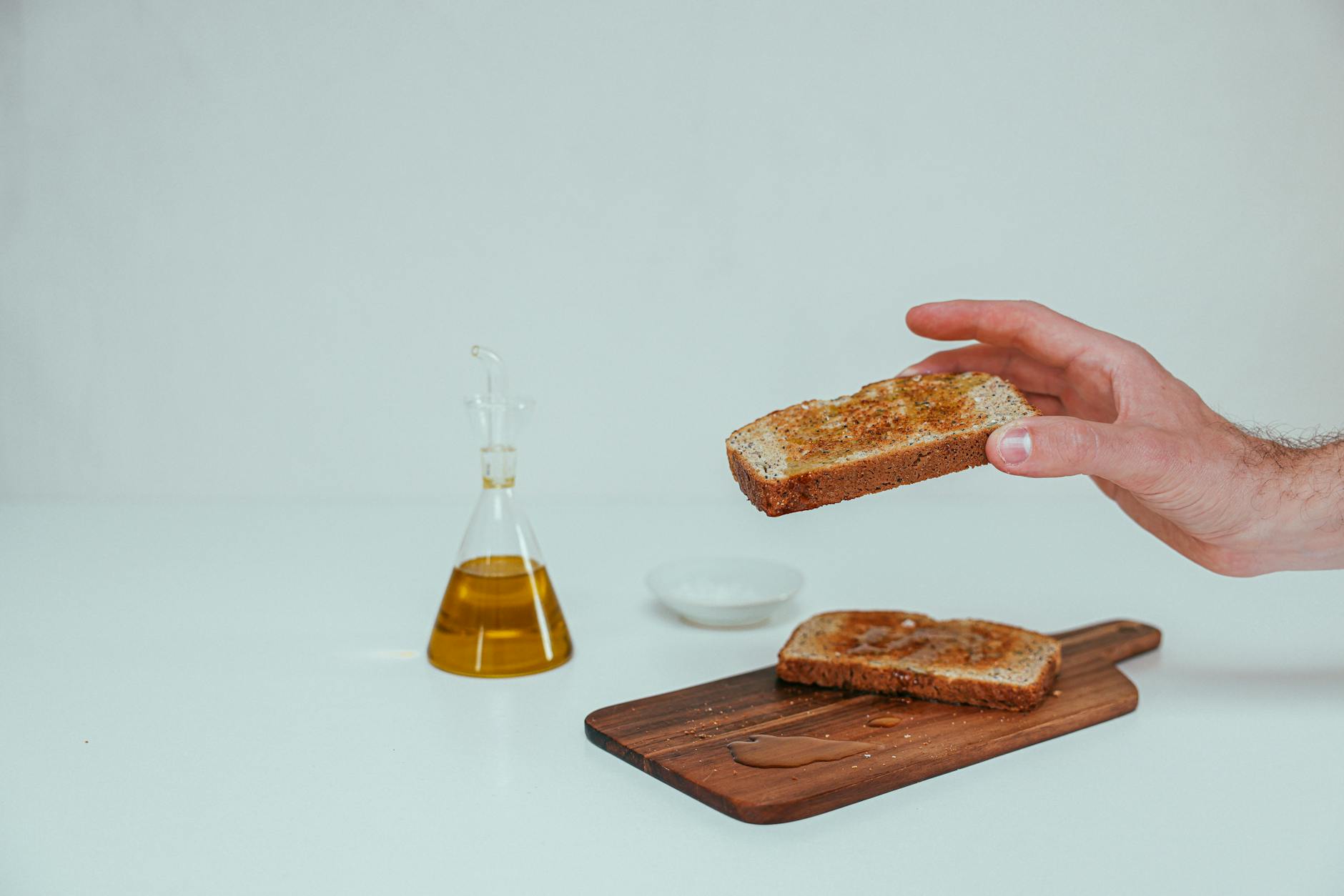
Patients ask me about fats every single day, usually holding a folded printout of some diet blog they found at two in the morning. The conversation always lands on olive oil, a staple we recommend so routinely that people forget it functions almost like a low-dose medication. I spend a lot of time unspooling the actual physiology behind why replacing butter with this green liquid changes lipid panels.
1. The quiet rearrangement of your cholesterol
Textbook presentation says a Mediterranean diet raises HDL and lowers LDL. What I actually see in the exam room is less about absolute numbers and more about particle size. A patient will come in sweating because their total cholesterol barely budged after six months of swapping saturated fats for extra virgin olive oil. “My numbers are exactly the same, Doc, I gave up cheese for nothing,” one guy told me last Tuesday. But when we look at the advanced lipid profile, the dangerous, dense LDL particles have fluffed up. They become buoyant. (It takes a while to explain why fluffy cholesterol is safer than dense cholesterol, but they eventually get it). The oil PubMed provides phenolic compounds that actively protect those lipids from oxidation. That stops the cascade of plaque formation.
2. Endothelial relaxation happens in weeks
Does drinking olive oil cure hypertension? No. But virgin olive oil supplementation actively changes how the inner lining of your blood vessels behaves. General practitioners often miss this nuance when they just tell patients to eat less salt. At the specialist level, we look at endothelial function. The endothelium is the thin membrane lining the inside of the heart and blood vessels. When it gets stiff, pressure goes up. The polyphenols in the oil force those vessels to relax. I have seen patients drop their systolic pressure by five or six points just by aggressively adopting this fat source. I knew one woman had actually made the switch before her cuff was even fully deflated. She had this distinct rosiness to her skin, a sign of better microvascular perfusion that you start to recognize after a decade of practice. She was terrified of going on lisinopril. We tracked her numbers. It took about eight weeks for the vessel walls to regain enough elasticity to matter. The PubMed data backs this up, showing direct modulation of thrombotic risk factors alongside the pressure drop.
3. The throat burn is the medicine
Real extra virgin olive oil burns the back of your throat. That sting is oleocanthal. It is a phenolic compound that behaves remarkably like ibuprofen. It blocks the exact same inflammatory pathways. People complain about the bitter taste, but that bitterness is the active compound downregulating systemic inflammation. If it tastes smooth like butter, you’re swallowing empty calories.
4. Blunting the glucose spike
Most articles will tell you olive oil cures diabetes. That framing misses the point. You can’t drown a plate of pasta in oil and expect your pancreas to ignore the carbohydrates. What it actually does is slow gastric emptying. When you consume fats with a meal, the stomach holds onto the contents longer. The sugar enters your bloodstream at a crawl instead of a sprint. I review continuous glucose monitor data with my prediabetic patients constantly. The ones who dress their vegetables in heavy pours of oil show rolling hills on their charts. The ones who eat naked salads and fat-free dressing show violent, jagged spikes. The fat physically coats the food bolus.
5. Hunger signaling breaks down
Fats trigger the release of cholecystokinin. This hormone tells your brain the meal is over. When patients try to lose weight by cutting all fats, they exist in a state of perpetual, gnawing hunger. Adding extra virgin olive oil back into their diet stops the grazing. They eat dinner and then they actually stop eating.
6. Neurological preservation remains blurry
We know Mediterranean populations have lower rates of cognitive decline. The exact mechanism of how olive oil protects the brain is not fully understood yet. We suspect it has to do with clearing amyloid-beta plaques, the debris that builds up in Alzheimer’s disease. Some researchers think the oleocanthal directly escorts these proteins out of the brain. Others think it is just a byproduct of having healthier, more elastic arteries feeding the brain tissue. I tell my older patients not to treat it like a magic potion for memory. It is structural support. It keeps the plumbing clear.
7. The defense against cellular rust
Oxidation is just biological rusting. Every time your cells produce energy, they spit out free radicals. These unpaired electrons bounce around destroying cellular membranes and DNA. The vitamin E and polyphenols in olive oil step in and donate an electron to calm the radical down. “I feel like I’m rusting from the inside out,” a woman with severe rheumatoid arthritis told me years ago. She wasn’t entirely wrong. The chronic oxidative stress degrades tissue. Pouring a high-polyphenol oil over your food provides a steady stream of sacrificial molecules. They take the hit so your cells don’t have to.
8. Apoptosis and the rogue cell
Cancer starts when a cell forgets how to die. Healthy tissue relies on a built-in self-destruct sequence called apoptosis. Once a cell sustains heavy damage or simply ages out of usefulness, it is supposed to quietly dismantle itself. Malignant cells ignore the signal and keep dividing. The compounds in extra virgin olive oil, namely oleuropein, seem to force these rogue cells to remember their self-destruct programming. You will see PubMed reviews linking olive oil intake to reduced cancer mortality. I am always careful how I explain this in the clinic. Olive oil is not chemotherapy. It won’t shrink an existing mass. What it does is create a hostile microenvironment for early-stage mutations. It starves them of the inflammatory mediators they need to build their own blood supply. We look at populations in Greece and Spain who consume liters of the stuff every month, and their rates of these diseases are stubbornly low. It is a slow, lifelong accumulation of cellular defense. You can’t start drinking it at age sixty and expect it to erase decades of DNA damage.
9. Feeding the invisible ecosystem
Your colon is packed with bacteria that dictate everything from your mood to your immune response. They need fuel. The polyphenols in olive oil are poorly absorbed in the small intestine, which means they travel all the way down to the large intestine intact.
The bacteria ferment them into short-chain fatty acids.
This process strengthens the mucosal lining of the gut wall. A weak gut lining lets microscopic debris slip through. The oil essentially seals the grout between your intestinal tiles, stopping bacterial endotoxins from leaking into your bloodstream and triggering systemic immune alarms.
10. The scaffolding gets reinforced
Osteoporosis sneaks up on people. We do a DEXA scan and suddenly they are staring at a diagnosis they cannot feel. Animal studies suggest olive oil increases the proliferation of osteoblasts, the cells responsible for laying down new bone matrix. It also inhibits the cells that break bone down. I look at my postmenopausal patients who have lived on Mediterranean diets their whole lives. Their bones hold up better. It isn’t a substitute for weight-bearing exercise or calcium, but it tilts the metabolic balance in favor of building rather than destroying.
The utility of olive oil lies entirely in its consistency over decades, not isolated bursts of consumption. Buy oil in dark glass bottles, store it away from heat, and use it generously on food you already eat.
Medical Disclaimer: This article is for informational purposes only and does not constitute medical advice. Always consult a qualified healthcare professional before making health decisions.




