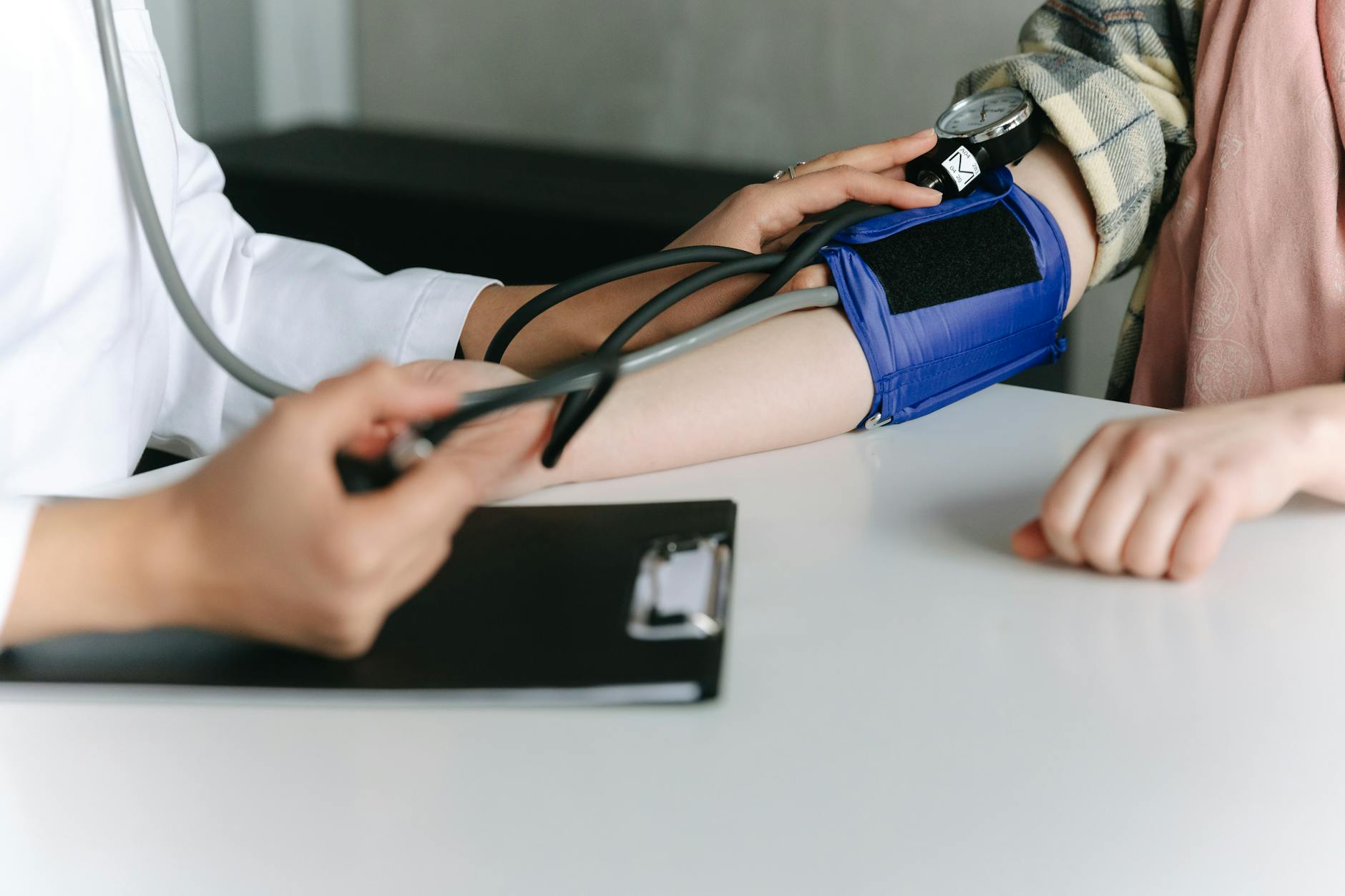
I usually hear the panic before I even look at the chart. A patient sits on the edge of the exam table, clutching a printed list of forbidden foods, convinced their life is over because their systolic hit 150.
1. The hidden salt in your bread
Most articles will tell you to put down the salt shaker. That framing misses the point. The shaker does almost nothing compared to what sits quietly in a standard bakery loaf. I had a guy come in last week swearing he ate perfectly clean. His blood pressure was 160 over 90. He was eating six slices of whole wheat bread a day. That is nearly a thousand milligrams of sodium right there.
2. Bananas aren’t the only potassium fix
General practitioners often tell you to eat a banana a day to fix your potassium. It happens constantly. Then these patients land in my cardiology clinic, frustrated. “I’ve been choking down bananas every morning and my numbers haven’t budged,” one woman told me yesterday. She hated bananas. You need about 4,700 milligrams of potassium daily to help your kidneys flush sodium into your urine. One banana gives you 400. You would have to eat twelve of them. Instead, we need to look at potatoes, spinach, and beans. The DASH diet actually focuses heavily on these broader plant profiles, dropping top numbers by over 11 points in some cases. When you eat a baked potato with the skin on, you get nearly double the potassium of a banana. And nobody tells you this. They just hand you a generic flyer. The way a textbook describes potassium deficiency makes it sound like muscle cramps and weakness. In the exam room, it looks like stubborn, unyielding blood pressure in someone who is otherwise doing everything right. They just lack the raw mineral currency to buy down their sodium load.
3. The dairy debate is mostly settled
Does switching to skim milk actually do anything for your vessels? Yes, it absolutely does. Saturated fats make blood vessels stiff over time, and a stiff pipe requires higher pressure to push liquid through it. We used to think all dairy was a problem for vascular health. Now we know low-fat yogurt and milk actually provide a highly bioavailable form of calcium that helps blood vessels relax. It helps smooth muscle cells in the artery walls maintain their elasticity. I always check vitamin D levels when we discuss dairy, because without it, that calcium passes right through you.
4. Alcohol stiffens the pipes
You can usually see heavy alcohol use in a patient’s face before the blood pressure cuff even inflates. There is a distinct ruddy, slightly puffy quality to the cheeks. They will sit there and tell me they only have a glass of wine with dinner. Then the cuff reads 155 over 95. Alcohol acts as a direct sympathetic nervous system stimulant. It tells your body to clamp down on the vessels. Even if you follow a perfect DASH eating plan to lower your numbers, two drinks a night will completely erase the benefit. Your vessels simply cannot relax when they are constantly bathed in a stimulant.
5. Beets change the chemistry
Beet juice contains dietary nitrates that your body converts into nitric oxide. This gas expands your blood vessels. It acts almost exactly like the nitroglycerin pills we give people for chest pain, just much milder.
I drink a glass of it myself before long clinic days.
It works fast, usually dropping the top number by a few points within hours.
6. Sugar is worse than salt
We spent thirty years telling people to avoid salt. But fructose might actually be the bigger villain here. High sugar intake spikes insulin. When insulin stays chronically elevated, it tells the kidneys to hold onto sodium. (The kidneys are remarkably obedient organs, for better or worse). It also drives up uric acid levels, which directly inhibits nitric oxide production in your blood vessels. So you get tighter pipes and more fluid stuffed inside them. Cutting out soda often does more for my patients than throwing away the salt shaker.
7. The mystery of celery seed
People have used celery extract for centuries to treat fluid retention. We know it contains a compound called 3-n-butylphthalide. We do not fully understand exactly how this compound interacts with calcium channels in the heart yet. It seems to relax the smooth muscle tissue around arteries. I have patients who swear by it, chewing the seeds raw. I never prescribe it as a standalone treatment, but I don’t stop them from doing it either. The clinical results are sometimes too obvious to ignore.
8. Weight loss changes the physical geometry
You do not need to hit your high school weight to fix your blood pressure. “I just can’t lose fifty pounds, doctor,” a tired truck driver told me last month, staring at the floor. He was completely defeated by the math of it all. I told him to forget fifty. I told him to lose five. When you carry extra visceral fat around your abdomen, it physically compresses your kidneys. This compression forces the kidneys to activate the renin-angiotensin system, which aggressively dials up your blood pressure. Losing just five to ten pounds removes a fraction of that physical pressure. The kidneys can breathe again. They stop releasing panic signals. We see this play out constantly with plant-based dietary changes, where even modest weight management drops the physical resistance in the vessels. It is not just about eating greens. It is about fundamentally altering the mechanical stress on your organs. You lose five pounds, and the entire system recalibrates. You lose ten, and we are often talking about stepping down your medication dosages. The textbook presentation focuses entirely on body mass index calculations. In reality, it is purely about relieving the physical siege your kidneys are under.
9. Caffeine hides in plain sight
A cup of coffee spikes your blood pressure temporarily. That is normal. But chronic energy drink consumption keeps you in a state of perpetual vascular tension. I see young guys coming in with numbers suited for an eighty-year-old. They drink three energy drinks a shift. The caffeine blocks a hormone that normally keeps your arteries widened. Add the taurine and massive sugar loads, and the heart has to pump against a wall of resistance all day long. Stop the energy drinks, and the numbers usually normalize in a week.
10. You cannot out-eat high stress
Diet is only half the equation. You can eat steamed broccoli and unseasoned chicken breast until you are miserable. If you are sleeping four hours a night and hate your job, your sympathetic nervous system will keep your vessels clamped shut. Cortisol retains sodium. Adrenaline constricts arteries. We spend so much time arguing about macronutrients that we ignore the fact that chronic stress physically alters your vascular architecture. I have seen perfect diets fail because the patient was drowning in debt or going through a divorce.
Medical Disclaimer: This article is for informational purposes only and does not constitute professional medical advice. Always consult a qualified healthcare professional before making changes to your health routine.




