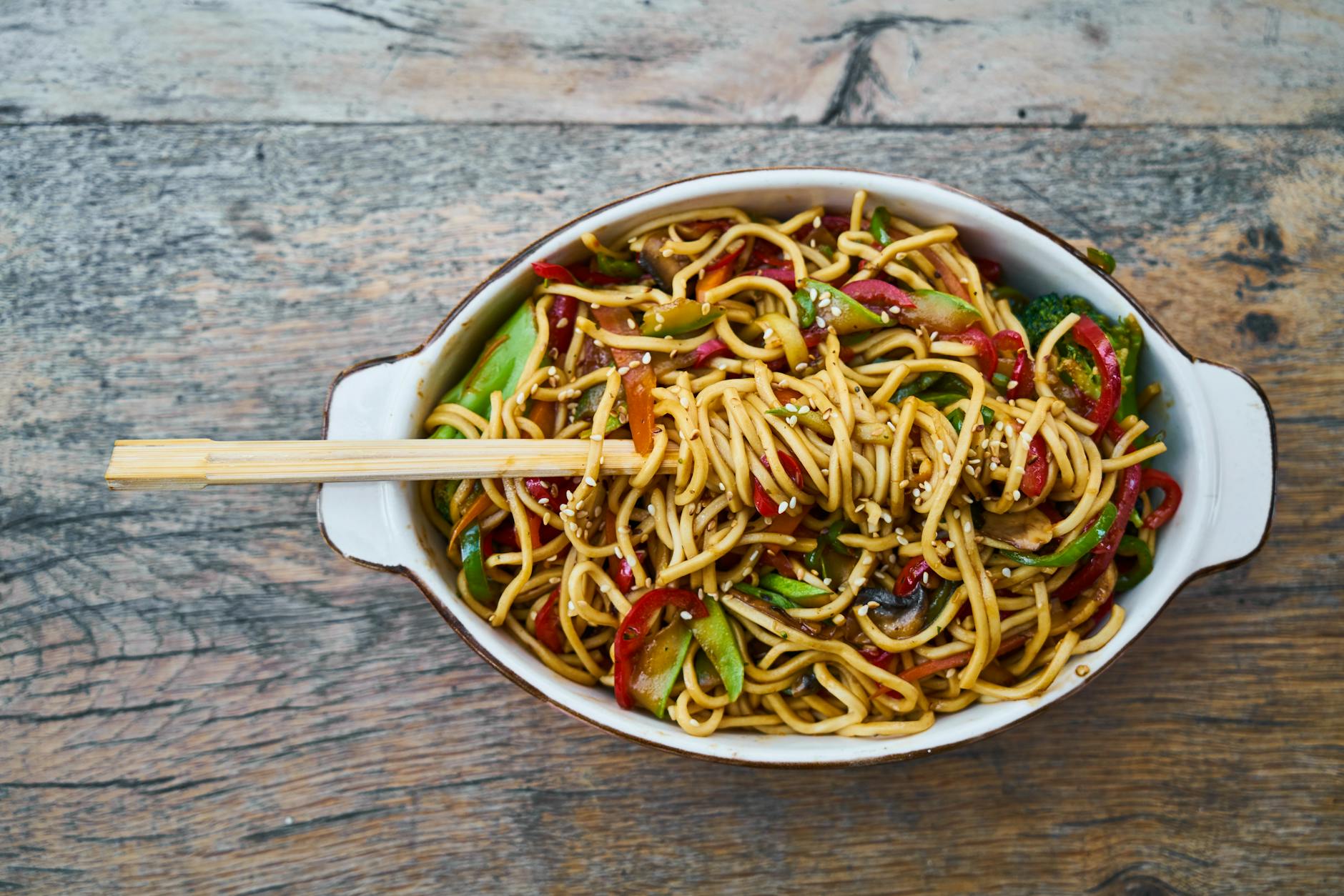
A woman sat on my exam table yesterday, staring at her blood work, and asked why her low-carb diet left her prediabetic. We strip away the very molecules our cellular engines require because a wellness influencer equated bread to poison.
1. The Sludge of Beta-Glucan
Most articles will tell you oats are good for your heart. That framing misses the point. It isn’t about goodness. When beta-glucan hits water in your gut, it forms a viscous gel that physically traps bile acids. Your liver is then forced to pull cholesterol from your blood to make more bile. Eat them steel-cut.
2. Legumes and the Forgotten Ferment
“I just feel heavy all the time, like my blood is made of syrup.” That’s exactly how a 45-year-old teacher described her fatigue to me last month. General practitioners often run a basic thyroid panel and tell you to sleep more. They miss the early insulin resistance brewing in the background. What I saw looking at her neck was acanthosis nigricans, that subtle velvety darkening of the skin, before the lab tech even drew her A1c. Beans fix this mechanism directly. The resistant starch in lentils and black beans escapes digestion in your small intestine entirely. It arrives intact to the colon. There, your microbiome feasts on it and excretes butyrate, a short-chain fatty acid. Butyrate travels back to your liver and shuts down the pathways that cause systemic inflammation. Reynolds and colleagues detailed this in The Lancet in 2020, proving fiber dictates metabolic destiny far more than total calorie count. You don’t need to eat beans out of a can every day. You could incorporate roasted chickpeas or a cold lentil salad into your afternoon routine. But you absolutely must understand that avoiding legumes because they contain carbohydrates is effectively starving your gut bacteria of the exact fuel they require to keep your immune system from attacking your own tissues.
3. The Orange Tuber’s Slower Burn
Textbook descriptions of sweet potatoes focus on beta-carotene. In the exam room, I care about their cell wall structure. Boiling a sweet potato leaves its fibrous matrix intact, which forces your digestive enzymes to work harder to access the starches inside. This delays glucose absorption. Baking them, conversely, gelatinizes that starch into pure maltose. You get a rapid sugar spike. A low glycemic index diet relies heavily on how a carbohydrate is prepared. Barclay et al. established in the American Journal of Clinical Nutrition in 2008 that preparing whole grains and tubers correctly prevents the chronic hyperinsulinemia driving modern obesity. Eat the skin. It acts as a physical barrier in your stomach.
4. The Complete Amino Illusion
People buy bags of quinoa thinking it will magically build muscle. It won’t. Yes, it contains all nine indispensable amino acids. But the actual protein density is quite low compared to a piece of fish. What quinoa actually delivers is a dense network of complex carbohydrates wrapped in a rigid outer shell called saponin. You have to wash that off or it tastes like soap. (A surprising number of people do not realize this.) Once rinsed and cooked, those fibrous seeds provide a slow, steady drip of glucose into the bloodstream. This prevents the mid-afternoon crash that sends you hunting for a sugary coffee.
5. Pigments as Metabolic Shields
Why do berries get a pass from the anti-carb crowds? Anthocyanins. Those dark red and blue pigments are fierce antioxidants. They interfere with digestive enzymes, naturally slowing down how fast the accompanying sugars enter your system. You get the sweetness without the corresponding insulin panic. Blueberries are fine, though blackberries pack more fiber per bite.
6. The Grain Nobody Bothers to Cook
We almost never talk about barley anymore. It sits on the bottom shelf of the grocery store gathering dust. Yet, it possesses the lowest glycemic index of any common grain. When I look at a dietary log, I can almost always spot the exact moment a patient switched from white rice to hulled barley. Their postprandial glucose curves flatten out beautifully. “I don’t get the shakes at 3 PM anymore.” That simple sentence from a construction worker last Tuesday tells me more than a continuous glucose monitor ever could. He was experiencing reactive hypoglycemia from refined wheat. Barley stops that cold. It contains a massive amount of insoluble fiber that acts like a broom sweeping through the intestines. The National Academies’ 2023 dietary update outlines the necessity of 200 to 300 grams of daily carbohydrates, provided they come with at least 30 grams of fiber. Barley gets you there faster than almost anything else. Cooking it takes forty-five minutes. Most people lack the patience for that. They want a microwave pouch that steams in ninety seconds. If you can accept the long simmer time, your endothelial cells will thank you by maintaining better vascular elasticity long into your sixties.
7. Pectin and the Fasting Illusion
You will hear endless debates about fruit sugar. Fructose processed in a factory is disastrous for your liver. Fructose locked inside the cellular matrix of a crisp apple behaves entirely differently. The pectin binds with water, slowing gastric emptying. You feel full.
This is why drinking apple juice is metabolically identical to drinking soda.
Whole apples force mechanical chewing. That chewing sends early satiety signals to your hypothalamus before the food even reaches your stomach. Eat the apple whole, core and all if you want, and ignore the noise about fruit making you fat.
8. The Arsenic Conversation
Patients read a terrifying headline and suddenly throw out everything in their pantry. Arsenic in rice is real. The rice plant acts like a sponge, pulling heavy metals from the soil and water. But completely abandoning complex starches because of this is an overcorrection. You mitigate the risk by boiling rice like pasta. Use a six-to-one water ratio and drain the excess. This pulls the majority of the arsenic out while leaving the dense, energy-yielding endosperm intact. Burke’s 2018 review in Nutrients demonstrated that sustaining physical exertion requires these exact types of dense starches. Your muscles run on glycogen. You simply have to cook it properly.
9. The Density Deception
A cup of butternut squash looks heavy. It feels dense on the fork. Yet it is mostly water and soluble fiber, delivering a fraction of the carbohydrate load found in pasta. We still do not fully understand the exact mechanism by which these plant fibers modulate the gut-brain axis so effectively. But they do. Patients report feeling deeply satiated after eating roasted squash, far out of proportion to the caloric intake. Cut it into thick cubes. Roast it until the edges caramelize slightly.
10. The Bacterial Predigestion
Bread is not inherently toxic. The commercial manufacturing process that strips the bran, bleaches the flour, and proofs the dough in twenty minutes is what ruins it. True sourdough relies on a wild yeast starter. Those bacteria spend hours fermenting the dough, breaking down the complex starches and degrading the gluten matrix long before you bake it. They do the heavy digestive lifting so your pancreas doesn’t have to. A slice of fermented rye sourdough doesn’t trigger the same immune cascade as a cheap hot dog bun. You’re eating the byproduct of microbial respiration.
Your cells demand glucose to function, and starving them of structural plant fibers guarantees metabolic dysfunction. Eat the fibrous foods your grandmother recognized, and stop letting internet gurus dictate your cellular biology.
Medical Disclaimer: This article is for informational purposes only and does not constitute professional medical advice. Always consult a qualified healthcare professional before making changes to your health routine.




