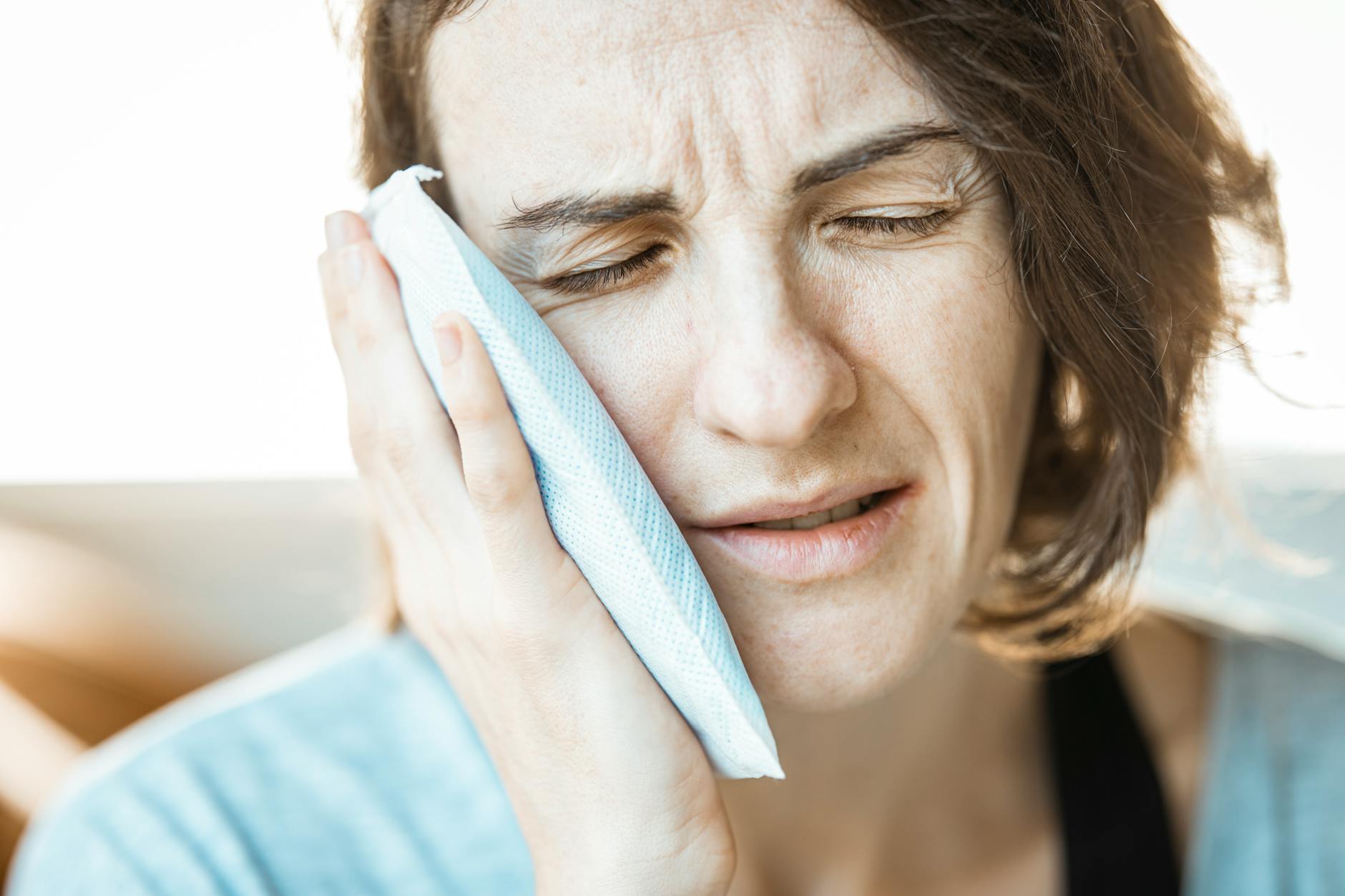
Ear pain affects millions of people every year, from young children battling ear infections to adults dealing with sinus pressure or swimmer’s ear. The sharp, throbbing discomfort can disrupt sleep, make it hard to concentrate, and leave you desperate for relief. Fortunately, several evidence-backed approaches can help ease the ache while you work with your healthcare provider on a long-term solution.
1. Warm Compress
A warm compress is one of the simplest and most accessible forms of ear pain relief. Placing a warm, damp washcloth against the affected ear helps increase blood flow to the area. This improved circulation may reduce inflammation and ease muscle tension around the ear canal. The gentle heat also interrupts pain signals, offering a soothing distraction from discomfort. Try holding the compress against your ear for 15 to 20 minutes at a time. You can reheat the cloth as needed. This method works well for both children and adults and pairs nicely with other remedies on this list.
2. Over-the-Counter Pain Relievers
Nonsteroidal anti-inflammatory drugs like ibuprofen and acetaminophen remain go-to options for managing ear pain. These medications reduce inflammation and block pain pathways in the body. Ibuprofen, in particular, tackles both swelling and discomfort simultaneously. For children, pediatricians often recommend age-appropriate doses of these medications as a first line of defense. Always follow the dosage instructions on the label carefully. Avoid giving aspirin to children due to the risk of Reye’s syndrome. If pain persists beyond two or three days despite medication, schedule an appointment with your doctor for further evaluation.
3. Naturopathic Herbal Ear Drops
Herbal ear drops have gained attention as a gentle alternative for earache management. These drops typically contain plant extracts like garlic, mullein, calendula, and lavender in an olive oil base. Research suggests they can be quite effective — one study found that naturopathic herbal ear drops provided better ear pain relief than ear drops combined with amoxicillin in children with acute otitis media. Another study showed that naturopathic ear drops were as effective as anesthetic ear drops for managing ear pain in children. Warm the bottle gently between your palms before applying a few drops to the affected ear for the best comfort.
4. Topical Lidocaine Ear Drops
When ear pain strikes hard and fast, topical anesthetic drops can offer rapid relief. Clinical evidence shows that topical 2% lidocaine ear drops can reduce ear pain by 50% within 10 to 30 minutes in children with acute otitis media compared to saline drops. Lidocaine works by temporarily numbing the nerve endings in the ear canal. These drops are typically available by prescription, so speak with your doctor about whether they are appropriate. They should only be used when the eardrum is intact and not perforated. This option is especially helpful for bridging the gap while waiting for antibiotics or other treatments to take effect.
5. Elevating Your Head While Sleeping
Gravity can be a surprisingly helpful tool when dealing with ear pain. Sleeping with your head elevated encourages fluid to drain away from the middle ear. This is particularly useful for pain caused by ear infections or eustachian tube dysfunction. Simply propping yourself up with an extra pillow or two can make a noticeable difference overnight. For young children, placing a pillow under the mattress rather than directly under their head is a safer approach. This position reduces pressure buildup behind the eardrum. Many people notice they wake up with less pain and congestion after sleeping at a gentle incline.
6. Jaw Exercises and TMJ Stretches
Not all ear pain originates inside the ear itself. Temporomandibular joint disorders, commonly known as TMJ issues, frequently cause referred pain that feels like a deep earache. Gentle jaw stretches can help relieve this type of discomfort. Try slowly opening your mouth as wide as comfortable, then moving your jaw side to side. Massaging the muscles just in front of your ears with your fingertips may also ease tension. Stress-related jaw clenching is a common trigger, so relaxation techniques can help too. If you suspect TMJ is behind your ear pain, a dentist or specialist can provide a more targeted treatment plan.
7. Acupuncture and Ear Acupressure
Acupuncture has a long history as a pain management tool, and modern research is beginning to back up its use for ear-related discomfort. Studies indicate that ear acupuncture is superior to comparators for reducing pain intensity and analgesic requirements within 48 hours, with only minor transient side effects reported. Acupressure — applying firm pressure to specific points without needles — is a gentler alternative you can try at home. The point just in front of the ear tragus is often targeted for earache relief. While acupuncture should be performed by a licensed practitioner, acupressure is generally considered safe for self-care.
8. Steam Inhalation
Congestion from colds, allergies, or sinus infections often contributes to ear pressure and pain. Steam inhalation helps thin mucus and open up blocked eustachian tubes. Fill a bowl with hot water, drape a towel over your head, and breathe in the steam for 10 to 15 minutes. Adding a few drops of eucalyptus or peppermint essential oil may enhance the decongestant effect. Be cautious with the water temperature to avoid burns, especially with children. A hot shower can serve as a simpler alternative when you need quick relief. Many people find that regular steam sessions during a cold significantly reduce recurring ear pressure.
9. Olive Oil Drops
Warm olive oil has been used as a folk remedy for ear pain for generations. While scientific studies on its effectiveness are limited, many healthcare providers consider it a safe option for mild discomfort. A few drops of slightly warmed olive oil can help soften earwax that may be pressing against the eardrum. The gentle warmth also provides a soothing sensation similar to a warm compress. Make sure the oil is lukewarm, not hot, before placing it in the ear canal. Tilt your head to the side and let the oil sit for a few minutes before draining. Avoid this method if you suspect a ruptured eardrum or have ear drainage.
10. Staying Hydrated and Swallowing Frequently
Drinking plenty of fluids throughout the day supports ear pain relief in a surprisingly direct way. Frequent swallowing activates the muscles that open the eustachian tubes. This helps equalize pressure in the middle ear and promotes drainage. Chewing gum or sucking on hard candy can achieve a similar effect. For infants and toddlers, encouraging more frequent breastfeeding or bottle feeding serves the same purpose. Dehydration can also thicken mucus, making congestion worse and increasing ear pressure. Keeping a water bottle nearby and sipping consistently is one of the easiest preventive steps you can take during an earache.
Ear pain has many possible causes, and the right approach to relief depends on what is driving your discomfort. Trying a combination of these methods — such as a warm compress alongside proper hydration and herbal drops — may provide the most noticeable improvement. If your ear pain is severe, lasts more than a couple of days, or comes with fever or hearing loss, reach out to your healthcare provider promptly for a thorough evaluation.
Medical Disclaimer: This article is for informational purposes only and does not constitute medical advice. Always consult a qualified healthcare professional before making health decisions.




