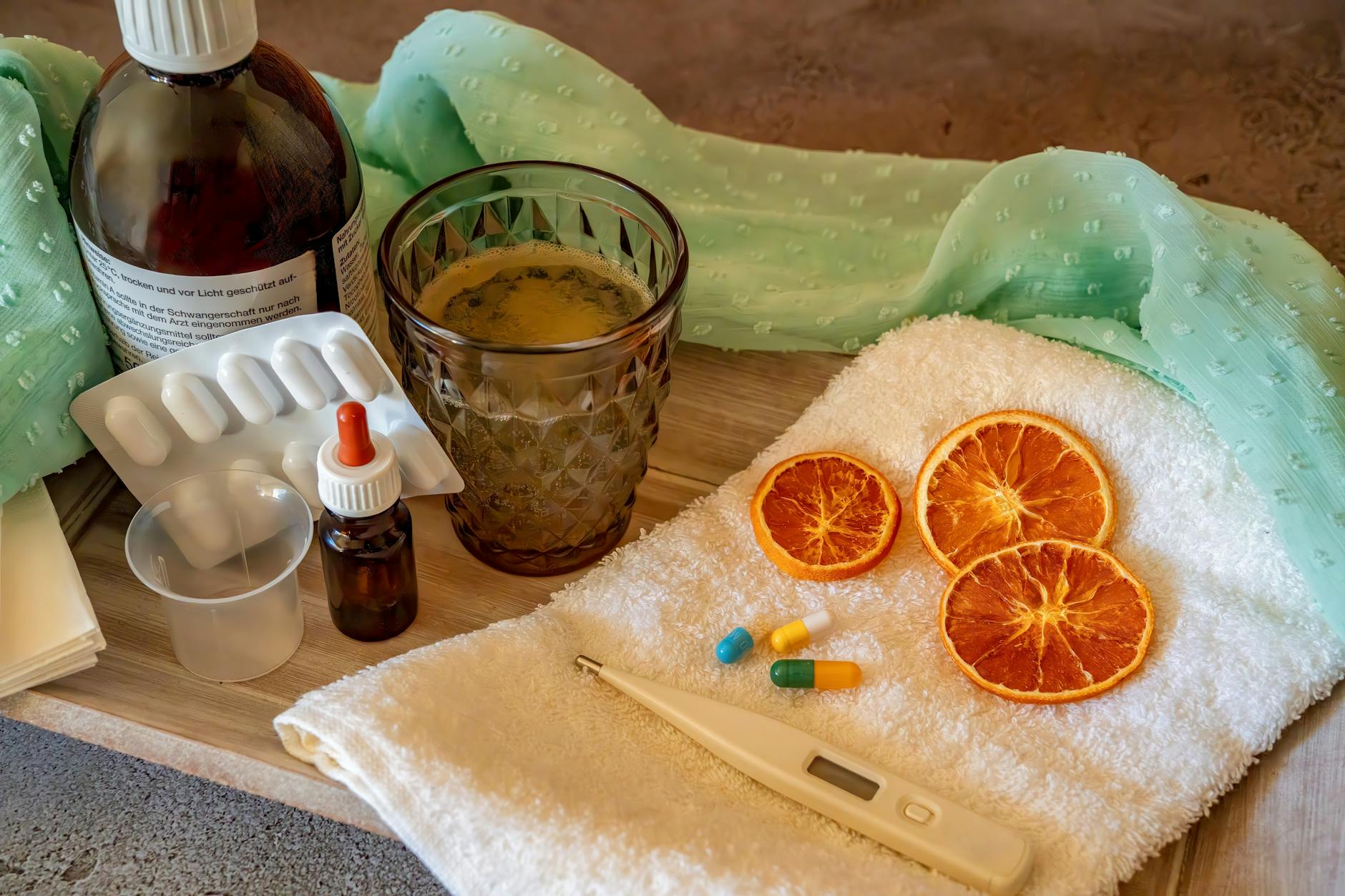
Sore throats are one of the most common reasons people visit a doctor, affecting millions of adults and children every year. Whether yours is triggered by a viral infection, dry air, or seasonal allergies, the scratchy, burning pain can make eating, drinking, and even talking miserable. The good news is that several sore throat remedies — both over-the-counter and at home — are backed by solid research.
1. Ibuprofen
When a sore throat strikes, reaching for ibuprofen is one of the most effective first steps you can take. As a nonsteroidal anti-inflammatory drug, ibuprofen tackles both the pain and the underlying inflammation in your throat tissues. A PMC/NIH clinical guideline found that ibuprofen and diclofenac are more effective than paracetamol for sore throat relief. It works relatively quickly, often easing discomfort within 30 to 60 minutes. For most adults, a standard dose taken with food every six to eight hours provides reliable relief. Always follow the dosing instructions on the label and avoid it if you have stomach sensitivities or kidney concerns.
2. Saltwater Gargle
This old-fashioned remedy has genuine science behind it. Gargling with warm saltwater helps draw excess fluid out of swollen throat tissues through osmosis. This temporarily reduces inflammation and loosens mucus that may be irritating the area. The technique is simple and essentially free. Dissolve about half a teaspoon of table salt in eight ounces of warm water and gargle for 15 to 30 seconds. Repeating this three to four times daily can offer noticeable comfort, especially in the early stages of a sore throat.
3. Honey
Honey has been used as a throat soother for centuries, and modern research suggests it deserves the reputation. Its thick, viscous texture coats irritated throat membranes, creating a temporary protective barrier. Studies indicate honey also possesses natural antimicrobial and anti-inflammatory properties. Stirring a tablespoon into warm tea or simply swallowing it straight can calm a raw, scratchy throat. Keep in mind that honey should never be given to children under one year old due to the risk of botulism. For everyone else, it remains one of the tastiest and most accessible sore throat remedies available.
4. Acetaminophen (Paracetamol)
If you cannot take ibuprofen, acetaminophen is a reliable alternative for throat pain. A NIH/NCBI systematic review found that non-antibiotic treatments like paracetamol show measurable efficacy for sore throat symptoms. While it does not reduce inflammation the way NSAIDs do, it effectively blocks pain signals in the brain. It is gentle on the stomach, making it a good choice for people with gastrointestinal issues. Stick to recommended doses and avoid combining it with other medications that also contain acetaminophen to protect your liver.
5. Warm Fluids and Broth
Staying hydrated is critical when your throat is inflamed. Warm fluids like herbal tea, clear broth, and warm water with lemon help keep throat membranes moist and soothe irritation. The warmth may also improve blood circulation to the area, supporting your body’s natural healing process. Dehydration can make throat pain feel significantly worse. Aim to sip warm liquids consistently throughout the day rather than gulping large amounts at once. Chicken broth adds the bonus of mild electrolytes and nutrients that support recovery when you do not feel like eating solid food.
6. Throat Lozenges and Sprays
Medicated lozenges and throat sprays deliver active ingredients directly where you need them most. Many contain menthol, benzocaine, or flurbiprofen, which numb the throat or reduce local inflammation. Research supports the effectiveness of topical anti-inflammatory agents like flurbiprofen for targeted pain relief. Lozenges also stimulate saliva production, which keeps the throat lubricated and washes away irritants. Choose sugar-free options if possible, and follow the package directions on how many you can use per day. These products are especially handy when you need relief on the go and cannot prepare a warm drink.
7. Humidifier Use
Dry indoor air is an often overlooked aggravator of sore throats. A cool-mist humidifier adds moisture back into your environment and helps prevent your throat from drying out overnight. This is particularly useful during winter when heating systems strip humidity from indoor air. Keeping your bedroom humidity between 40 and 60 percent can make a noticeable difference in morning throat comfort. Clean your humidifier regularly to prevent mold and bacteria buildup. Placing it near your bed ensures you breathe in moist air throughout the night when you are most vulnerable to dryness.
8. Rest and Voice Conservation
Your body heals faster when you give it a break, and your throat is no exception. Talking, whispering, and clearing your throat repeatedly all strain already inflamed vocal cords and tissues. Clinical evidence shows that most sore throats caused by viruses resolve on their own within five to seven days when the body is given adequate rest. Reducing how much you speak gives your throat the space it needs to recover. If your job requires heavy voice use, consider taking a day off or communicating through written messages when possible. Pair vocal rest with sleep for the best results.
9. Corticosteroids (Under Medical Guidance)
For severe sore throats, a short course of corticosteroids may be worth discussing with your doctor. A PubMed meta-analysis found that corticosteroids significantly reduce pain intensity at 24 hours in adults with acute sore throats, with minimal adverse effects. These medications work by powerfully suppressing the inflammatory response in throat tissues. They are not typically a first-line home remedy, but they can be a game-changer for people whose pain is severe enough to interfere with swallowing or sleeping. Your doctor can determine whether a single dose or a brief prescription is appropriate for your situation.
10. Peppermint Tea
Peppermint contains menthol, a natural compound that creates a cooling sensation and may help thin mucus in the throat. Drinking peppermint tea combines the benefits of warm fluids with the soothing properties of menthol. Research suggests menthol acts as a mild analgesic and decongestant. The aroma alone can help open nasal passages, which reduces mouth breathing that dries out the throat. Steep a peppermint tea bag for five to seven minutes to maximize the release of beneficial compounds. Avoid adding excessive sugar, which can increase throat irritation in some people.
11. Cold Foods and Ice Chips
While warm remedies get most of the attention, cold can be equally effective for throat pain. Sucking on ice chips or eating frozen fruit bars temporarily numbs inflamed tissues and reduces swelling. This approach works on the same principle as icing a sprained ankle. Cold foods are especially helpful for children who may resist gargling or taking lozenges. Smooth, soft options like frozen yogurt or chilled applesauce are gentle enough not to scratch a raw throat. Alternate between warm and cold remedies throughout the day to find what gives your throat the most relief.
12. Knowing When to Skip Antibiotics
Many people assume antibiotics are the answer for every sore throat, but the majority are caused by viruses that antibiotics cannot treat. A PubMed Cochrane review of 29 trials showed that antibiotics reduce sore throat symptoms modestly at day three, but much of that benefit disappears by one week as cases resolve naturally. Unnecessary antibiotic use contributes to resistance, a growing global health concern. If your sore throat lasts longer than a week, comes with a high fever, or involves swollen glands, see a doctor to rule out bacterial infection. Otherwise, the remedies above are your best bet for a comfortable recovery.
Most sore throats improve within a week using a combination of anti-inflammatory medications, soothing fluids, and simple at-home care. Start with the options that fit your symptoms and lifestyle, and do not hesitate to see a healthcare provider if your pain worsens or does not improve after seven days.
Medical Disclaimer: This article is for informational purposes only and does not constitute medical advice. Always consult a qualified healthcare professional before making health decisions.




