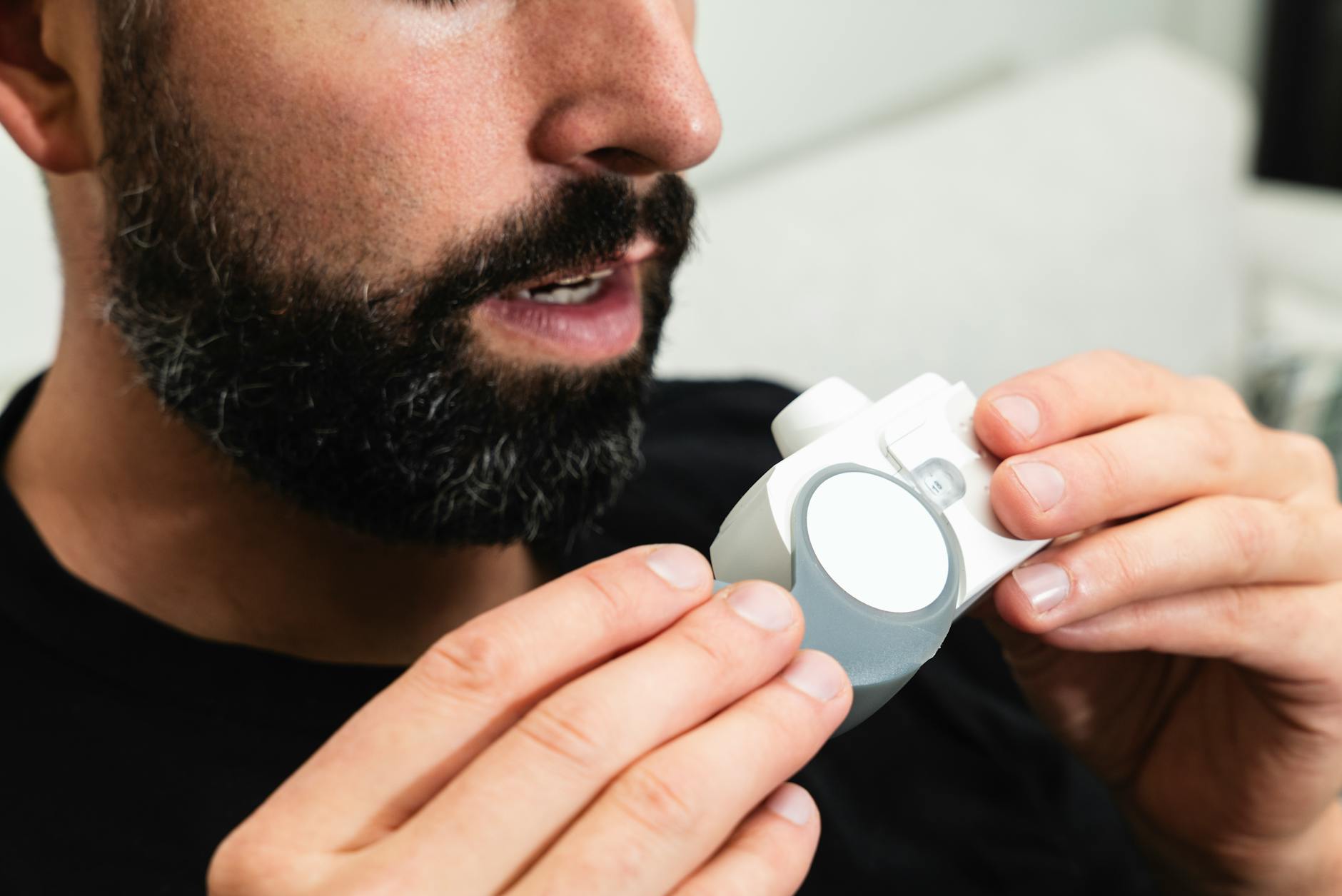
Almost everyone experiences hiccups at some point, and they usually disappear within minutes. But when those involuntary diaphragm spasms stick around, they can become surprisingly disruptive to eating, sleeping, and everyday conversations. These ten techniques range from simple breathing tricks to expert-recommended strategies that may help you find relief.
1. Hold Your Breath for 10 to 20 Seconds
Breath-holding is one of the oldest and most widely recommended hiccup remedies. The idea is simple: by pausing your breathing, you allow carbon dioxide to build up in your bloodstream. This rise in CO2 may relax the diaphragm and interrupt the spasm cycle. According to the Mayo Clinic, home remedies like breath-holding remain popular options, even though scientific proof is limited. Take a deep breath, hold it gently, and release slowly. Repeat once or twice if the hiccups persist. Most people find that this technique works best when done calmly rather than straining.
2. Sip Ice-Cold Water Slowly
Drinking very cold water may help stimulate the vagus nerve, which plays a key role in the hiccup reflex. The sudden temperature change can essentially “shock” the nerve into resetting. Try taking small, steady sips rather than gulping. Some people find it even more effective to drink from the far side of the glass while bending forward. This awkward position adds gentle pressure on the diaphragm. Keep a glass of cold water nearby the next time hiccups strike.
3. Swallow a Teaspoon of Granulated Sugar
This classic folk remedy has a surprisingly logical explanation behind it. The coarse texture of dry sugar on the back of the tongue may stimulate the pharynx and override the hiccup reflex. A small study published decades ago suggested this method helped a majority of participants, though more research is needed. Place one level teaspoon of granulated sugar on the back of your tongue and let it dissolve slowly. Avoid washing it down with water immediately. This method is simple, safe for most adults, and worth trying before reaching for anything stronger.
4. Try the Valsalva Maneuver
The Valsalva maneuver involves bearing down as if you are straining during a bowel movement while keeping your mouth closed. This action increases pressure in the chest and stimulates the vagus nerve. Research published in PubMed identifies vagal maneuvers as a recommended approach for transient hiccups. Hold the strain for about 10 to 15 seconds, then release. People with heart conditions should skip this technique and consult their doctor. For most healthy adults, though, it is a safe and effective option to try at home.
5. Breathe Into a Paper Bag
Breathing slowly into a paper bag raises carbon dioxide levels in your blood, similar to breath-holding. The increased CO2 may encourage the diaphragm to relax and stop spasming. Place a small paper bag loosely over your nose and mouth. Take slow, gentle breaths for about 30 seconds. Never use a plastic bag, as it creates a suffocation risk. Stop immediately if you feel lightheaded or dizzy. This method works best as a short-term reset for your breathing pattern.
6. Pull Your Knees to Your Chest
Bringing your knees toward your chest compresses the diaphragm and changes the pressure dynamics inside your abdomen. This gentle physical maneuver can interrupt the involuntary muscle contractions that cause hiccups. Sit down comfortably and slowly draw both knees up. Hold the position for one to two minutes while breathing normally. Some people find it helpful to lean forward slightly at the same time. This technique is easy to do almost anywhere and requires no equipment whatsoever.
7. Stimulate the Back of Your Throat
Nasopharyngeal stimulation is a clinical term for gently irritating the back of the throat or nasal passages. You can do this by gargling with cold water, lightly touching the uvula with a cotton swab, or even gently pulling on your tongue. These actions stimulate the vagus and phrenic nerves, which control the diaphragm. The technique sounds unusual, but healthcare providers have used variations of it for decades. Start gently and stop if you feel any discomfort. A simple gargle is the easiest entry point for most people.
8. Apply Gentle Pressure to the Diaphragm
Applying light pressure to the area just below your sternum can sometimes calm a spasming diaphragm. Lean forward over a table edge or gently press your fingertips into the soft spot below your ribcage. The goal is not to cause pain but to create steady, mild compression. Some physical therapists recommend combining this pressure with slow, deep breathing. Hold the position for about 30 seconds and release. This approach targets the problem directly by physically interrupting the muscle contraction driving the hiccups.
9. Consider Acupuncture for Persistent Hiccups
When hiccups last longer than 48 hours, they are classified as persistent, and standard home remedies may not be enough. Research suggests that acupuncture could offer relief for stubborn cases. A systematic review published in PubMed found that acupuncture showed potential in unblinded trials, though high-quality evidence remains limited. Acupuncture targets specific nerve pathways that influence the diaphragm and vagus nerve. If your hiccups refuse to quit after two days, talk to your doctor about whether acupuncture might be an appropriate option. Always seek out a licensed, experienced practitioner.
10. Talk to Your Doctor About Medication
Hiccups lasting more than 48 hours deserve medical attention. According to Harvard Health, chlorpromazine is the only FDA-approved drug specifically for hiccups, while baclofen and gabapentin have shown promise in smaller studies. Your doctor can evaluate underlying causes like gastroesophageal reflux, nerve irritation, or central nervous system conditions. Persistent hiccups are sometimes a symptom of a larger health issue. Never self-medicate with prescription drugs for hiccups. A healthcare provider can determine the safest, most effective treatment plan tailored to your situation.
Most hiccups resolve on their own, but having a toolkit of proven techniques gives you options when they overstay their welcome. Start with simple methods like breath-holding or cold water, and if hiccups persist beyond 48 hours, reach out to a healthcare professional for guidance.
Medical Disclaimer: This article is for informational purposes only and does not constitute medical advice. Always consult a qualified healthcare professional before making health decisions.




