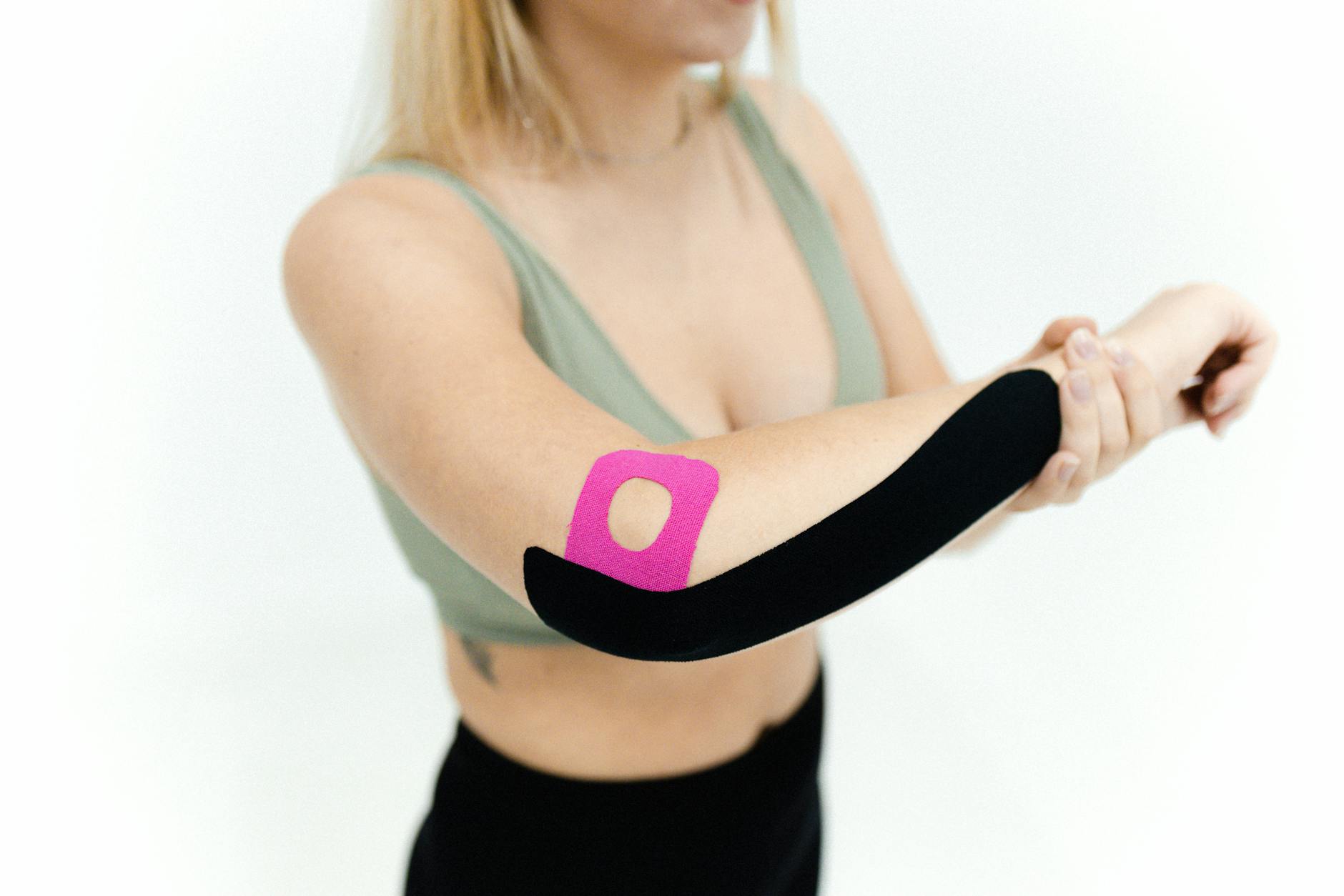
Lateral epicondylitis, commonly known as tennis elbow, affects up to 3% of the general population each year — and most of those people have never picked up a racket. Repetitive gripping, typing, and manual labor can all trigger the painful tendon degeneration on the outer elbow that makes everyday tasks feel excruciating. Whether your symptoms are brand new or stubbornly persistent, these 10 evidence-based approaches may help you find meaningful relief.
1. Eccentric Strengthening Exercises
Eccentric exercises involve slowly lowering a weight while your wrist extends. This controlled loading stimulates tendon remodeling at the cellular level. Research suggests eccentric training is one of the most effective conservative approaches for lateral epicondylitis. A PubMed systematic review of 19 studies found that eccentric strength training, paired with manual therapy, provided the greatest beneficial effects with favorable cost-benefit ratios. Most programs use a light dumbbell or resistance band for three sets of 15 repetitions daily. Consistency matters more than intensity here. Start with a pain-free range and gradually increase resistance over several weeks. A physical therapist can tailor the program to your specific pain level and functional goals.
2. Manual Therapy and Soft Tissue Mobilization
Hands-on techniques from a trained therapist can address tightness and dysfunction in the forearm muscles. Manual therapy may include deep friction massage, joint mobilizations, and myofascial release. These methods aim to improve blood flow and break up adhesions in the affected tendon. Clinical evidence shows that manual therapy works particularly well when combined with exercise-based rehabilitation. Many patients notice reduced pain and improved grip strength within a few sessions. Ask your physical therapist about incorporating soft tissue mobilization into your overall treatment plan for optimal results.
3. Platelet-Rich Plasma (PRP) Injections
PRP therapy uses a concentrated sample of your own blood platelets to promote healing. A small blood draw is processed in a centrifuge, and the platelet-rich portion is injected directly into the damaged tendon. According to a NIH/PMC analysis spanning 30 years of lateral epicondylitis literature, leukocyte-rich PRP provides longer-lasting symptomatic relief than corticosteroid injections. The treatment typically requires one to three sessions spaced weeks apart. Recovery involves a brief period of rest followed by progressive loading. PRP is especially worth discussing with your doctor if conservative measures have stalled your progress.
4. Counterforce Bracing
A counterforce brace is a simple strap worn just below the elbow. It works by redistributing force away from the inflamed tendon attachment point. Many people experience noticeable pain relief during gripping and lifting tasks while wearing one. Studies indicate that bracing is most effective as a complement to exercise-based therapy, not as a standalone fix. Look for a brace with an adjustable strap and a small pressure pad that sits over the forearm muscles. Wear it during aggravating activities but remove it at rest. This affordable tool can make daily life more manageable while your tendon heals.
5. Activity Modification and Ergonomic Adjustments
Sometimes the most powerful treatment is removing the trigger. Lateral epicondylitis often develops from repetitive wrist extension and gripping during work or hobbies. Identify which activities flare your pain, then modify how you perform them. Simple ergonomic changes can make a significant difference. Use a neutral wrist position when typing and switch to tools with larger, cushioned grips. Take frequent microbreaks during repetitive tasks to reduce tendon strain. These adjustments reduce cumulative load on the healing tendon and create a foundation for other treatments to work more effectively.
6. Ultrasound-Guided Diagnosis and Monitoring
Getting an accurate diagnosis is the first step toward effective treatment. Research supports the use of musculoskeletal ultrasound as an efficient and cost-effective imaging method for detecting degenerative tendon changes associated with lateral epicondylitis, as highlighted in a NIH/PMC review of pathogenesis and management strategies. Unlike MRI, ultrasound allows real-time visualization during movement. It can reveal tendon thickening, tears, and increased blood flow that signal active disease. Ultrasound also helps guide injection therapies with greater precision. Ask your clinician if diagnostic ultrasound is available to confirm your condition and track your healing over time.
7. Corticosteroid Injections for Short-Term Relief
Corticosteroid injections have long been a go-to option for acute tennis elbow pain. They deliver powerful anti-inflammatory medication directly to the affected area. Most patients feel significant relief within days of the injection. However, clinical evidence suggests the benefits tend to fade after six to twelve weeks. Some research indicates that repeated corticosteroid use may actually slow long-term tendon healing. For this reason, many clinicians now reserve steroid injections for severe flare-ups rather than routine care. If you receive one, use the pain-free window it provides to begin a structured exercise program.
8. Extracorporeal Shockwave Therapy (ESWT)
Shockwave therapy delivers focused acoustic energy to the painful tendon. This stimulates a biological repair response and may help reorganize damaged collagen fibers. Sessions typically last 10 to 15 minutes and are performed weekly over three to five visits. Research suggests ESWT can be effective for chronic lateral epicondylitis that hasn’t responded to other conservative treatments. The procedure can be uncomfortable during application, but anesthesia is generally unnecessary. Side effects are minimal and usually limited to temporary redness or soreness. Discuss ESWT with your orthopedic specialist if you have had symptoms for more than three months without improvement.
9. Stretching and Flexibility Work
Gentle wrist and forearm stretches help maintain range of motion and reduce muscle tension. A simple stretch involves extending your arm forward, palm down, and gently pulling the fingers back with the opposite hand. Hold for 20 to 30 seconds and repeat three to four times per session. Stretching before and after aggravating activities may reduce post-activity soreness. Flexibility work also prepares the tendon for progressive strengthening exercises. Avoid bouncing or forcing the stretch into sharp pain. Over time, consistent stretching can improve tissue extensibility and support your overall rehabilitation plan.
10. Arthroscopic Surgery for Refractory Cases
When six to twelve months of conservative treatment fails to provide relief, surgery becomes a consideration. Arthroscopic surgery for lateral epicondylitis involves removing damaged tendon tissue through small incisions. A NIH/PMC review of current treatment approaches notes that surgical intervention is generally reserved for truly refractory cases after exhausting options like PRP and rehabilitation. The procedure is typically outpatient with a recovery period of several weeks to months. Post-surgical rehabilitation is essential for restoring strength and function. Most patients who undergo surgery report meaningful improvement, but it remains a last resort after thorough conservative management.
Lateral epicondylitis can be frustrating, but the right combination of treatments often leads to significant improvement. Start with the least invasive options — activity modification, bracing, and a structured exercise program — and work with your healthcare provider to add therapies as needed. Taking a proactive, evidence-based approach gives your tendon the best chance to heal fully.
Medical Disclaimer: This article is for informational purposes only and does not constitute medical advice. Always consult a qualified healthcare professional before making health decisions.




